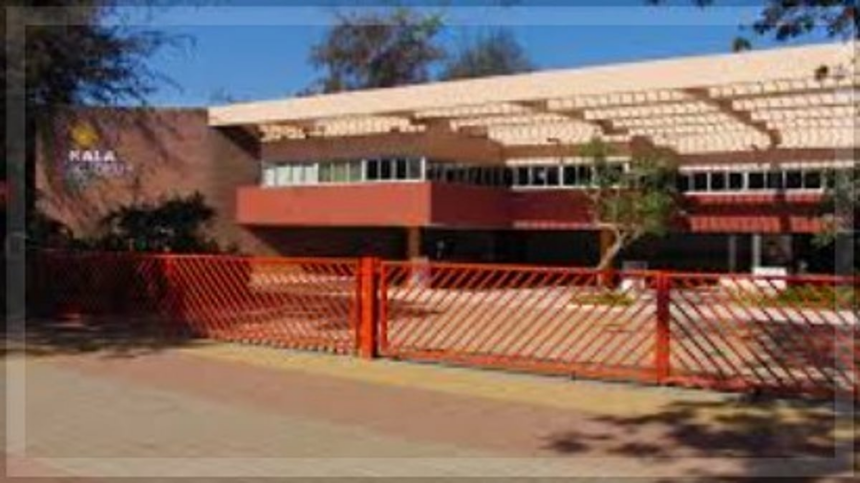
PANJIM: Barely years after a multi-crore renovation that was meant to restore Goa’s premier cultural landmark, the iconic Dinanath Mangeshkar Kala Mandir at Kala Academy will once again fall silent from August 1, with the auditorium set to remain shut indefinitely while authorities undertake corrective works to address structural deficiencies flagged in the refurbished building.
The closure will continue until repairs recommended by IIT Chennai are completed, underlining the continuing fallout of a renovation project that has been dogged by controversy over workmanship, safety and quality.

The State government-appointed IIT Chennai team is expected to submit its final structural stability report later this month. The report will identify defects, if any, and prescribe the methodology required to rectify them, following which the Public Works Department will prepare estimates and undertake repairs on an emergency basis.
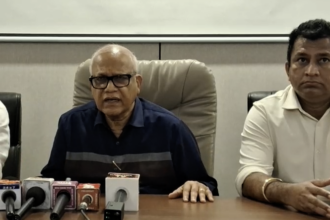
Speaking to reporters in the presence of Kala Academy Chairman Chandrakant ‘Babu’ Kavlekar, Member Secretary Shankar B. Gaonkar said the extent of the repairs would depend entirely on IIT Chennai’s findings.
“He said that the IIT Chennai engaged by the State government will submit its final report on what corrections need to be done.”
Gaonkar clarified that only the Dinanath Mangeshkar Kala Mandir auditorium will remain closed from August 1, while other Kala Academy facilities, including Indian classical and western music activities, administrative offices and the Black Box theatre, will continue functioning normally.
The decision follows months of scrutiny over the structural integrity of the recently renovated heritage complex. IIT Chennai had earlier carried out a walking inspection of the building, with structural engineering expert Dr (Prof) Radhakrishna Pillai appointed to assess the stability of the renovated Kala Academy and recommend measures to rectify any defects.
According to Gaonkar, the government has already approved IIT Chennai’s consultancy fees and inspection estimates. Once the final report is received later this month, repair works will be initiated without delay.
In a significant indication that the government itself acknowledges possible deficiencies in the executed works, Gaonkar said Rs 10 crore due to the contractor has been withheld until the structural assessment is completed.
“The remaining money will be not be released to the contractor till we receive the final report and it will be utilised for the corrective works.”
The administration has also appointed a separate three-member expert committee to assess the auditorium’s sound, lighting and acoustics systems. The panel completed its preliminary inspection about a fortnight ago and is expected to submit its final report shortly, after which immediate rectification of technical shortcomings will be taken up.
The latest closure adds to the long list of setbacks that have plagued the controversial renovation project. On July 16, 2023, the roof over the Kala Academy’s open-air auditorium stage collapsed, raising fresh questions over construction quality and project oversight.
Referring to the incident, Gaonkar said the government’s Task Force has agreed to undertake reconstruction of the damaged open-air auditorium.
“The Task Force constituted by the government to review the status of the ongoing infrastructure works has agreed to undertake repair works of the crashed open air auditorium. When we undertake reconstruction works we have suggested construction of additional five rooms to shift the Theatre College from Ponda to Panjim. We have already prepared a proposal. We have to see whether the Charles Correa Foundation will agree to aesthetic changes of the heritage building.”