Team Herald
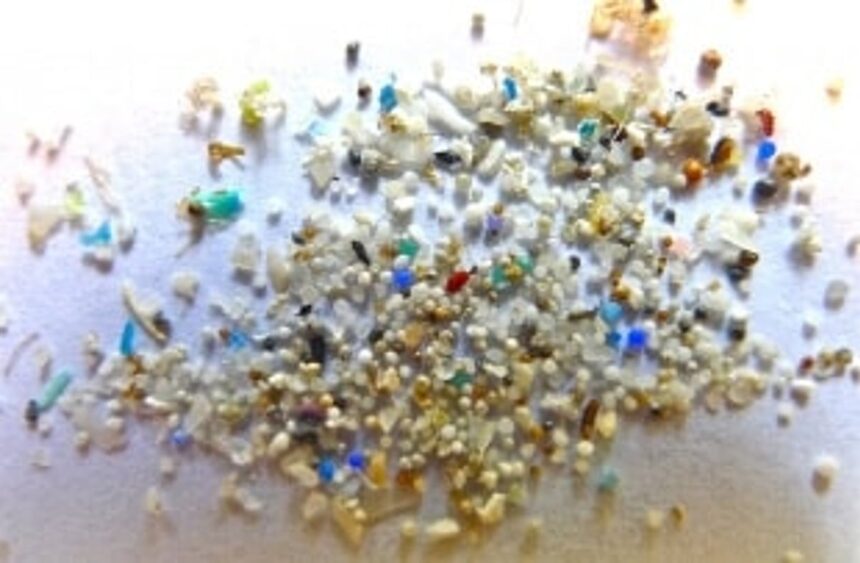
PANJIM: Observing that microplastic in ballast waters can serve as potential risk to the marine environment and human health, the researchers at Goa University feel the need to include the harmful material in the Ballast Water Management Convention (BWM) as hazardous.
The BWM Convention was created in 2004 to protect the marine environment and coastal States. Ballast water is water carried in ships’ ballast tanks to improve stability, balance and trim. It is taken up or discharged when cargo is unloaded or loaded, or when a ship needs extra stability in poor weather.
R K Naik, M M Naik, P M D’Costa and F Shaikh, attached to the department of Microbiology of the Goa University, have conducted detailed research on marine pollution.
The researchers claim that the microplastic pollution in marine waters around the globe is increasing exponentially.
“This is the first comprehensive review which focuses on microplastics as a source and vector for metals, antibiotics, toxic chemicals, pathogenic bacteria (Vibrio cholerae), and Harmful Algal Bloom (HAB)-forming dinoflagellates across the continents through ballast water,” the study states.
They said that the microplastics in ballast waters serve as ‘hotspots’ for the development and spread of multiple drug-resistant human pathogens through co-selection mechanisms.
“Microplastic inoculation at distant countries through ballast water may pose a serious threat to human health due to higher incidences of bacterial disease outbreaks and HABs,” the study states.
The researchers said that the 2017 BWM convention lacked a provision for on-board treatment of microplastic contaminated ballast water.
“We conclude that there is a pressing need to include microplastics in the ballast water management convention as a hazardous material,” the study states adding that there is also need to develop efficient on-board ballast water treatment strategies and effective limits for microplastics in ballast waters.