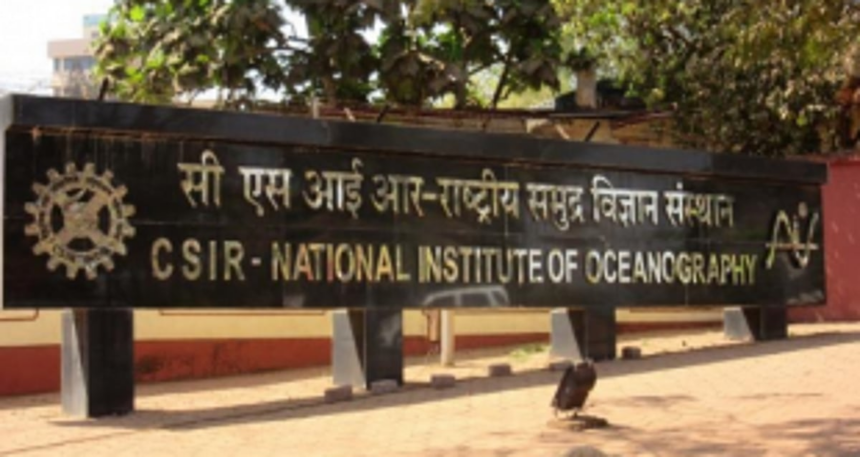
PANJIM: The ongoing study by the National Institute of Oceanography (NIO), Dona Paula for monitoring riverine and riparian biodiversity on a sampling mode, sand replenishment and erosion will be completed by May this year, informed CSIR-NIO Director Sunil Kumar Singh.
Based on the complete study, the Goa government will decide on granting permits to contractors for sand extraction.

“We are exactly mapping the sand thickness in the riverbeds giving details such as in which place how much sand is available, how much sand is going back and how much is stolen and based on the report the government will decide what to do next. It will be a complete survey of all the rivers in Goa,” Singh said adding “We will submit our final report on sand and erosion study to government by May 2021.”
Singh said the NIO had already submitted preliminary report of the Chapora River and that the study of Terekhol, Mandovi and Zuari Rivers are on and would be completed by May this year. He said that the study was delayed due to COVID-19 pandemic.
In June 2019, the Goa government decided to engage the services of the NIO for monitoring riverine and riparian biodiversity on a sampling mode, carrying out assessment studies for sand replenishment/accretion and erosion studies and assessment of biodiversity for rivers.
In the first phase, the NIO will conduct survey of four rivers –Chapora, Terekhol, Mandovi and Zuari and in the second phase in will undertaker sampling and survey and data analysis processing of seven additional rivers.
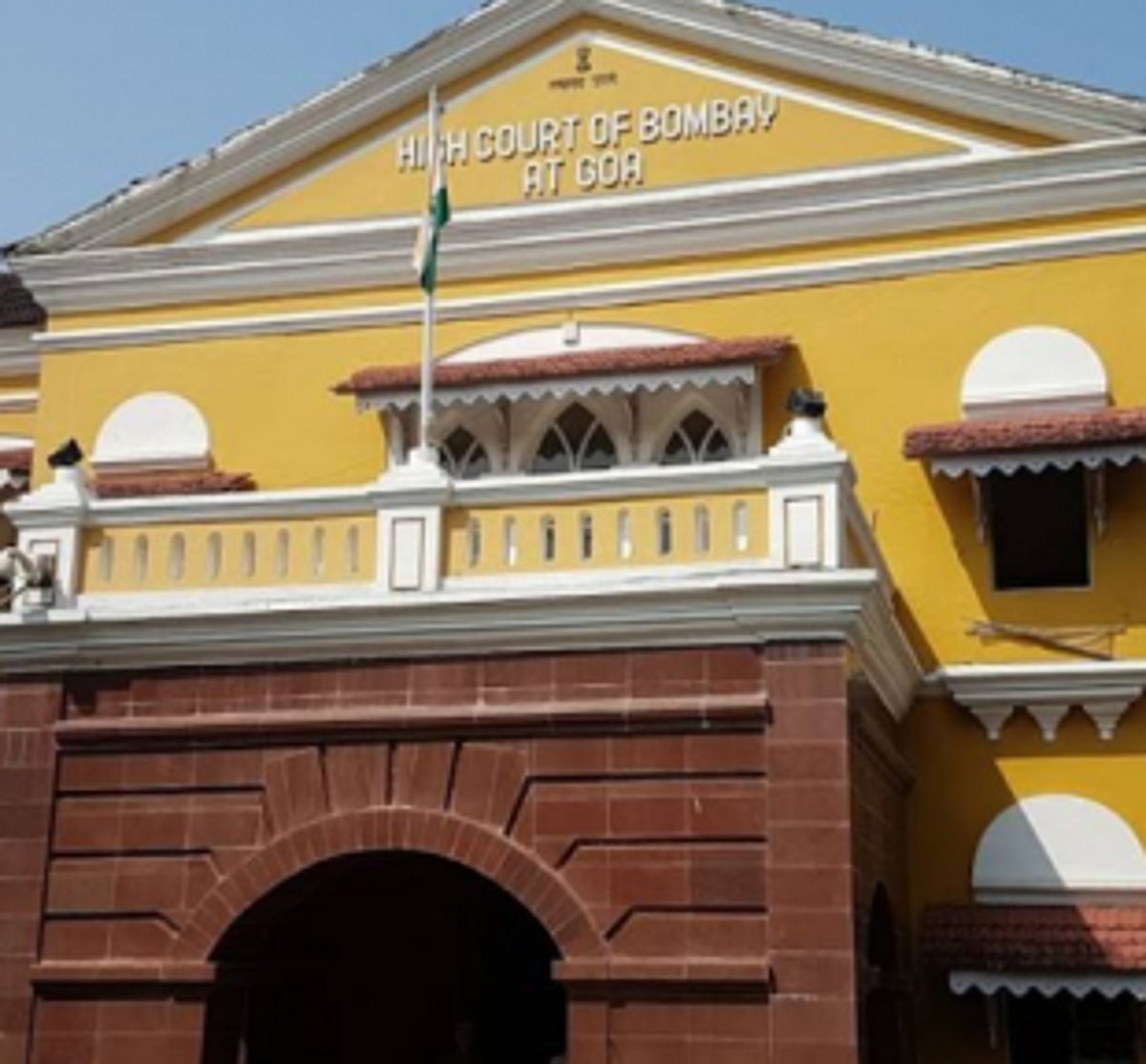
The construction activity in the State has come to a standstill due to ban on sand mining by the High Court of Bombay of Goa in 2018 after the Federation of Rainbow Warriors challenged the environmental clearances (ECs) granted by the North Goa District Magistrate.