Shravani G Kumbhar
Young people are increasingly attracted to different plants in this fast-paced life. Plant parenting is not simply about buying plants and watering them; it is about nurturing a living bond, much like the relationship between a parent and a child. A plant parent can be anyone; there is no age restriction. Some individuals unknowingly become plant parents through their daily care of plants. Among Gen Z, plant parenting is not just a cute trend, but it also reflects their enduring love for nature. In this digital age, with work pressure, academic stress, and the loss of greenery due to a changing world, these green companions provide a sense of peace and connection, offering positive energy and a deeper way to reconnect with nature in everyday life.

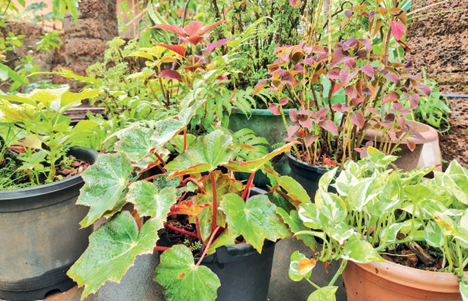
FROM PARENTS’ PASSION TO CHILDREN’S PLANT OBSESSION The love and care invested in plants are never wasted. From getting vibrant shades and varieties of plants to repotting, pruning, and propagating them to create a mini jungle, these activities have become a favourite routine for many plant parents. Keeping plants at home has become a visually pleasing lifestyle for many. It helps create an elegant space in the house, whether it is a windowsill, balcony, or verandah, transforming it into a lively atmosphere. A plant parent, Shivani, 25, from Honda, says, “I am obsessed with plants, and I love all types.” Talking about her preference for gardening, Shivani explains that she prefers indoor gardening because it is easy to move planters and decorate her home. Low-maintenance varieties such as cacti and succulents are especially appealing because they require minimal care while still adding beauty to a space. Shivani states, “Indoor plants give the house an aesthetic makeover.” Her love for gardening began at home and was inspired by her mother. “Since childhood, I’ve seen my mom doing gardening, and I think I picked up the habit from her,” says Shivani.
THE HIGHS AND LOWS OF PLANT PARENTHOOD Many plant parents develop a unique bond with their plants. Talking to them, caressing them, celebrating every new leaf or bloom, and cleaning dust from their leaves make plants understand the love language of their parents. The bond between them becomes even stronger as one greets their plants in the morning and shares daily experiences without hesitation, which brings happiness during plant parenthood. Talking about the loss of plants, it can be unpredictable and heartbreaking. “I feel sad and helpless,” says Saisha H Dangui, 25, from Sanquelim, an M.Sc. Botany graduate. Adding further, she says, “Sometimes, even if there is just one leaf left, I believe I can save the plant,” reflecting hope. GREEN THERAPY FOR THE MIND Plants are more than just decorative elements; plants teach patience, responsibility, and growth. It helps to understand that any process requires a lot of patience and understanding. Some research suggests that plant care has several health benefits. It helps to reduce stress, calm your chaotic thoughts, lower screen time and even suggests that those who spend time in gardening have a better boost in Vitamin D, which is a good source for your bones. It is a form of emotional therapy and self-care. And being around your plants can make one happy. Saisha says, plants are far more than home decor. “My plants are my safe space. They have always been my friends. They’re alive, and I have always felt that they can sense my presence and respond. It all depends on how I care for them and talk to them,” says Saisha. Adding further, she explains, “I have always loved surrounding myself with plants because they help me relax and calm down whenever I am upset. Just being around them and taking care of them helps declutter my mind and allows me to respond better to situations.” Listening to soft music while tending to plants is another love for both melodies and nature that never goes out of style. It helps to create a soothing and comforting effect. “Plants and music are equal to less stress,” mentions Shivani. This shows how plants play an important role in helping one through emotional challenges.
SUSTAINABILITY AND CREATIVITY THROUGH GARDENING For many youngsters, plant parenting goes beyond simply collecting plants. Growing chillies and various vegetables is like embracing an eco-friendly way of living. Devki Lawande, 19, mentions that rooftop gardening is more than just a hobby; it is a step towards a sustainable lifestyle. She mainly focuses on growing vegetables and enjoys nurturing them through every stage of their growth. She makes good use of available resources by growing vegetables in grow bags, large plastic pots, and upcycled containers. Speaking about her experience when she got her first harvest, “I was on cloud nine when I got the fruit of my hard work,” says Devki. Some plant parents see beauty in every part of nature, even in fallen leaves. Instead of throwing them away, they use the leaves for collection purposes or decoration. This highlights that sustainability is not just about growing plants but also about making mindful use of natural materials. Prathamesh S Gaude, 15, says that as a plant dad, he cannot dislike any kind of plant. However, speaking specifically about his preference, he mentions, “I love water plants, especially lotus.” Adding further, he says, “I created a mini pond where I planted aquatic plants and added a few fish.” This suggests how DIY creativity can create a natural and peaceful environment. For many young people, plant parenting has evolved from a hobby into a plant parenthood culture. Whether it is a succulent or a few indoor and outdoor plants, they are becoming companions and a source of emotional well-being for youths. Being a plant parent means embracing nature, finding joy in simple moments, and creating meaningful connections with the green life around them.