The Pernem Municipal Council entered into an agreement with Tamil Nadu based M K Aromatics Ltd to set up the plant on 8000 sq mtrs of land, to generate furnace oil, met coke and wax from the non-recyclable plastic that is usually seen by the State’s roads.
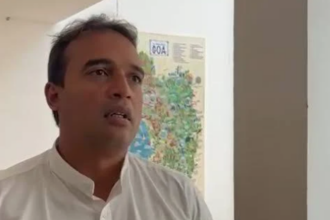
“The municipal council has entered into a revenue sharing agreement with the company. The plant would be set up in the garbage disposal dump of Pernem municipal council,” said PMC chairman Vasudev Deshprabhu in the presence of Goa State Pollution Control Board (GSPCB) chairman Jose Manuel Noronha.
Deshprabhu said that the plant costing around Rs 23 crore would be spread across 8,000 square metres. The plant with the capacity to treat 10 tonnes of plastic daily, will generate 6.7 tonnes of furnace oil, three tonnes of met coke and 500 kg of wax, he added.
“The furnace oil can be used for boilers and ships,” he said, adding if it is successful in handling the waste from Goa, they might also enter into the jurisdiction of Sindhudurg for taking care of their plastic.
Also, with this, the GSPCB will not have to send their non-recyclable waste to Vasavdatta cement factory in Karnataka for bailing.
The plant which is currently awaiting approval from the state Town and Country Planning department on Thursday got the nod from GSPCB. During its board meeting, the GSPCB has decided to grant Consent to Establish to the plant.
Noronha said the State generates 23 tonnes of plastic waste of which 30 per cent is non-recyclable and can be sent to the Pernem plant.
“This will help us to keep Goa clean at least from plastic garbage,” he said.
The State cabinet had in September, last year decided to set up two plants of 10 TPD capacity each, for conversion of post consumer mixed waste plastics from the municipal solid waste into fuel/hydrocarbon derivatives under the PPP mode. Accordingly M K Aromatics Ltd was selected for the project.
Meanwhile, the GSPCB in yet another resolution has decided to set special guidelines for village level garbage disposal sites, wherein handling and segregation of dry and wet waste takes place.
Noronha said that the new guidelines will include conditions like the site should be at least 500 mtrs away from the residential areas, so also from schools, temples, churches and any religious institution. Also the site should not be at low-lying areas and 200 mtrs away from water bodies.
The Board will soon come out with guidelines for cow sheds in the residential areas also.