Ponda city is in dire need of a sewage treatment plant. In the absence of one, sewage is being released into the main nullah, on which farmers are dependent. With residential projects coming up everywhere, the STP is a need of the hour.
Most of the sewage is being released into nullahs in the towns, and the sewage absorbing capacity of the soil is reducing by the day. The government had proposed an STP for Ponda in 2002, but the work could not progress.
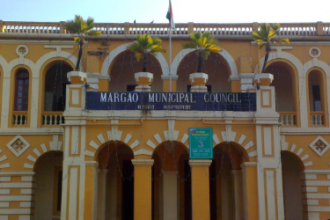
Recently, PWD Minister Sudin Dhavalikar approved an STP proposed by SIDCGL and the PWD, but the Ponda Municipal Council (PMC) has claimed that both parties failed to provide information about the project to the municipality, due to which the PMC could not provide its NOC for the project. The PMC stated that it would have to face the people’s ire if the project was approved without obtaining information.
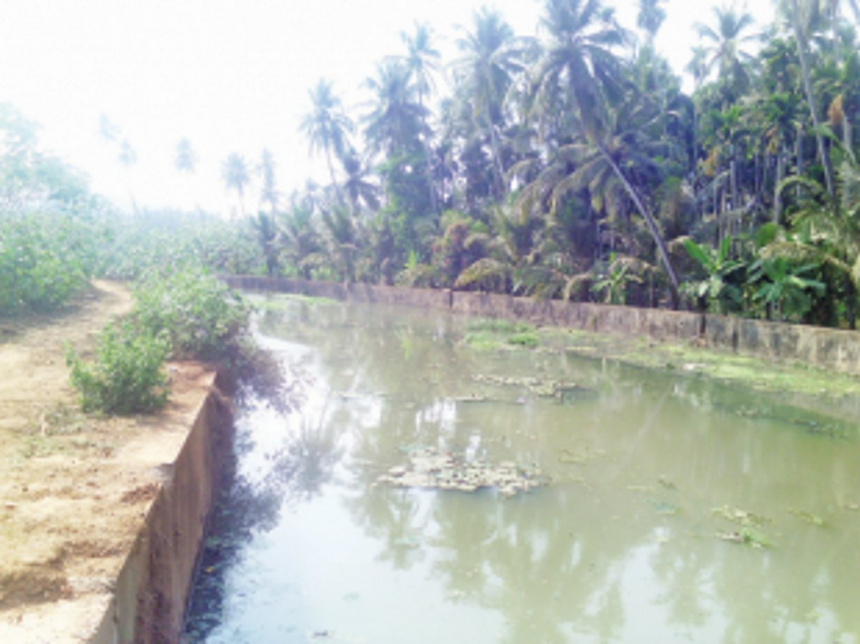
In the absence of an STP, untreated sewage from Ponda city and Curti panchayat is being released into the main nullah, which is known as the Kapileshwari nullah. Private night soil operators also release septic waste from residential complexes into the nullah.
This nullah passes through Kavlem and Bandora, where hundreds of farmers rely on its water for cultivating paddy of around 300 hectares of land. Over the years, the nullah water has turned green and emits a stench. Many farmers have left their profession in the last two decades.
Last month, while laying the foundation stone for an STP in Kavlem, Dhavalikar said that the proposed STPs in Ponda city, Curti and Kavlem, costing around Rs 400 crore, would be ready in a year and with that, the pollution of the Kapileshwari nullah would be reduced.
He said that NOCs from the panchayats of Bandora, Kavlem, Curti-Khandepar and the PMC would be taken and that the related drawings had been submitted to them.
As the PMC has now objected to the project, the Dhavalikar has appealed to Pondaitees to cooperate for setting up the STP in their area to maintain the health of their locality.
The PMC, at a recent protest against the STP, had questioned GSIDC officials how the tender had been awarded without land acquisition, to which they did not get an answer.
PMC Chairperson Radhika Naik and other councillors said they were not against the project, but they wanted details to share with the locals to avoid protests later. The details included how much land had been acquired, from where the sewage pipelines would go and which road would be dug to make way for the sewage network.
“The residents of Varkhandem and Khadpabandh had raised strong objections to an STP in their area. The PMC does not want to repeat such incidents at the last moment and wants details of the project to provide an NOC for its execution. We are not against an STP in Ponda, but how can we go ahead with the project without knowing anything about it? When they award a tender for the Ponda plant, we should know how much it will cost the consumer and where the plant will come up in Ponda. When we asked all these questions, nobody could answer,” said Naik, adding that the government had failed to take the PMC into confidence.
Meanwhile, Ponda MLA Lavoo Mamlatdar claimed that the PMC was opposing the project at the behest of politicians so that he would not get credit for solving the sewage issue. He further said, “The PMC, when Kishore Mamlekar was chairperson, had given an NOC for the STP, based on which the government initiated the process of setting up the project on PMC and panchayat land. Now the PMC raises unnecessary objections. Some land owners were even ready to give an NOC for the project, but an NOC of the PMC is necessary, which is opposed by the present council. Pondaitees should whether an STP should be brought to Ponda, in the absence of which they are suffering due to sewage released in the open.”