MAPUSA: Even as agriculture in Goa is fast dwindling amidst rapid urbanisation, and farmlands being developed to make room for the State’s burgeoning migrant population, these two brothers from Mapusa have emerged as an example for how genuine love and respect for nature, a little ‘jugaad’, and a ton of hard work can pay off, despite all odds.
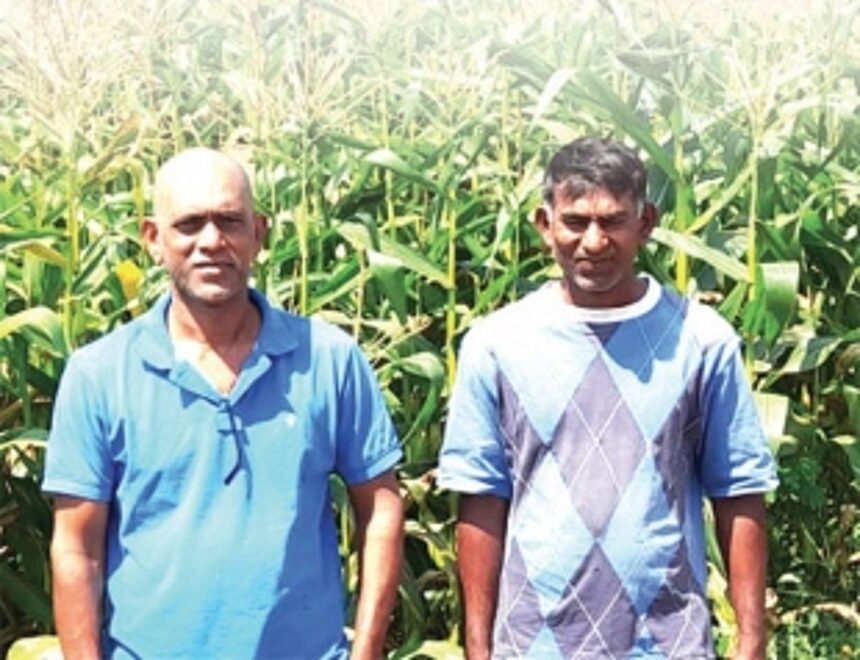
At a time when the division of ancestral land is often a bone of contention between siblings, middle-aged brothers Nilesh and Rupesh Tamankar display an unbreakable bond as they farm 10 hectares of land – around one lakh square metres – nestled in between highways and high-rise buildings in Duler, Mapusa.
When the Tamankar brothers took over cultivation from their parents 35 years ago, things were simpler. The field was ploughed by bullocks, traditional irrigation channels provided water and labour was plentiful during harvest season. With roads and settlements cropping up all around this green lung, the brothers lost access to their fields. To make matters worse, all the natural water channels and drains are now blocked due to landfilling for the development all around. “The government started the Tillari irrigation project with great fanfare, and promised us farmers a regular supply of water, but till date, we have not received even a drop,” says Nilesh.
All these issues may have discouraged others, but the brothers decided they needed to be innovative if they wanted to keep their ancestral occupation alive in the summer months. Like a Godsend, they chanced upon a small perennial stream flowing through their land and tapped this mysterious water body to irrigate their crops. “We tried to find the origin of this water channel but were unable to. It may be waste grey water from somewhere around, or even an underground spring. Whatever it may be, we are lucky to have found it,” says Rupesh.
While the brothers cultivate paddy during the rainy season, and usually have small patches of vegetables on rotation, they decided to try their hand at growing sweet corn this summer. “This is the ideal time as the domestic tourists who visit Goa in the summer love masala sweet corn,” explains Rupesh. Corn only takes 75 days to grow and is not labour-intensive. We have planted around 45,000 seedlings, and with a yield of three cobs per plant, we expect a good harvest this season,” says Rupesh, cheerful even though he has not had a full night’s sleep in days.
Sweet corn is irresistible to pests- peacocks, rodents and other small burrowing animals, and the brothers spend their nights watching over their crop, to drive away pests and prevent stray cattle from trampling their precious crops. Cultivating chilli on the other hand is more labour-intensive, but pays off, with the spicy Goan chilli fetching Rs 1,200 a kilo. “We spent around Rs 40,000 on cultivating chilli, and we hope to harvest around 100 kilos,” says Rupesh, adding that his friend, who lost his land to the Tillari project, also helps them around the field, in return for a share of the profits.
“The government has so many schemes and subsidies for farmers, and anyone interested in growing food crops should get in touch with their closest Zonal Agricultural Office,” says Nilesh. “When times were tough, mechanical cultivation officer Satish Kerkar helped us immensely with both aid and advice. The two ZAOs Sampathi Dhargalkar and Pallavi Shetye make a visit to our farm every week to monitor our progress and address any problems we may be having,” he adds, all praise for the two female officers who do not shy away from the grueling legwork their job involves.
Living off the land has taught them that caring for mother nature can provide sustenance, and they urge the younger generation to try their hand at farming, as a profession. “It is a fulfilling job, and helps you forge a bond with mother earth, and value food a lot more. Technology has made agriculture easier, and young Goans should take a chance on this traditional occupation instead of only pursuing white collar jobs,” says Rupesh.