alfredo fernandes
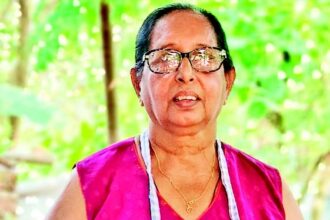
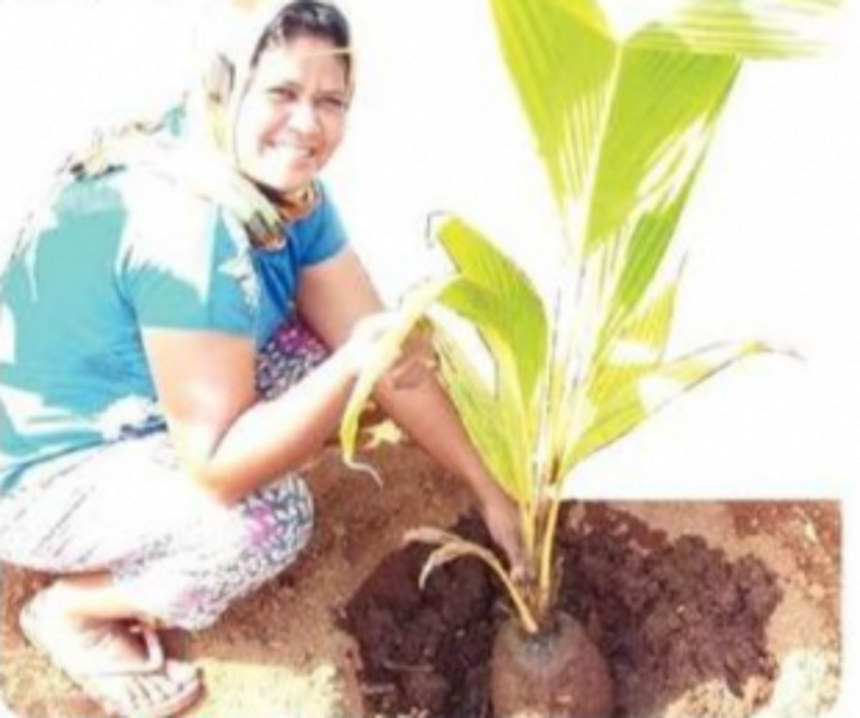
SANGUEM: Elly Fernandes has always been fascinated with plants – watching them grow from being merely seed and soil, to yield tasty and nutritious vegetables, and sweet, colourful fruits felt like magic to her, growing up surrounded by greenery in the lush locales of Sanguem’s Uguem village. “The pursuit of one’s passion makes the heart happy,” says Elly, who fell headlong into vegetable cultivation, vermicomposting and backyard poultry-rearing a few years ago.
“From my younger days, I have been fond of growing plants. My passion took wings when we bought a small plot of land, measuring around 500 sqmts,” says Elly. “With support from my husband, I started growing horticulture plants along with vegetables. During the first year, we planted papayas and got a good yield, with some fruits even weighing five to six kg a piece. However, as the plot was located close to a cashew plantation and forest trees, monkeys invaded our papaya plantation,” she says, recalling that the duo soon switched to growing chilli plants. “ We tried the Nisa variety of chillies, which gave a good yield of over 70 kg, which was sold to the Goa Horticulture Corporation,” says Elly, who is well known for her green thumb, even amidst her agrarian community..
Considering the yield and satisfaction the couple got from their first ventures into agriculture, they increased their plot area to 1,000 sq mtrs and began growing a banana plantation, which again yielded good results despite the water scarcity issues they battled in the initial stages.
“Banana plantations need a lot of water and we do not have any irrigation source, except for tap water. As the irrigation pipeline passes through our plot, we applied to the Water Resources Department to provide us an outlet valve, but our request was rejected on the grounds that the pipeline which passes alongside our plot is a ductile pipeline, and if a hole is drilled to provide an outlet, the water pressure would drop, affecting the supply of water to the tank providing water to people living in hilly areas,” she explains.
The couple also explored the possibility of drilling a
bore-well but were deterred by the daunting expenses. “We could not get the desired subsidy from the Agricultural Department on account of the plot size, as the minimum area of land under cultivation had to be at least 4,000 sq mtrs,” she adds.
Yet, Elly proved that her passion for farming could compensate for any other shortcomings or challenges thrown their way. “This year, we grew cucurbits, radish, red amaranth, bottle gourd, brinjal, chilli, onion, sweet potatoes and tomatoes. Out of all these vegetables, we got a good yield of radish this year,” she beams.
Elly does not use chemical fertilisers; but makes ‘Jeevamrut’, a concoction of cow dung, urine, gram flour, jaggery and other earthy ingredients, to feed her crops. Besides, her two vermicomposting beds ensure she has a steady supply of nutritious manure.
“We find joy in giving vegetables to our neighbours and friends. This season, we gave vegetables to nearly 50 people, free of cost,” says Elly.
Two years ago, Elly forayed into rearing poultry, thanks to a suggestion from the Zonal Agriculture Officer, Sanguem. “They gave me a poultry unit of 20 birds – five roosters and 15 hens, of the Vanaraja variety. These hens gave me more than sufficient eggs for my family and friends, and we sold the excess in the market at a good rate of Rs 200 per dozen,” she said, adding that her brood needs to soon be replaced with younger birds, as their productivity has decreased.
So what next for Elly? “If I get water supply from the WRD, I have big plans for the future. Nevertheless, I have planned to grow millets this year as the Central Government has declared 2023 as the International year of millets,” she says, excitedly.