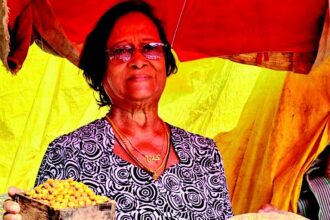
MAPUSA: Born in Savoi-Verem, Ponda, Champa was raised by impoverished parents, alongside five siblings. “We had no idea about school and education- we began working in a mine from the time we could carry stones- at around nine years old. We would go to work together and bring back barely enough to feed ourselves,” she recounts, in a matter-of-fact way.
In the 1980’s, Champa was wed to a truck driver from Siolim even before she turned 18. The burden of providing for her family fell heavily on her shoulders as her husband was often unemployed. “To supplement our income, I went to work in the fields, and got paid Rs 10 per day. Tragedy struck when Champa’s younger child was two years old- her husband died unexpectedly of a massive cardiac arrest.
“After he died, my two children and I were rendered homeless. I was at my wit’s end when a neighbour offered to let us stay in his cow shed. We stayed in one part of the shed, while the cows lived in the other portion, and we only had layers of palm fronds sheltering us from the elements. It was decades ago, but I still remember those days vividly. The mosquitoes were fierce,” she smiles.
The Tillari Irrigation Project changed her trajectory, as the fields she was working in got flooded. With resilience as her guiding force, Champa adapted and began a back-breaking stint as a construction worker, earning Rs 30 a day in the 1990’s.
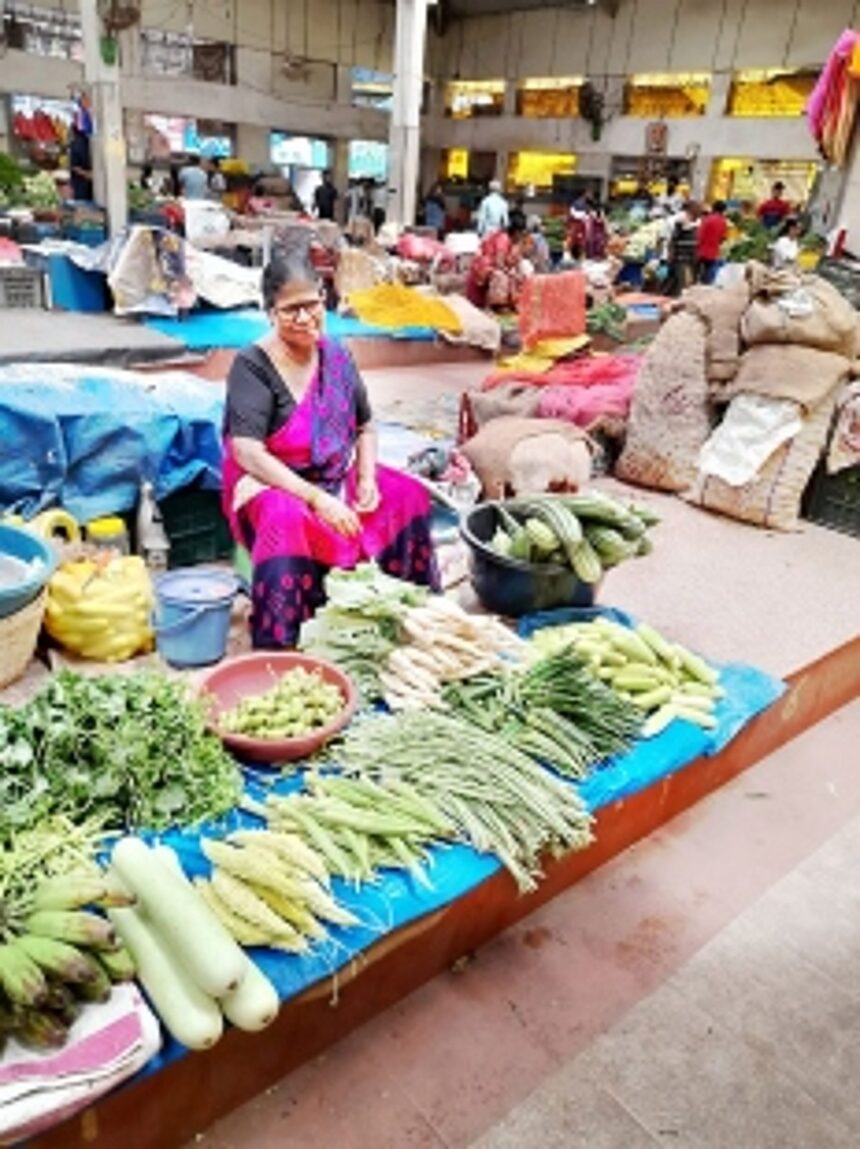
Her mother-in-law then asked her to try selling mangoes at the Mapusa market. “I was hesitant as I was bad at counting- both mangoes and money. But this was my chance at entrepreneurship, and I grabbed it,” she said. She built a business selling coconuts and other local produce and over the years, managed to build a small house, educate her children, and get them married.
“My son had a good job, he had just bought a car, and told me to stop toiling, stop waking up at the crack of dawn to go sell my vegetables. And at 34 years old, just like his father, he died of a cardiac arrest,” she says, tearfully.
Now, Champa has her son’s young widow and toddler grandchild to provide for, and says she will continue to toil, and sell her produce, as long as she’s physically able.
“I’ve had terrible luck all my life, but I still have my limbs and my health, and the inner strength to keep working. And that’s what I will do,” she says.