MARGAO: It’s fascinating to learn about Ropall Lane, located opposite Margao’s Bombay Cafe, and its unique traditions and commercial activities centred around garments. The presence of numerous ‘dorjis’ (tailors) working alongside clothes merchants with their sewing machines created a vibrant and bustling atmosphere in the area.
The combination of tailors and clothing merchants indicates a thriving textile industry within this community, allowing customers to have their garments tailored to perfection right on the spot. This collaboration between tailors, merchants, and the public contribute to the lane’s character and charm, making it a must-visit destination for those interested in clothing and craftsmanship.
The enduring presence of the ‘dorjis’ as an integral part of Margao’s rich tailoring tradition, even from the time of Portuguese rule, reflects the history of craftsmanship in the commercial town.
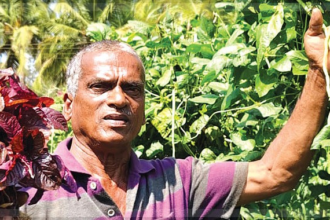
Mohan Virdekar, a 78-year-old resident of Mhalbat, Margao, embodies the legacy of tailoring craftsmanship in Margao. With over 60 years of experience in stitching clothes, he has left an indelible mark on the world of tailoring. His journey began in Margao at the age of 15, and he stands as the one of the last living witnesses to the history of tailoring activities at Ropall Lane.
Mohan’s journey, from starting as a helper to his father at the age of 15 and continuing in the profession even at the age of 78, reflects the transitions and changes that Margao has undergone over the years, especially in the realm of tailoring and textiles.
Coming from a financially disadvantaged family, Mohan’s decision to choose tailoring as his profession, despite having dreams of pursuing an education, was a sacrifice he made for survival and to support his family. In his early days of tailoring, Mohan faced significant challenges, where even earning a few rupees was a huge task. His ability to provide for his family and raise three children solely through the income from his tailoring business is truly commendable and serves as a reminder of the strength of the human spirit in the face of adversity.
Mohan’s nostalgic recollections of his early days in tailoring paint a vivid picture of the challenges he and other tailors faced. The times were so demanding that they often didn’t even have a moment to enjoy a cup of tea. He recalls how he used to charge only 13 ‘anne’ to stitch a shirt, and due to the meagre earnings, there were times when he had to sleep with an empty stomach.
His concern for today’s youth opting for government jobs instead of carrying on rich familial traditions, like Goan tailoring, reflects a broader trend of changing career aspirations among young people. Mohan’s sentiments highlight the need to preserve and pass down traditional crafts and skills to future generations, even as societal preferences evolve. His insights shed light on the history and challenges faced by tailors in Goa.