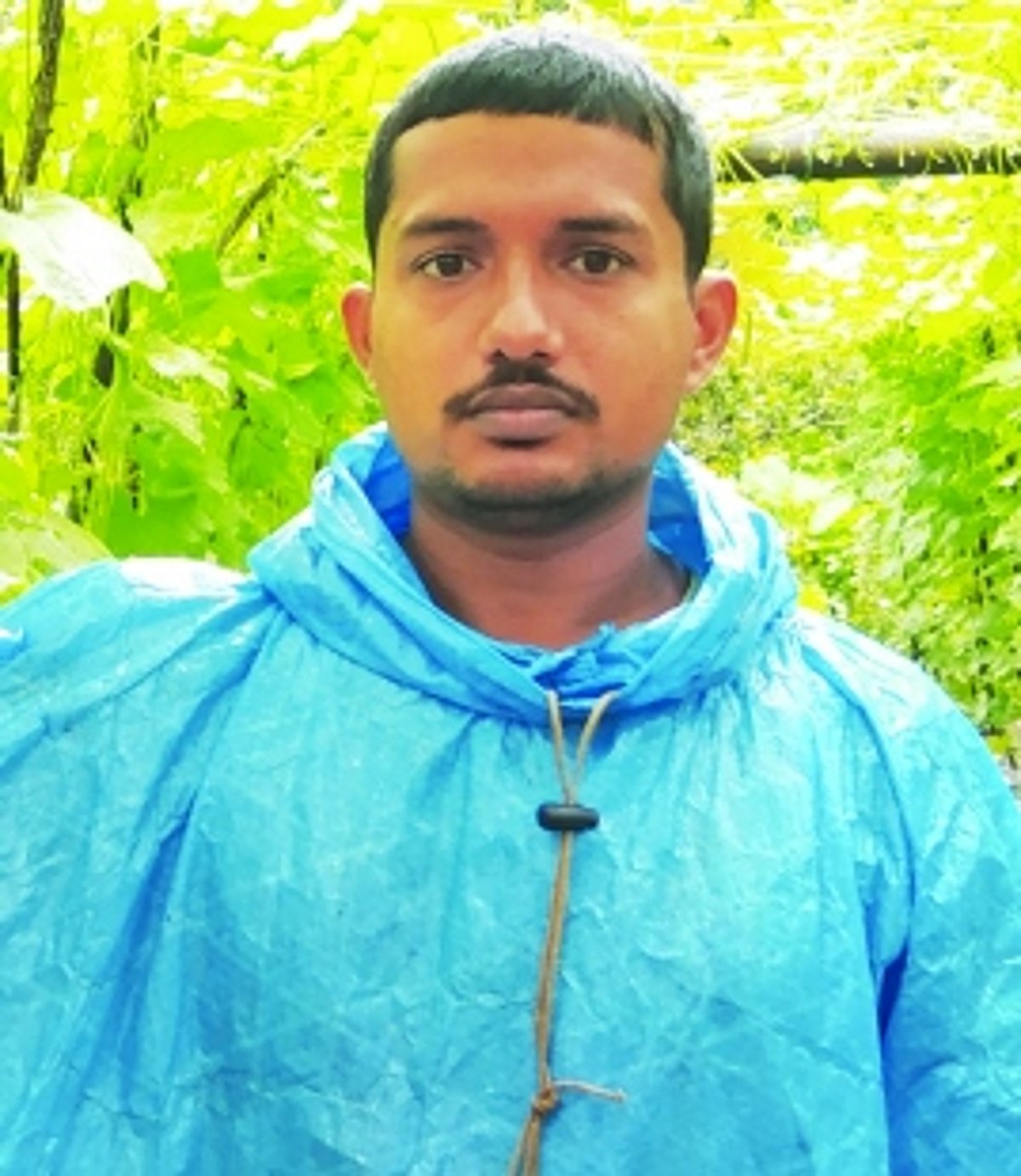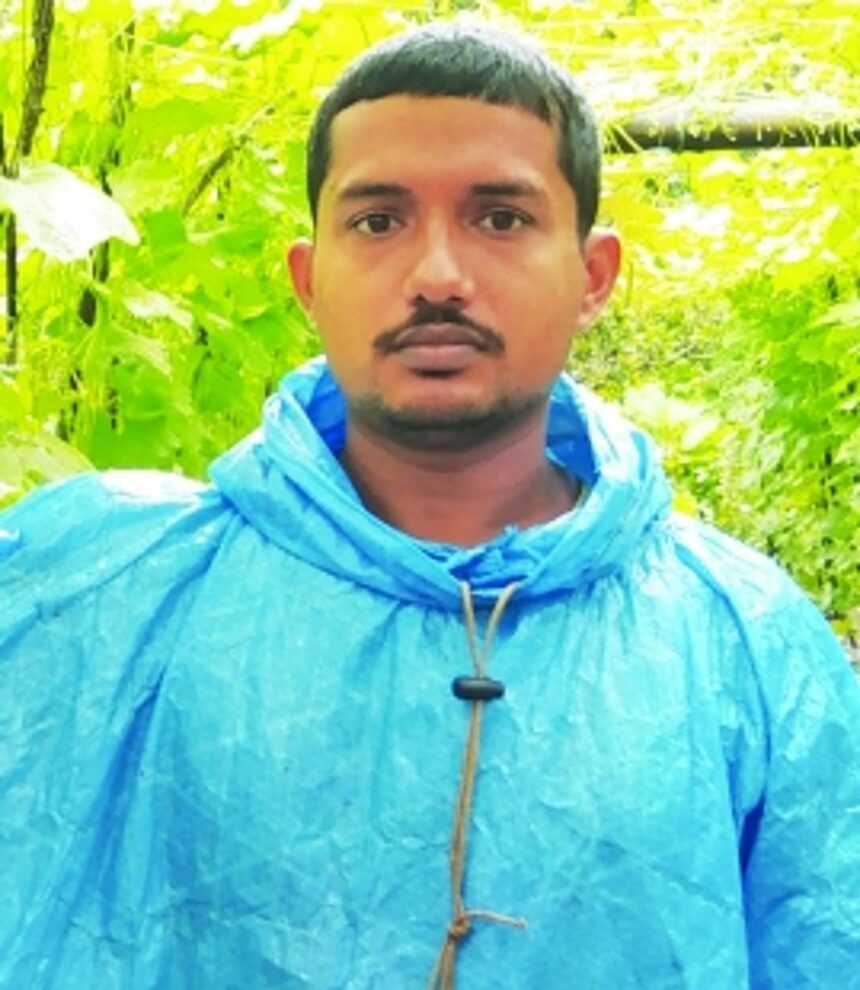
SHIRODA: In the heart of Shiroda constituency, a young and enterprising lad, Rajat Rudresh Prabhu, has transformed the once barren lands of Chafegal-Nirankal in Bethora Panchayat into a thriving lush green plantation, yielding bumper crops. With sheer dedication and perseverance, Rajat has successfully cultivated a diverse array of produce, including apples, oranges, and dragon fruits. His agricultural business now earns him an impressive annual income of Rs 20-25 lakhs, setting a remarkable example for the youth.
Having completed his education at Dapoli Agriculture College in Maharashtra, Rajat made a bold decision to forgo the pursuit of government or private jobs and instead focus on cultivating the neglected land. Initially, he began with ladyfinger and cucumber in 2016, but the bountiful harvests only fueled his passion further. Determined to make the most of the opportunity, Rajat expanded his cultivation to include oranges, apples, and dragon fruit, even though Goa’s climate was not particularly favorable for such fruits. Through relentless care and dedication, he has managed to grow oranges successfully on his farm.
Currently, Rajat’s orchard boasts of around 50 apple trees, half of which have reached maturity but are yet to bear fruits. Despite the challenges, Rajat remains undeterred, confident in his ability to nurture these trees into fruitful productivity. Notably, his farm witnessed the successful supply of over 16 tonnes of ladyfinger vegetables to the market last year.
Moreover, Rajat has also taken a keen interest in cultivating two types of guava plants, yielding massive fruits that weigh anywhere from 700 grams to over one kilogram.Rajat also has a few jackfruit trees along with papaya, banana and other plants. He expects the apple trees to bear fruits in the next couple of years.
In a world where many young individuals chase after government jobs, Rajat stands tall as an inspiring role model. He calls upon the younger generation to consider utilising available land for cultivation, thus achieving self-sufficiency and fostering sustainable practices.