SIOLIM: It is not uncommon to see the children of star personalities struggle in life and hit rock bottom before starting anew to carve a niche for themselves. Those who forge their own identity with unique thoughts also deserve recognition as stars in their own right, like Siolim’s Jonah Fernandes.
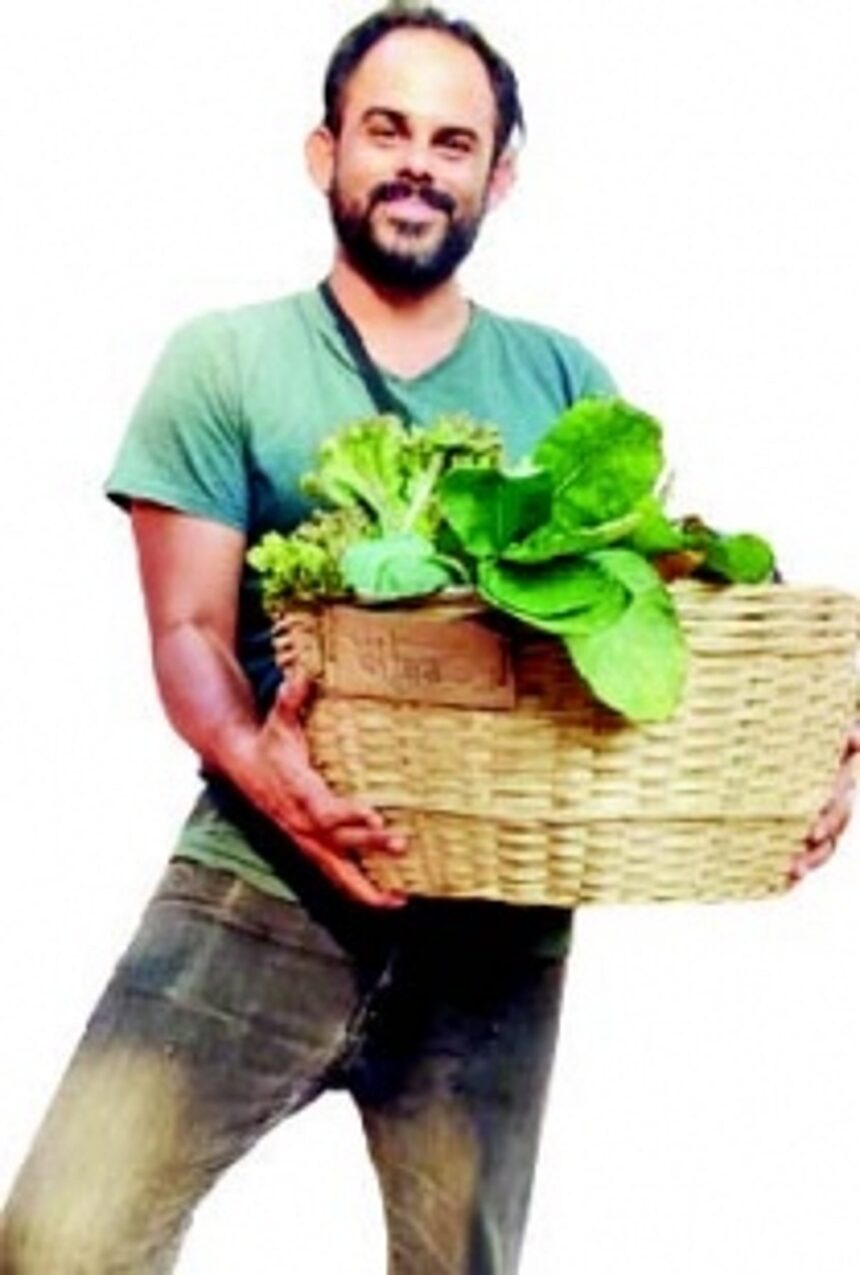
Jonah, the son of singer Remo Fernandes from attributes his success to the upbringing by his parents, grateful for the values they instilled in him. After completing his school education, Jonah went on to learn film making and cinematography, working for some time in Mumbai and Thailand- but soon, he felt a pull back to his homeland.
This led to the establishment of “Eco Posro” in Parra, a venture aimed at giving local farmers a platform to sell their clean and genuine products. “We sourced items from different parts of India and directly from farmers, encouraging people to avoid plastic and live an eco-friendly and sustainable lifestyle,” he explains. Eco Posro thrived for several years but faced a stumbling block due to Covid. For Jonah, this was not a time to rest but a time to give a new direction to his business—a blessing in disguise. With self-determination, Jonah conceived the idea of building a mobile shop. He built an electric rickshaw and named it ‘Zero Posro’. “The name is a message to take a path leading to zero—zero in terms of food waste and zero in terms of garbage creation.” With Zero Posro, Jonah travels the length and breadth of Bardez each day, covering about 100 kms, visiting farmers.”
At Zero Posro, we are cent per cent local. We procure all our stock – rice, veggies, fruits, and spices—all grown locally. Many times, we go to the foot of the Western Ghats because even forests have plenty to offer us, and need to be preserved.” Jonah acknowledges that sometimes it is practically not possible to remember to take bags while going out shopping, so in Zero Posro, their vehicle reaches customers’ doorsteps. Now there is no need for a bag; the least customers have to do is bring their container out and collect their food items from the vehicle. Zero Posro has been well appreciated for this approach, with customers eagerly awaiting their weekly subscription of a basket of local vegetables, fruits and grains.
Jonah emphasises that resources should never be wasted. If the garbage problem is severe today, it is because of the vast amount of wet waste generated from food. Jonah believes that by controlling food wastage, not only will the garbage problem be halved, but a significant amount of poverty in India will be wiped out. “Food needs to be respected and used with restraint. That’s why we have fixed farmers and fixed customers, and we never allow anything to get wasted,” says Jonah. According to him, just 6 percent of the entire food consumed in Goa is grown locally, while 80 percent of wet waste is generated from food items. Jonah aims to bridge this gap by increasing the percentage of locally grown food and reducing food waste, stressing the need for education to align modern lifestyles with sustainable practices.