RAIA: One evening, as this reporter was documenting his personal collection of Christian art, he came across a late 19th-century black chasuble bearing a cloth tag with the words ‘ALFAIATARIA Caetano José Gomes e Filho (Especialistas em trajes clericais em paramentos eclesiásticos) RAIA.’
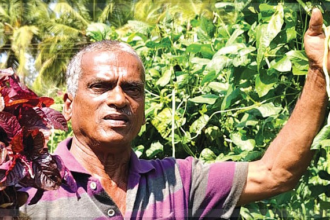
On enquiring with Vernon Madre de Deus, a friend from Raia, if he was aware of anyone who made vestments in Raia, he zeroed in on Eudes Dias’ place in Sonar Vaddo.
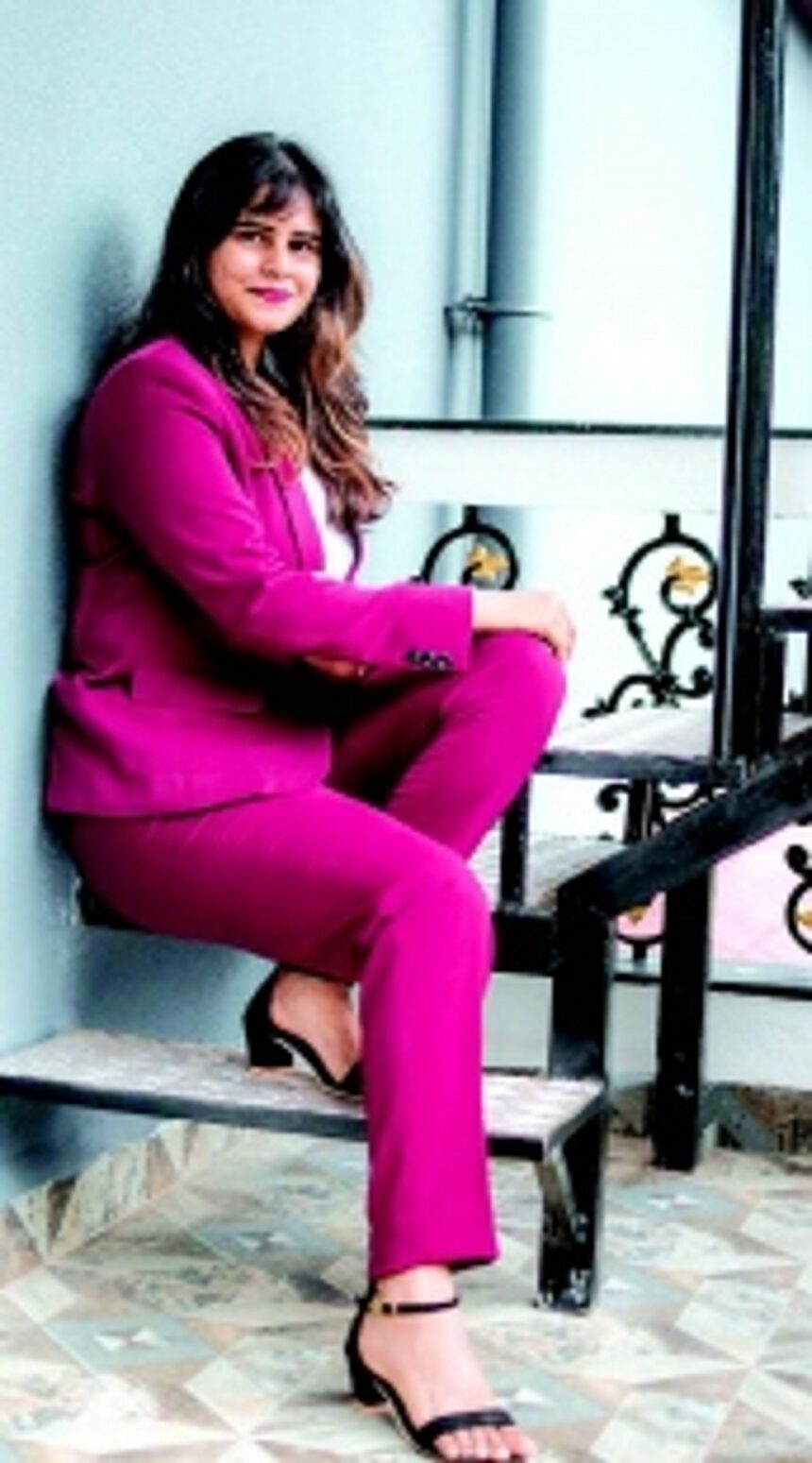
Dias’ daughter, Eshita Queenal Dias, is the resident vestment maker since 2010. On seeing a picture of the cloth tag from the 19th century chasuble, she exclaimed, “That’s my great-great- grandfather!”
“I am the sixth generation from my family engaged in crafting sacred vestments,” she said with great pride. “Traditionally, we would stitch everything required for church use right from Albs, chasubles to processional banners, ceremonial veils, and so on. We would also stitch vesting of the irmãos of various confrarias, i.e. the opa (tunic) and the murça (a shoulder-length cape). However, as of today, we only stitch cassocks,” she adds. Earlier, cassocks were made purely of cotton but today polyester is largely used, added Eudes.
“We make two types of cassocks,” he says. American cassocks are generally preferred by Jesuits while regular cassocks are preferred by diocesan priests.
Eshita, a fashion designer herself, employes a small team of tailors, namely Cathrine Gomes, Annie Rodrigues, Xyrol Mascarenhas, and Angela Fernandes who assist her with her work, along with her supportive father. In the earlier days, they sourced their material from Antonio Xavier D’Souza in the Mercado de Afonso de Albuquerque while today they procure it from the Caro store in Margao.
“My maternal grandfather, Antonio Alexio Gonzágo Gômes would wait at Antônio Xavier’s store, where the priest would drop in for measurements. He would also visit a hotel called Hotel dos Aliados located near the Post Office in Panjim, where he would meet priests from the north of Goa, in order to get their measurements. My mother, Milagrina Gomes would visit the Bishop’s palace in Altinho, Panjim, every Thursday, so that she could take orders from priests of North Goa, making it convenient for them instead of them having to come all the way to the south,” says Eudes.
However, like most other Goan businesses, the Dias family establishment also faces a labour shortage problem today. “When there is work, labour isn’t available and when there isn’t any, there is plenty of labour,” says Eudes. Secondly, sourcing raw material is also getting difficult.
“We no longer find traditional handmade crochet buttons and hence have to switch to commercially produced buttons sourced from Baboy stores in Margao,” says Eudes. He recalls that he heard from his ancestors that a cassock in the 1050’s would cost Rs three, and today the costs have increased over a thousandfold due to increased production costs. “We still use some of the manual 19th century sewing machines made by companies Pfaff, Singer, and Zenith which belonged to my great grandfather, Caetano José Gomes, in addition to modern electrical ones!” adds Eudes.