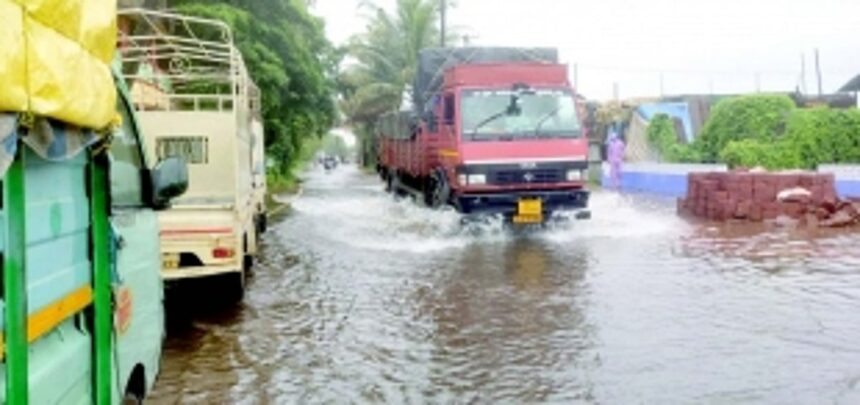
MARGAO: The recurring issue of flooding alongside the Western bypass in July has once again raised concerns among local residents. Despite repeated incidents in recent years, this year’s monsoon has brought similar challenges, prompting citizens to question why authorities have not heeded their longstanding demands for constructing the bypass on stilts instead of using embankments.
On Tuesday, locals drew attention to the water-logged areas, be it the flooded fields or inundated roads, and recalled the assurances that had been given by the PWD regarding the adequacy of larger and additional culverts to manage water flow during the monsoon season. These promises, now seemingly unfulfilled, have left residents frustrated and seeking answers. Furthermore, they questioned the effectiveness of the District Collector’s directives to implement preventive measures against such flooding situations.
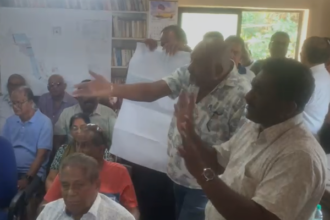
Rudolf Barretto, a local resident, who had been part of groups opposing the construction of the bypass through the water catchment areas of Benaulim, expressed his disappointment. “This is the outcome of not doing the Western Bypass on stilts in Benaulim. This happens when the government believes in studies done on the desk rather than studying the ground realities,” he stated.
Barretto and other concerned citizens had previously urged authorities to reconsider the construction method, advocating against filling the low-lying areas with mud embankments. Their pleas, along with those of local farmers who cultivate crops in these areas, were ultimately ignored in favour of the current design.
The flooding issue not only affects residential areas, but also poses significant challenges for agricultural activities in the region. Farmers, whose livelihoods depend on the cultivation of these low-lying fields, face potential crop losses and economic hardship due to the recurring floods.
As the monsoon progresses, residents are calling for immediate action from local authorities to address the flooding and implement long-term solutions. They emphasise the need for taking into account the area’s natural drainage patterns and the impact on both residential and agricultural land.
They added that the government should have paid attention to their local knowledge and environmental considerations, especially in areas affecting the flow of monsoon water into the sea so that it does not stagnate in the village and surrounding areas too.