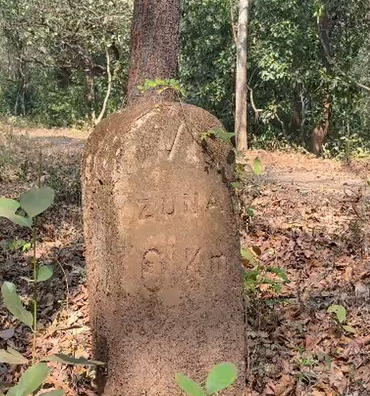
Decades after Goa’s liberation, remote villages like Zuna under Bhati Panchayat in Sanguem taluka still lack electricity, water, and roads. Are government schemes reaching the marginalized?
A Tiny ST Enclave in Neglect
Zuna, home to 5-6 ST houses near Shree Govladevi Temple, sees thousands of devotees yearly, including politicians, on its access road. Yet residents endure extremes.

Perilous 8km Journey Daily
Traveling from Dhargunim main road means an 8km dangerous katcha stretch, temporarily filled only for Govladevi Jatra. The rest of the year brings muddy, waterlogged perils in monsoons, with frequent falls and injuries for daily commuters. Electricity comes solely from solar panels. Drinking water pipes in from a Karnataka spring, aided by locals there. No toilets, taps, healthcare, TV, or radio exist.
Grandfathers never visited barbers, wore slippers, or saw doctors. Livelihoods hinge on small farming. Youth seek distant jobs or rent rooms outside, often leaving wives and elderly mothers alone.
Medical crises force private vehicles or foot-carrying patients 8km to roads, no ambulances reach. Children trek the same distance daily to primary school.
Politicians promise tar roads at annual Jatra visits, but assurances fade. Goa’s 100% tap water claim rings hollow here, women relieve in forests, compromising dignity and health.
Despite ST funds, Zuna remains invisible. Villagers demand rightful basics: safe roads, water, sanitation, schools, not temporary fixes. Where are the resources? Zuna seeks justice.