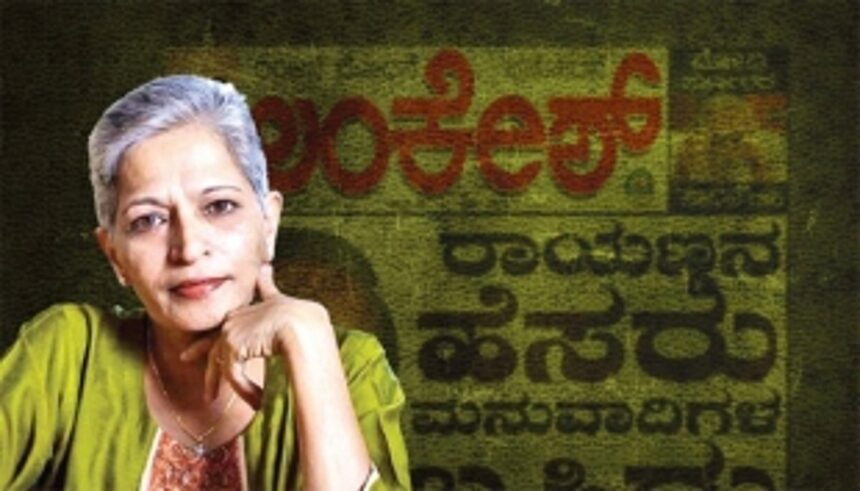
Gauri Lankesh, was a senior journalist and activist. On Tuesday, September 5,
2017, she was shot dead outside her residence in Bengaluru, by two helmet clad
men on a bike. Seven rounds were fired at Lankesh, four of which missed, before
she was struck in the chest and forehead, causing her death at the gates of her
house. However, keeping the appalling nature of the crime in question aside,
these kinds of incidents also affect the future at large. The media students of
tomorrow are bound to see this as an infringement upon their own lives and
security, and hence question their role in the media sphere, and question
whether it is worth it. The murder has sparked outrage in the region and has
seen nationwide protests, all condemning the killing. Lankesh, who was in her
50s, edited a Kannada tabloid ‘Gauri Lankesh Patrike’ and was popularly known
for her views against a hard-line Hindutva stance.
Café asks some media students in Goa whether Lankesh’s death acts as a warning to them to not pursue covering a topic they may be passionate about; whether it only motivates them further to uncover matters at any cost; and whether it acts as a deterrent from the media profession at large:

Life is cheap in India. You could be
killed for anything; and I’m sure this isn’t just one instance of a reporter
being killed. It’s just going to get worse, because the system is pretty messed
up. There’s no accountability or proper governance. I really don’t know what
I’d do in the given situation. I’m sure everyone is at a crossroads, and
sometimes you’ve got to think, ‘is this really worth it?’
DUNSTAN DIAS
It doesn’t scare me in any way.
Rather, her sudden death is an eye opener that more people need to study media
or be like her. The reason for her death is unknown, so my point of view is
that she probably uncovered something that isn’t supposed to be known to the
public, or maybe something else; but it definitely does motivate me to uncover
many more stories that are being hidden from the rest of the world.
ASHLESHA NORONHA