SANTOSH NAIK
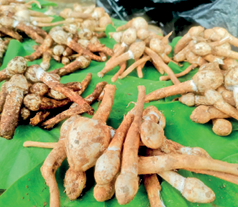
For generations of Goans, the ar rival of the monsoon has meant more than dark clouds and overflowing rivers. It has also heralded the brief but eagerly awaited season of olmi — the wild mushrooms that emerge after sustained rains and find their way onto dining tables across the State. This year, however, the prized delicacy has remained frustratingly elusive. An erratic monsoon, marked by pro longed dry spells despite intermittent showers, has disrupted the natural con ditions essential for the growth of olmi, leaving collectors, vendors and food lov ers disappointed. Markets that would or dinarily be bustling with roadside sellers offering freshly harvested mushrooms have remained unusually quiet, with only a fleeting appearance of the seasonal delicacy before supplies disappeared.

For many families, missing out on olmi is more than a culinary disappointment. The wild mushroom occupies a special place in Goa’s monsoon food culture, with house holds eagerly awaiting its arrival to prepare traditional curries and stir-fries that are enjoyed only for a few weeks each year. “Only once did olmi reach the Ponda market this season,” said Narayan Naik, a mushroom collector who also sells the produce at a roadside stall. “Usually, olmi appears again during the second-last and last weeks of July. However, the dry spell during the final weeks of July was not favourable for its growth. Under ground termite mounds play a crucial role in the growth of these mushrooms, along with sustained rainfall, humidity and suitable temperatures,” he explained. The consequences have been felt not only by consumers but also by those who depend on the seasonal harvest for supplementary income. Every monsoon, dozens of roadside stalls spring up across Ponda and neighbouring villages, with villagers set ting out before dawn to forage for the prized mushrooms before selling them fresh by the roadside. This year, that familiar seasonal scene has largely vanished. Naresh Naik said the absence of olmi has been keenly felt by locals. “Every year, roadside stalls across Ponda bustle with hawkers selling freshly harvested olmi, while customers bargain over prices, especially during July. But this year I could not get olmi because its production was badly hit by the rainfall deficit,” he said. The poor olmi season mirrors the wider impact of the State’s erratic monsoon, which has already raised concerns among farmers over paddy cultivation, shrinking water re serves and delayed agricultural operations.