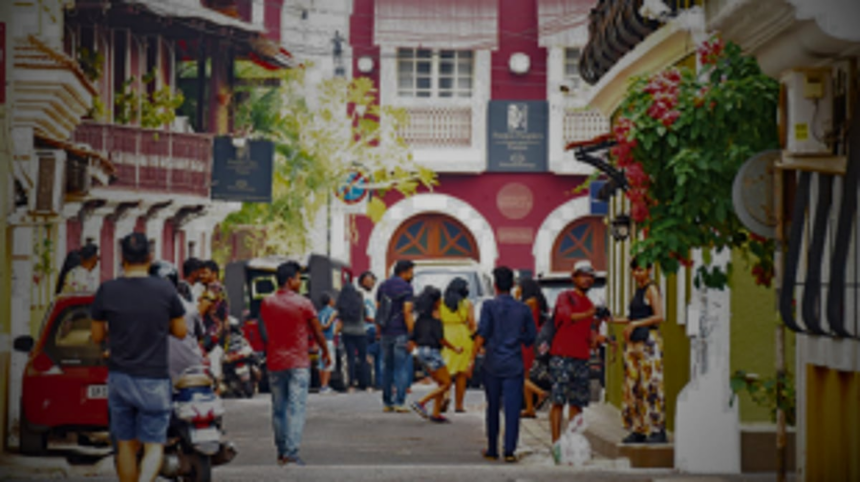
In the heart of Panjim, once a serene haven, a bustling metropolis now mirrors the intricate chaos of an ant colony. The relentless dance of perpetual motion has transformed this urban landscape into a concrete jungle, where personal space has become a luxury few can afford.
The rhythm of the city is dictated by hurried footsteps, as individuals navigate the relentless flow of urban life. Time becomes a precious commodity, and the concept of personal space fades into a distant memory amid the unyielding pace. Residents find themselves engulfed in a sea of faces, their lives interrupted by the constant ebb and flow of the city’s relentless energy.

Yet, amidst this whirlwind, the invasion of privacy becomes a stark reality. Tourists, driven by curiosity, unknowingly encroach upon the quiet lives of its residents. The once tranquil existence is shattered by the intrusion, as visitors remain unaware of the impact their curiosity inflicts on those who call this place home.
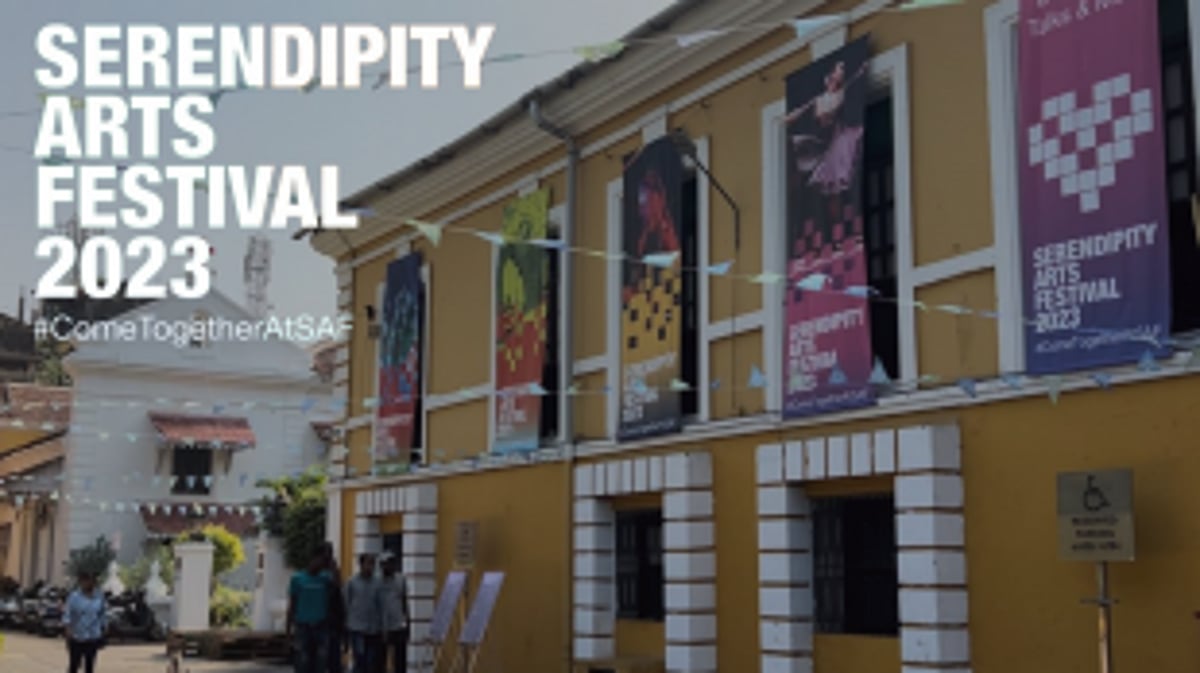
The simplicity of life sought by the locals stands in stark contrast to the frenetic energy that now defines the quieter side of Panjim in areas like Fontainhas and Sao Tome. These quiet lives yearn for solitude, a respite from the cacophony that engulfs their city. However, the irony lies in the fact that, in the name of development, nature itself is sacrificed.
The cityscape is sculpted at the expense of the environment, as trees are felled, and natural habitats obliterated to make way for man-made jungles. The very act of ‘development’ transforms the landscape into a wild and ruthless entity, far removed from the gentle balance of nature. The cost of progress, it seems, is measured not just in economic terms but in the toll on the ecosystem that sustains us.
As Panjim grapples with its own paradox, the profound question lingers: At what cost do we pursue development? The answer is etched in the altered skyline and the diminished connection to the natural world. The clamour for progress has, ironically, led to the creation of a jungle more formidable and unyielding than the one nature intended. In the quest for modernity, the lives of residents bear the weight of chaotic change, and the challenge lies in finding a harmonious balance where development coexists with the serenity of a life lived simply.