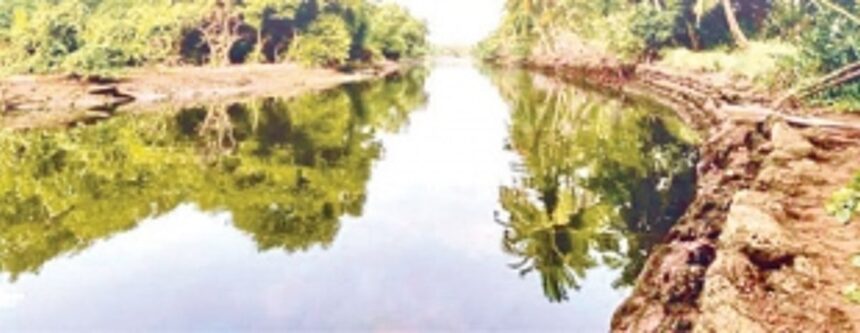
Considered as the most polluted river of Goa, Sal is among six rivers designated as national waterways. But in what has come as a huge disappointment, findings of Inland Waterways Authority of India’s (IWAI) independent study opined that the river’s dredging work is not feasible.
This was in connection to the tripartite agreement the State government had signed a year ago with the Inland Waterways Authority of India (IWAI) and Mormugao Port Trust (MPT) for the development of six inland rivers as national waterways.
Highly placed sources said that in response to IWAI’s communiqué sent to the government about a month ago, the local authorities have requested the central agency to re-consider its decision after examining report of the ongoing Environmental Impact Assessment (EIA) study.
The National Institute of Oceanography (NIO), which is carrying out the EIA of the river, is expected to submit its report to the government next week. Sources said a copy of the report will also be forwarded to the IWAI in an attempt to reconsider its decision on developing the river under National Waterways Act.
At the same time, the government has processed its file to take up dredging of Sal using its own resources and funds. “If the IWAI does not change its decision, the State government should be ready to undertake dredging at its own cost and hence, NIO was appointed to conduct EIA a year ago. Once the files are cleared, State will commence dredging of River Sal,” an officer revealed. “If IWAI revises its decision, it will reimburse the amount to the State government,” he added.
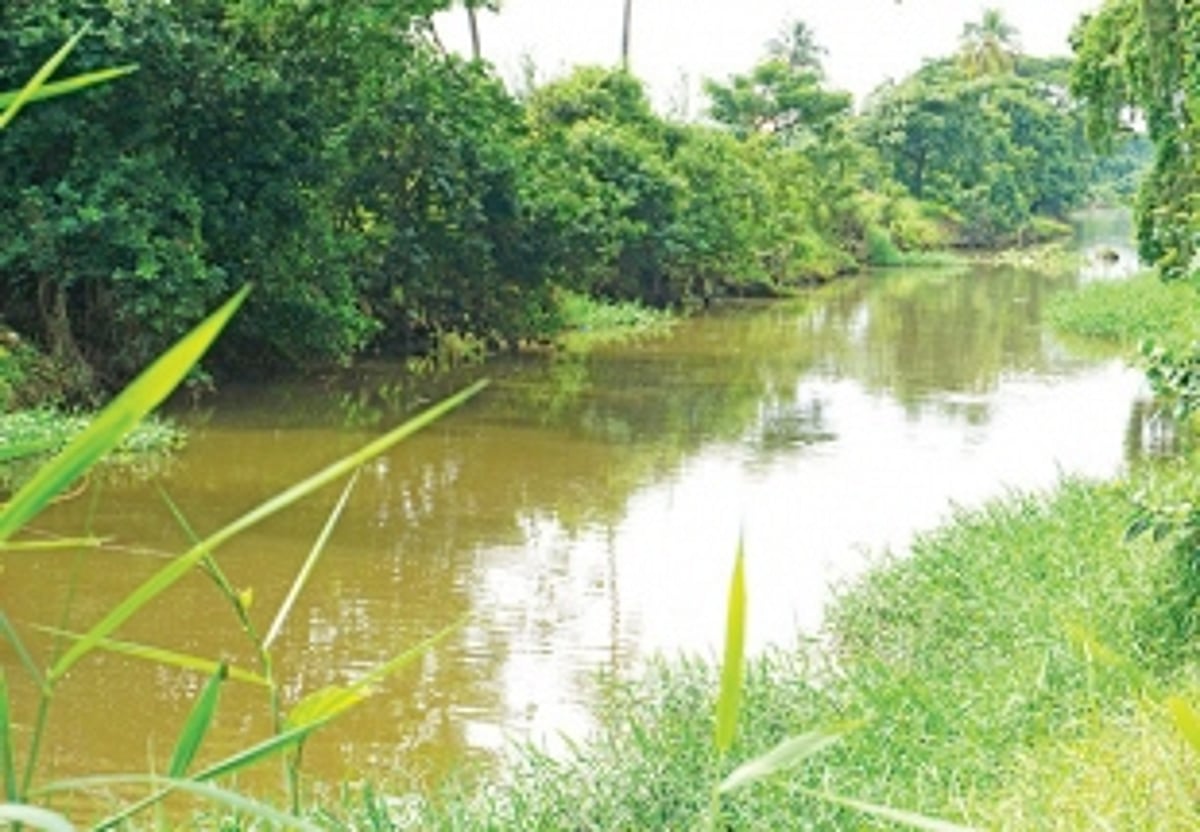
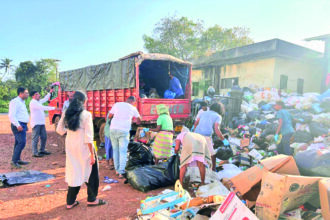
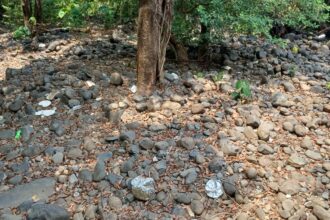
Preliminary EIA findings confirm that the main cause of pollution of River Sal is dumping of waste and sewage while the river bed is clogged with silt and other debris. “These dumps obstruct the natural tidal flow in the river and slow down the tidal flushing. Hence desilting is required to improve the river flow,” the study states.
The Central Pollution Control Board has rated Sal as one of 11 most polluted rivers, which is struggling for its existence. “Sewage discharge by urban population, cattle washing, solid waste dumping are major issues the river is facing, which are caused due to habitation across the river bank. River water is not anymore safe for bathing, fishing or other recreational activities,” the report stated.
Sal flows through urban areas like Verna, Margao, Navelim, Benaulim, Varca, Orlim, Carmona, and Dramapur before it discharges into Arabian Sea. CPCB has classified Sal River (from Khareband stretch to Mobor) under priority III, having BOD (bio-chemical oxygen demand) level range between 10-20 mg/lit. Almost 22 kms of the river stretch is polluted.
Part of six rivers – Mandovi (44 kms), Zuari (50 kms), Cumbarjua (17 kms), Chapora (33 kms), Mapusa (27 kms) and Sal (14 kms) – have been declared as ‘national waterways for the purpose of shipping and navigation,’ by the Centre.