KERI (SATTARI): The recent killing of four tigers in Golauli, Sattari has come as a rude shock to Goans everywhere, with many demanding that the Mhadei wildlife sanctuary be declared a tiger reserve. While the presence of the tiger in Goa is a given, Forest Department seemed to have been in denial mode up to 2012.
In 2013, after confirmation by the camera trap method, the department confirmed the presence of the big cat. But, while the department may have had apprehensions, tigers have been worshipped in Goa for decades now, says environmentalist Rajendra Kerkar.
Kerkar says tigers have a place of significance in cultural and religious traditions and there are many strands scattered in different areas with tigers worshipped as a deity. “In Goa, the tiger was once perceived as essential to keep the ungulates and herbivorous away from the ripened crops, thus protecting the fields,” he says.
Inquiries further revealed that among the tribes of Colamb, in Sanguem, there is an annual tradition of showing gratitude to the tiger by observing ‘Vagrayamas’ on the new moon day. As per locals, this tradition has emerged from the fact that tigers should not attack their cattle grazing in the jungle.
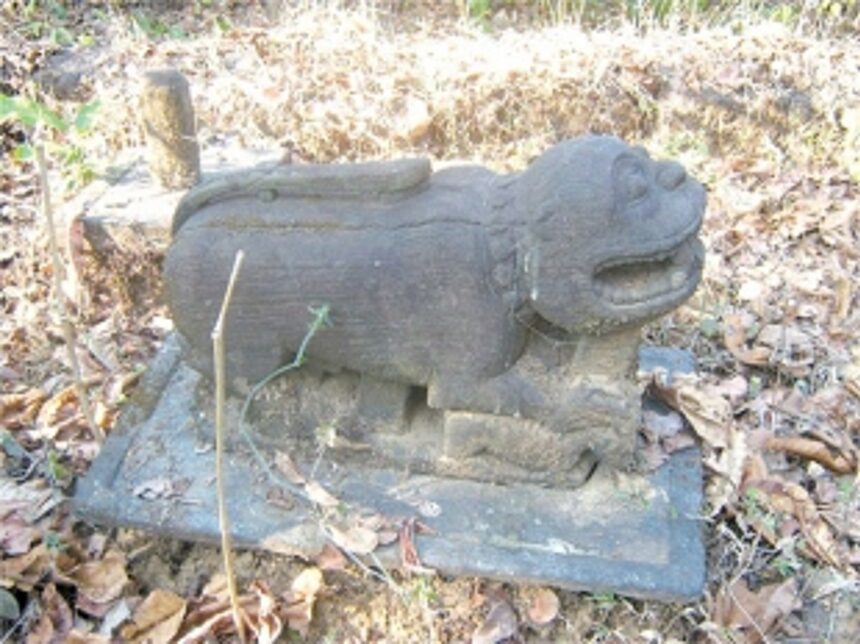
In various parts of Sattari, a folk deity is worshipped with the mount of a tiger. Shantadurga temple of Vaghurme, Ponda, Mahadev of Cacora, Ravalnath of Mhavus – Sattari, Paik Dev of Cotardi, Sanguem, Kupeshwar of Curpe and many more temples of Goa have the tradition of tiger worship. Vagro is worshipped sometimes in the form of an idol of a tiger or a memorial stone among the affiliate deities.
Puti Gaonkar of Netravali says worshipping the tiger ichnographically is a tradition among the forest dwelling communities. “We worship tiger culture with the hope that our cattle and our family should get protection from the tiger,” he says.
During the last quarter century Netravali was densely forested and wild animals like tigers roamed freely without any fear from human beings, villagers say.
As the tiger is the mount of goddess Durga and Lord Shiva and is called as ‘vyaghamber’ he is respected. In Vaghure, near Pissurlem of Sattari there is an independent temple of Vyaghureshwar. In this area no one kills the tiger with the fear of wrath of Vyaghureshwar. Tigers were revered as god says Sanjay Sadanand Tendulkar, a resident of Sattari.
Built without concrete these temples still exist, and there is need to accord protection to this shrines and culture as they are heritage sites inherited from our ancestors, says environmentalists Rajendra Kerkar.