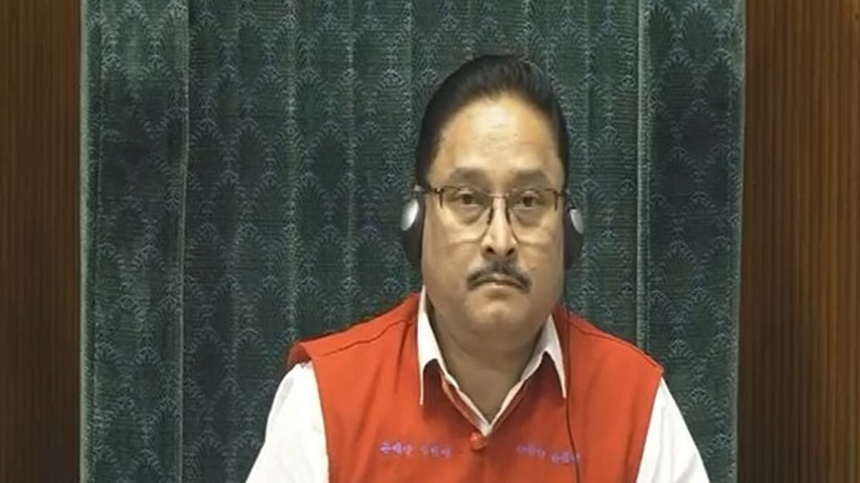
South Goa Member of Parliament (MP) Captain Viriato Fernandes of the Indian National Congress (INC) raised concerns over the Coastal Shipping Bill 2024 during his address in Parliament, highlighting several areas where he believes the bill falls short and offering suggestions for improvement.
One of the main points Captain Fernandes stressed was the bill’s grant of significant discretionary powers to the Director-General and the Central Government, which he argued could lead to favouritism and a lack of transparency. He pointed out that the bill’s centralized decision-making structure, coupled with the absence of clear criteria for granting exemptions or imposing penalties, could disadvantage smaller operators and create an uneven playing field in the industry.

Additionally, Fernandes expressed concerns about the lack of independent oversight and transparency in the bill’s decision-making processes. He warned that this could potentially distort the market and undermine accountability and impartiality within the sector.
In his address, the MP also raised the issue of the difficulty faced by Indian Deck Officers and Engineers in obtaining the Certificate of Equivalent (COE) from the Mercantile Marine Department (MMD) to sail on Indian-registered ships. Many Goan seafarers, in particular, would benefit from amendments in this regard, as they often hold competency certificates from foreign flags but face challenges in getting recognition for Indian vessels.
Fernandes also addressed the struggles faced by inland vessel crew members in joining the coastal shipping sector, citing issues related to certification and training requirements.
To improve the bill, Captain Fernandes made several suggestions to the government:
Promote Domestic Shipbuilding: Encourage Indian shipbuilders to install machinery and equipment on coastal ships that are, as much as possible, manufactured in India.
Delegate Certification Authority: Grant the authority to issue statutory certificates for ships to the International Association of Classification Societies (IACS).
Provide Fuel Subsidies: Introduce a fuel subsidy specifically for coastal vessels.
Support for Hybrid Vessels: The government should support the infrastructure needed for hybrid vessels, including the installation of battery stations at reduced tariffs in ports.
Shore Power Accessibility: Ensure that when coastal vessels dock at ports, shore power is readily available. This would reduce the carbon footprint and provide the opportunity for ship staff to perform equipment maintenance.
Collateral-Free Loans: Provide collateral-free loans for the construction of coastal vessels, with the vessel itself being used as collateral, under a government-backed scheme.
Captain Fernandes concluded his address by emphasizing the need for the government to take proactive measures that would foster growth and sustainability in the coastal shipping industry while supporting local stakeholders.