A major shift in US trade policy could unlock one of the largest tariff refund exercises in history, with indirect implications for Indian exporters.
During Donald Trump’s presidency, the United States imposed steep tariffs on a wide range of imports, including goods from India, under an emergency law that bypassed clear congressional approval. However, in February this year, the US Supreme Court ruled the tariffs unconstitutional, effectively striking them down and triggering a potential refund wave.

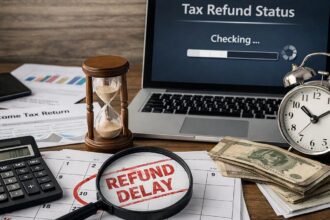
Following the ruling, US Customs and Border Protection (CBP) launched a new system called CAPE (Consolidated Administration and Processing of Entries), which went live on April 20, 2026. The portal allows importers and customs brokers to begin filing claims for refunds on duties paid under the now-invalidated tariff regime.
According to trade estimates, total refunds could exceed $166 billion, with Indian-linked goods accounting for roughly $10–12 billion. These are largely concentrated in sectors such as textiles and apparel, engineering goods, and chemicals.
However, the structure of the system means Indian exporters cannot directly claim refunds. Only US importers or customs brokers who originally paid the tariffs are eligible to apply. This creates a layered impact where Indian goods are involved, but the financial benefit initially flows to American firms.
Experts note that Indian exporters may still benefit indirectly through rebate-sharing agreements, revised pricing contracts, or improved competitiveness in future orders. Much will depend on negotiations between exporters and US buyers.
Over 56,000 importers have already registered, with claims expected to be processed over the coming months. Approved refunds may typically be issued within 60–90 days, though documentation challenges and system issues could slow processing.
The development is being seen as a significant moment in global trade recalibration, with potential to improve margins and restore pricing balance for affected Indian export sectors.