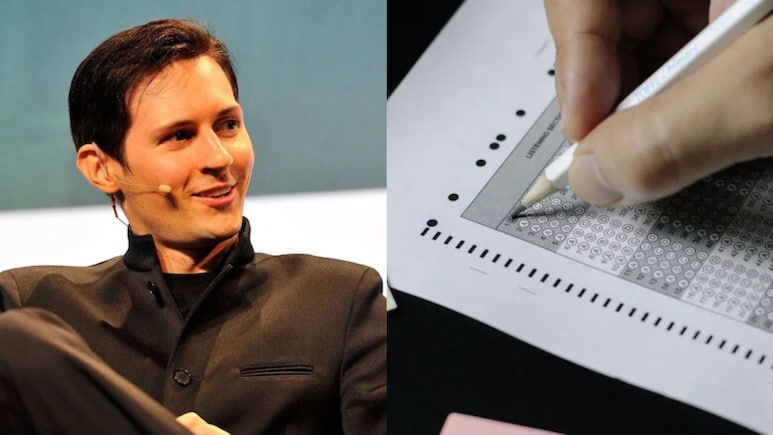
India’s temporary ban on Telegram ahead of the NEET-UG 2026 re-examination has triggered a heated debate over exam security, misinformation and digital freedoms. The Centre restricted access to the messaging platform until June 22 following recommendations from the National Testing Agency (NTA), which cited concerns over organised cheating networks and the circulation of fake paper leak claims.
Telegram founder and CEO Pavel Durov criticised the move, arguing that it unfairly affects more than 150 million Indian users while doing little to stop those responsible for spreading leaked material. According to Durov, users involved in malpractice simply shift to other platforms when restrictions are imposed.

The NTA clarified that no fresh paper leak had prompted the decision. Instead, officials said misleading messages and fabricated leak claims were creating panic among candidates ahead of the June 21 re-examination. The agency also pointed to Telegram’s message-editing feature, which it claims has been used to alter older posts and falsely suggest that question papers were available before exams.
Authorities have also ordered restrictions on Telegram’s editing feature in India until June 30. The NTA maintains that the measures are necessary to protect the integrity of the examination process.
However, digital rights groups and cybersecurity experts have criticised the move as disproportionate. Critics argue that blocking an entire platform affects millions of legitimate users while offering only a temporary solution to a larger problem. The controversy has reignited questions about balancing exam security with online freedoms in India.