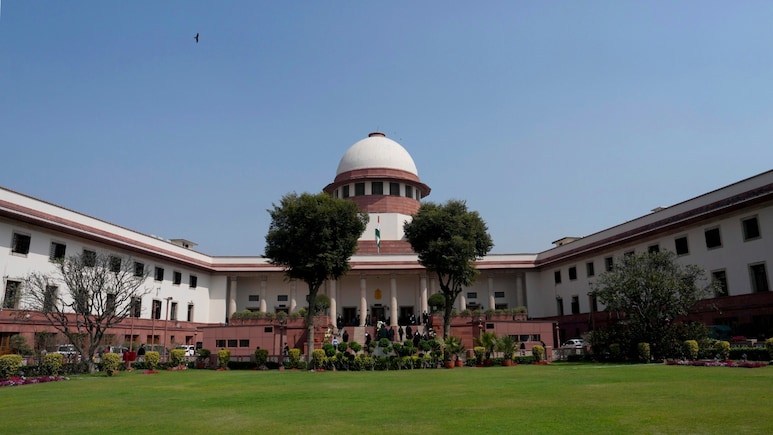
The Supreme Court on Tuesday directed that the status quo be maintained in the ongoing dispute over ethanol allocation for the Ethanol Supply Year (ESY) 2025-26, while hearing an appeal filed by Bharat Petroleum Corporation Limited (BPCL) against a Karnataka High Court order.
A vacation bench comprising Justices M.M. Sundresh and Sheel Nagu issued notices to the Union government and 23 dedicated ethanol manufacturers that had earlier secured relief from the Karnataka High Court. The matter will now be taken up after the court reopens.

The Karnataka High Court had directed Oil Marketing Companies (OMCs), including BPCL, Indian Oil Corporation (IOC) and Hindustan Petroleum Corporation Limited (HPCL), to consider representations from dedicated ethanol producers seeking enhanced ethanol allocation under long-term supply agreements.
Appearing for the Centre and BPCL, Attorney General R. Venkataramani argued that the High Court’s order could disrupt the Centre’s nationwide ethanol blending programme. He told the court that supply contracts for the 2025-26 ethanol season had already been finalised in October 2025 following a nationwide allocation exercise.
Venkataramani further submitted that increasing allocation for one supplier could trigger similar demands from other ethanol producers, potentially opening the floodgates for litigation and affecting the implementation of the government’s ethanol blending policy. He also informed the bench that similar cases are pending before various High Courts and that the Centre plans to file transfer petitions to ensure a uniform legal decision.
Taking note of these submissions, the Supreme Court directed that the existing allocation system should remain unchanged until the next hearing.
The dispute centres on whether dedicated ethanol plants, established under government policy and operating under long-term offtake agreements, are entitled to preferential allocation. While the manufacturers argue that such agreements guarantee them higher allocations, the Centre maintains that altering completed allocations could disrupt the supply chain and affect India’s target of increasing ethanol blending in petrol. The Supreme Court’s interim order ensures that the current allocation process will continue until the matter is decided.