Norah Takkekar
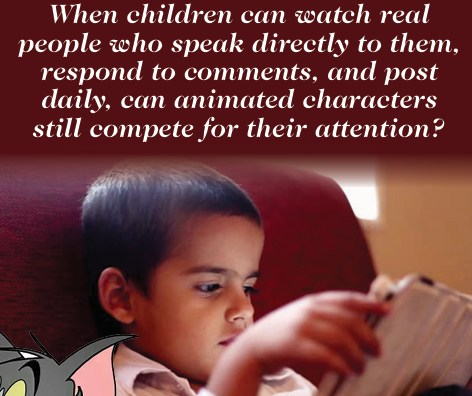
Gen- Alpha is the first truly digital native generation. Unlike previous generations, who watched the evolution of technology, Gen Alpha was born into it. They have never known a world without smart-phones, touch-screens and intelligent technology. They met YouTube before nursery rhymes and voice assistants before they could speak in full sentences. It is no wonder they’re exceptionally comfortable with technology. THE GREAT CARTOON SHIFT Boomers had Bugs Bunny; Millennials had Tom and Jerry; Gen-Z had SpongeBob SquarePants and Gen Alpha have a guy wearing a hoodie, yelling at Minecraft characters. Millennials and Gen- Z grew up watching cartoons and animations that defined entertainment during their developmental period. On the other hand Gen- Alpha (children born roughly between 2010 and 2025) are redefining childhood entertainment, they are increasingly moving away from traditional cartoons and embracing more wide and interactive digital entertainment platforms like Youtube and Instagram. Over the past decade, traditional cable cartoon viewership has plummeted by roughly 80% to 90%, since their target audience has heavily shifted toward on demand streaming platforms like YouTube. The growing influence of digital trends, humorous challenges, daily experiences, and skits appeal to the young audience more because they find it real and relatable.

DOES REAL FACE FOSTER STRONGER BONDS?
“I like watching Salish. Salish makes interesting videos, she makes fun of Jordan, and they do challenges to win the top metal cup” says 10-year-old Avni Dabolkar from Panjim. The young generation feels a more personal connection with real life creators because creators can communicate directly with their audience, something that was not possible for previous generations, who lacked the interpersonal communication technologies we have today. The key is that the content has to hook them early. Growing up in the YouTube era means their filters for boring content are extremely sharp. It is not that their attention spans are extremely bad, they can focus intensely on things they care about, but they won’t give a second chance to content that does not capture their interest. Creators are challenged to deliver immediate value, a striking visual, a compelling story, and an interactive element. The first few seconds are everything. “I don’t watch cartoon, I like watching Nastya, I like her acting and colour challenges” says 5 year old Ruhi Khobrekar from Bicholim. GEN-ALPHA DOESN’T GET THE HYPE “Cartoons are childish” says Avni “I tried introducing her to a few cartoon but she didn’t like them, she got bored of them after awhile and then she switched to YouTube again.” expresses Duhita Dabolkar a nineteen year old, older sister to Avni. Traditional cartoons, which the previous generations enjoyed, offered escapism through talking animals, fantasy worlds, and clear moral lessons wrapped in bright colours and simple plots. But for Generation Alpha, the same content can make them feel disconnected from the world they actually inhabit. Every generation’s entertainment has evolved, childhood entertainment has always moved with the times, just faster now with the development of technology and digital culture. Their preference for interactive, fast-paced, personalised media reflects on the way society as a whole now consumes content. Rather than seeing this shift as a loss of traditional childhood experiences, it can be viewed as a transformation. Just as cartoons once replaced older forms of entertainment, new digital platforms are now reshaping storytelling and engagement for the youngest generation. Understanding these changes helps bridge the gap between generations and highlights how entertainment continues to evolve with time. In households with Gen Alpha kids, YouTube reigns as the go-to platform. Gen Alpha uses YouTube regularly, whether it’s on their television, tablets, laptops or phones. On average, children spend about 84 minutes (nearly 1.5 hours) per day on the platform. Making YouTube the only platform that both kids and their parents highly engage with together.
NOT JUST ENTERTAINMENT BUT ALSO A LESSON
“She watches YouTube shorts and few videos American YouTubers make, whereas the cartoons I used to watch were basically just entertainment and fun, but what she watches are real life videos that end up influencing her like they make shopping video, challenges, hauls etc. But sometimes she used to watch these quiz videos, challenges and all, where she learnt a lot from. If you ask her any country flags she knows most of them, she learnt that from those videos” Says Duhita Dabolkar a nineteen year old, older sister to Avni Dabolkar. Kids aren’t just consuming content but also learning from it. In today’s fast-paced world, adults have to work hard to keep up with children who seem to know everything. “I watch various kinds of content, educational ones about how things are made, gaming videos, reaction videos and movies too” says Ronit Khobrekar a 16 year old, older brother to Ruhi. With endless data at their fingertips and their naturally curious nature children are absorbing a huge amount of information through the internet, often without even realising it.