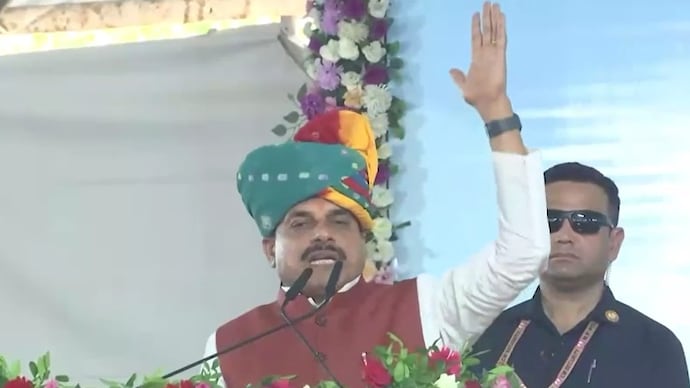
Madhya Pradesh Chief Minister Mohan Yadav on Friday strongly backed the implementation of a Uniform Civil Code (UCC), arguing that there should be a common set of personal laws for all citizens regardless of religion. Speaking at an event in Bhopal, he said marriage and family laws should apply equally to everyone.
Questioning the existence of different personal laws, Yadav said, “Why should the law be different for a Hindu and a Muslim? If Ram marries only once, why should Rahim be allowed to marry three or four times?” He added that Muslim women deserved equal protection and asserted that only those who marry once would have the legal right to live in Madhya Pradesh.

The Chief Minister also referred to the abolition of instant triple talaq, saying the practice had ended and that anyone attempting it would face legal consequences. “Everyone has the right to only one marriage,” he said.
Yadav’s remarks come as several BJP-ruled states move towards implementing a Uniform Civil Code, which seeks to replace religion-based personal laws with a common legal framework governing marriage, divorce, inheritance and adoption.
The comments also come ahead of the Monsoon Session of the Madhya Pradesh Assembly beginning on July 20, where the government is expected to move forward with a UCC Bill.
Earlier this week, a committee headed by former Supreme Court judge Justice Ranjana Prakash Desai submitted its report to the state government. The panel studied laws relating to marriage, divorce, maintenance, inheritance, adoption and live-in relationships. Its recommendations have been forwarded to the law department for examination.
According to Yadav, the committee consulted representatives of various communities and received suggestions from over 10 lakh citizens. He also criticised the Congress, alleging it failed to participate constructively in the consultation process and viewed the issue through a “Hindu-Muslim prism.”