ANIL KUMAR MISHRA
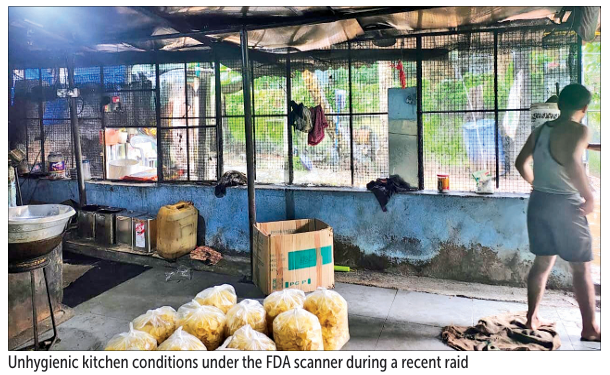
More than 2,300 kg of food products have been destroyed and Rs 29.09 lakh in penalties imposed as the Food and Drugs Administration (FDA) steps up its crack down on food safety vio lations across Goa, with surprise inspections now being carried out from late evenings and nights to early mornings. The intensified enforce ment comes ahead of the festive season, when de mand for sweets, snacks, dairy products, meat and other food items typical ly surges, putting a wider range of food businesses under the FDA scanner. According to FDA Di rector and Commissioner of Food Safety Shweta S Dessai, the department has conducted more than 35 special enforcement drives across the State since April this year, cov ering more than 325 premises. The inspections have extended beyond conven tional restaurant checks to small gaddas, roadside eat eries, manufacturing units, ca terers, supermarkets and other food stores, with teams checking hygiene, storage, handling and compliance with provisions of the Food Safety and Standards Act and allied regulations. The enforcement has already resulted in the destruction of more than 2,300 kg of non-com pliant food products, includ ing biscuits, sweets, cashews, paneer, tofu, farsan, mava and chicken. “I have collected Rs 29.09 lakh in penalties for various food safety violations from April 2025 to date. We have also filed 36 adjudicating cases before the respective District Collectors in connection with cases involving substand ard food during 2025-26 and thereafter. Of these, 18 cases have been decided, with penalties totalling Rs 10.45 lakh imposed on the offenders,” Dessai revealed. The FDA’s enforcement is not confined to food safety vi olations. Dessai said the department has also collected Rs 6.68 lakh in fines under the Cigarettes and Other Tobacco Products Act (COTPA) from April 2025 till date. For the food industry, however, the heightened scrutiny is particularly significant as concerns over adulteration and substandard raw materials remain widespread. Santosh Sangam Divkar, president of the Small and Medi um Hoteliers Association of Goa, welcomed the intensified action but said the FDA needed to pay particular attention to dairy products, especially paneer. “This is a good step. Something needs to be done, as is happening in Maharashtra. There should be greater focus on dairy products, particularly paneer, as a large quanti ty of it comes to Goa from Maharashtra and Karnataka. Many restaurants are using ‘analogue paneer’, which is unhealthy. Food contamination is a serious issue and once effective checks are put in place, many other things will au tomatically fall in line,” Divkar said. He said food safety was also closely linked to Goa’s rep utation as a tourism destination, with visitors paying pre mium prices for meals while expecting basic standards of safety and quality. “These raids also help build confidence among people and tourists. Tourists come to Goa and pay high prices for food, so if the food being served is adulterated or unsafe, it affects Goa’s image as a tourist destination. It simply does not make sense. Some tourists even come to Goa carry ing prepared food and cook for themselves. Why do they do this? There is a certain ‘trust deficit’ when it comes to the quality and safety of food. If products such as analogue paneer are removed from the market, many things will improve. The government machinery should focus more strongly on adulterated food and put effective checks and balances in place,” Divkar added. The affordability pressures faced by hotels, he said, could not justify compromising on food safety. “Hotels may not always be in a position to purchase ex pensive paneer, but that cannot come at the cost of food safety. The focus should therefore be on ensuring that adul terated and substandard food products are kept out of the market while making safe and genuine food products ac cessible to food businesses,” Divkar said. Another hotelier, speaking on condition of anonymity, said the intensified inspections were particularly impor tant during the monsoon, when food contamination risks can increase. “Raids are intensified during the monsoon, and this is a good step for public safety, especially as many people are using used cooking oil. Proper protocols have to be followed to ensure food safety, and it is good that the of ficers are conducting strict checks. There are also some unlicensed operators in the food business who bypass the prescribed protocols, so regular inspections are necessary. Contamination is a major concern, with adulterated food and raw materials posing the biggest risk. There is also a lot of fake paneer in the market, with several people buying and selling it. This is a serious issue that needs to be ad dressed. With the FDA becoming stricter and intensifying inspections, there is hope that adulterated food products will be identified and removed from the market. Such ac tion will go a long way in protecting consumers.” The FDA is deliberately varying the timing of its inspec tions, conducting checks during late evenings, late nights and early mornings to widen its reach and catch establish ments operating beyond regular inspection hours. The approach has already yielded action against food businesses found violating prescribed standards, with the department expected to continue surprise inspections across categories in the coming days.