TEAM HERALD
PANJIM: Centre for Responsible Tourism, a social arm of the church, has demanded that public meetings for the draft policy be held in tourism destinations facilitated by the Department of Tourism, Goa, and the policy should be made public in Konkani and English and kept at State tourism office, Collectors’ office, panchayats, as well as figure on the Department’s website.
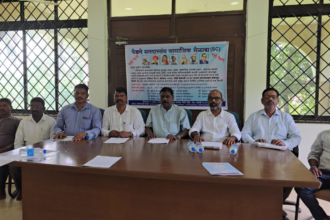
The group also wants a period of 30-day for people to send their suggestions and have called for formation of a Goa Tourism Vision Group. The group should consist of associations, unions of the informal sector in the tourism industry, representatives of workers unions/associations in the formal sector and presidents of zilla parishads of Goa. Alleging that they have been trying to get an appointment with the tourism minister Dilip Parulekar and Chief Minister Manohar Parrikar, Fr Maverick Fernandes addressing a press conference along with Fr Freddy Braganza of CRT and Fr Savio Fernandes of the Council for Social Justice and Peace said before any plan was formulated a critical analysis had to be done that could enable us to say what we want and what we don’t want or don’t require.
Referring to the issues such as casinos, drugs, massage culture and liquor tourism culture, CRT said that whatever brings bad name to the State should be done away with.
“We cannot build our revenue on vices,” Fr Maverick said, “Any plan that is envisaged has to have a critical look at the past.”
Fr Savio of the CSJP also felt that any plan needs to involve stakeholders, even as he stressed that in high-end tourism, local communities do not benefit, but it just drains local resources. “It is so difficult to meet the CM. Umpteen calls to his office have got responses from the staff saying that we will inform you,” Fr Maverick said.
CRT was set up in 2007 as a rallying point for communities and small sectors to organize them and approach the government. Its conviction is that tourism must go beyond profits for big business and multinationals and must, instead, bring benefits to the local communities.
According to CRT, tourism displaces and disadvantages people and leaves them marginalized rather than benefited. For as long as tourism provides mere crumbs under the table for the local working classes and original inhabitants living along the coasts and other tourism locations, it would have lost its purpose.
According to CRT, the proposed high-end tourism is both prejudicial to the working classes who not only deserve a holiday but who spend their money in the local markets unlike the high-end snobbish tourist who visits a five-star (or above) hotel/resort and come with an all-inclusive package where money that finally enters Goa is a bare 12-14% of tourism income. The rest stays behind in the sending country. Even what comes into Goa reach their agents/tour operators who act as the loyal go-between of the external agent and skim off profits that should go to local service providers.