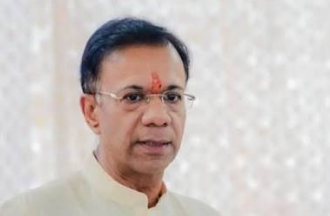
Speaking to media persons, general secretary of the church body, Fr Freddy Braganza accused the government of being biased when it came to dealing with locals but lenient when it deals with big operators. “Under the guise of maintaining the Coastal Regulatory Zone, coastal communities operating on their own land or on government land are being threatened with demolition of their guest houses, huts, shacks or other stalls, when at the same time multi-storied hotels are being set up within the CRZ area,” Braganza said.
The displacement of several such tourism businesses was done with the intention of clearing spaces to facilitate the entry of big business ventures, he said.
Earlier, 17 shacks on the Utorda- Majorda coastal stretch were demolished, just as their guests, most of them foreign tourists, were about to begin their lunch. Similarly, in Candolim, the Tourism department’s demolition squad razed two shacks, in front of tourists. “It was a cruel act, indeed. This act has not only shocked those tourists but has driven them away from our State forever, as per their accounts,” he said.
“This is either politically motivated or some sort of vested interests are involved in both demolitions,” Cruz Cardozo, president of the Shack Owners Welfare Society (SOWS), alleged. Based on a complaint filed by Utorda resident Alex Pereira, the Tourism department issued a notice dated February 10, giving owners seven days to remove their shacks. However, the demolition squad razed the shacks on February 12, Cardozo said. A move that left the local owners shocked, with many worrying about the threat it posed to their livelihood.
Another issue Fr Braganza highlighted was of local self employed tourist taxi operators. “During the peak season, if self-employed tourist taxi operators charge Rs 700 instead of Rs 500 they are termed as cheats, but when a starred hotel raises its fares exorbitantly or if the airline operators fix rates beyond imagination, their acts are referred to as part of business strategy,” he argued.