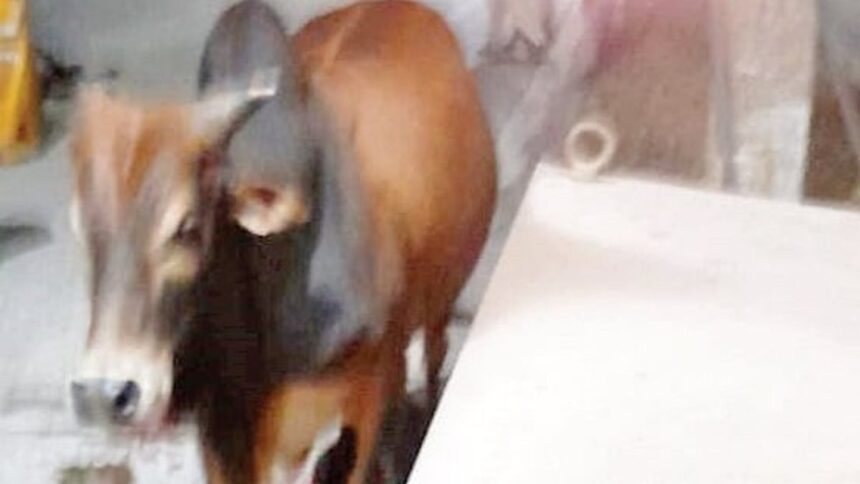
At a time when discourse over the safety and edibility of cows is a controversial subject, the fate of homeless cattle in Goa – a name that some believe is derived from an ancient word for cowherds – is appallingly sad. Stray cattle and black buffaloes that get lost in the inky darkness of unlit, twisty village lanes regularly cause accidents and have even claimed lives. Now, the State is becoming rapidly urbanised, and is riddled with massive wide highways, carrying high-speed traffic. And even on these highways, cattle continue to kill and get killed.
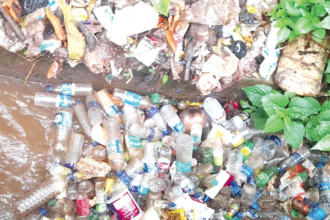
On the Karaswada-Mapusa stretch of the highway, seeing dead, bloated cows and buffaloes on the side and sometimes in the middle has become a frequent affair. These free-roaming cows, some abandoned by their owners, and some born and raised on the streets, stray onto the highways where once their grasslands and vast empty fields were. With fewer unused grazing grounds left, these animals wander to densely populated areas in search of garbage for sustianence. Garbage dumpsters outside eateries and food waste left along the roadsides attracts them and they end up settling or resting on the main roads, with no one to enforce any of the rules regarding stray cattle.

Not only do they get killed brutally and die painfully on our roads, the vehicles that crash into these large creatures with bloated bellies full of plastic also get badly damaged, and can also cause multiple crashes. We cannot blame the cattle – they are animals that suffer this existence for human need and convenience. We cannot blame the driver who hits them, especially on highways with high-speed limits.
It is a failure on the part of grassroots governance, of the high-level governance that has failed to support or enforce the panchayats to carry out this important task of impounding stray cattle and also enforcing strict rules on those who rear cattle and end up abandoning them.