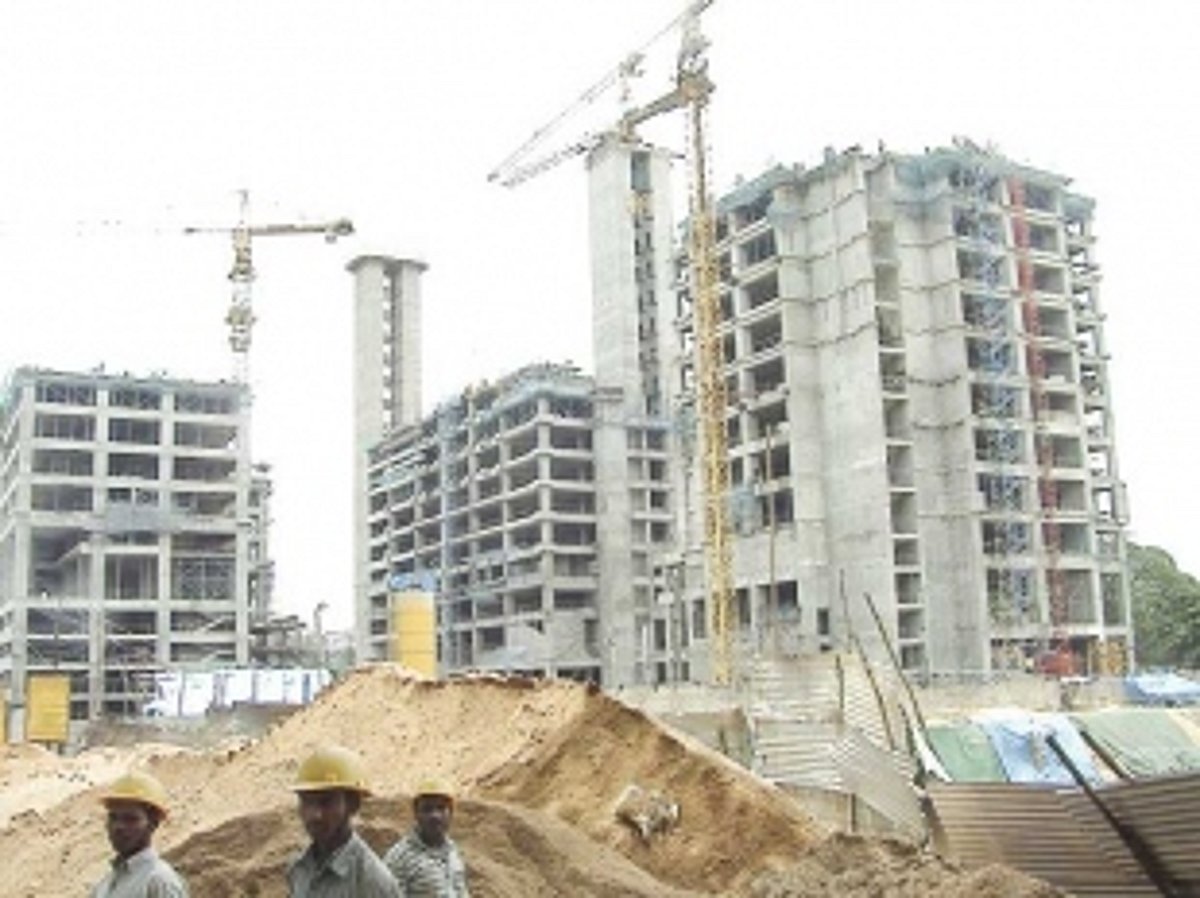
With the new norms in place, the cash-strapped Indian realty sector is likely to see inflows worth Rs 1 lakh crore fund inflows from foreign and domestic investors. The move will help the sector in reducing the high levels of debt in the sector.
REITs are beneficial to both investors and the real estate industry. On the one hand, it provides an exit route for the developer/industry; on the other, it offers investment opportunities in property for retail and high net worth investors. REIT sponsors, usually developers or private equity funds, allow developers to gain liquidity by passing on ownership to unit holders.
What are REITS:
REITs are trading units similar to mutual funds and Exchange Traded Funds for stocks, bonds and other securities. They also serve as financing instruments for liquidity-starved developers. Like stocks, a REIT unit is listed and traded on a stock exchange. However, REITs primarily invest in completed, revenue-generating real estate assets that are less risky than investing in under-construction properties. They can provide regular incomes to investors from rentals received.
REITs receive special tax considerations and typically offer investors high yields, as well as a highly liquid method of investing in real estate.
REITs ensure transparency as investors know what is being bought, including the property’s current value. They also have a realistic income expectation from their investment.
Key changes
u In a bid to make REITs attractive, the capital market regular has incorporated industry suggestions and halved the minimum asset size of REITs to Rs 500 crore from Rs 1,000 crore proposed earlier. With this, the developer will have access to more assets that could be eligible for REIT listing and the lower threshold will help mid-sized developers to participate too.
u While listing, the size of initial offering should be atleast Rs 250 crore and free float of atleast 25 percent is mandatory in the initial offering. Smaller players who don’t have enough rental assets to launch even a Rs 500 crore REIT can float a combined REIT with multiple sponsors subject to maximum of three. Each sponsor should hold at least 5 percent of the units and overall at least 25 percent of the units.
u To check volatility in valuation of asset, Sebi says that no REIT can invest in more than 10 percent in properties that are under construction. REITs will be allowed to invest only in commercial properties. According to brokerage firm JP Morgan, the total size of existing grade A commercial office/ retail market in India in around $50 billion and growing at 12-14 percent rate. Even if a fraction of this gets monetized, the regulations would have served their purpose, it said.
u Clarity on taxation on REITs has been the biggest worry for the real estate industry ever since Finance Minister Arun Jaitley cleared the way for REITs and infrastructure trusts by announcing tax benefits for both, in his maiden Budget last month. Allaying those concerns, SEBI has said that REITs will be taxed only when projects are sold or investment is monetized. Also, when a special purpose vehicle (SPV) is transferred to the REIT, tax will be deferred as mentioned in Finance Bill.
u SEBI has allowed foreign investments in REITs. This will attract pension funds and insurance companies, which have proved as catalysts for REITs markets globally. For retail investors, the minimum investment limit has been left unchanged at Rs 2 lakh.
u As per the final guidelines REITs shall invest in at least two projects with not more than 60 percent of value of assets invested in one project. It has also been proposed that at least 90 percent of the distributable post tax income of the REIT should be distributed among the investors on a half yearly basis so that there is regular income for them.
Risks
u According to real estate consultancy firm CBRE, success of REITs hinges on the returns being offered to investors, which should ideally score well above other instruments available in the market. A negative yield spread over stable investment instruments such as the 10-year Government Securities or the AAA rated corporate bonds could reduce I-REITs’ appeal to investors.
u As Andy Mukherjee in a column points out, ” a sudden inflow of cash could push up the price of existing property, while the pressure to boost yields could see rents rising indiscriminately. To mitigate that risk, India needs to cut the red tape that currently slows down new construction.”
u Here is some uncanny and eerie similarities between FIIs and throwing open REITs to foreigners. FIIs were allowed entry into the country but our country became inured to hot money and our own people lapped it up to launder their black money through the round-tripping process. Dubious money could once again pour into REITS.