Herald Café: What
is the prostate gland?
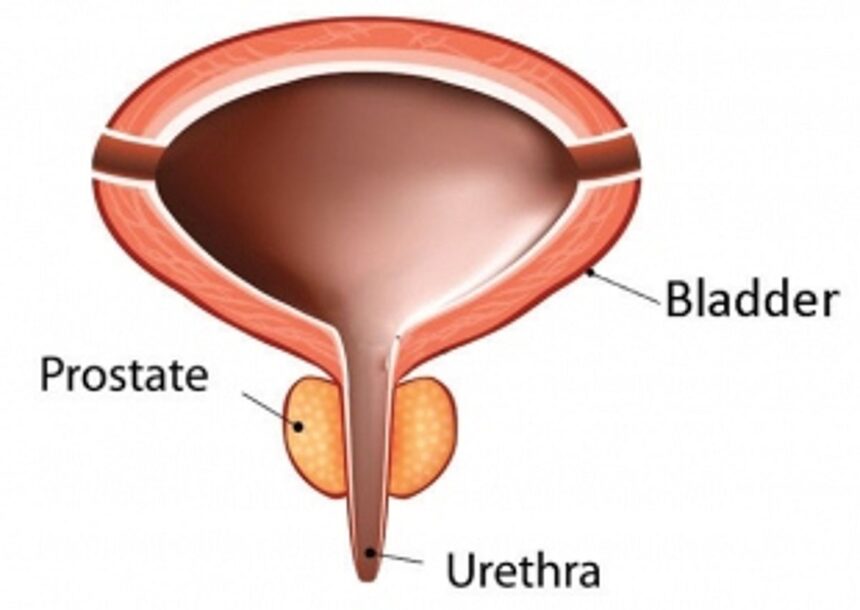
Dr Madhumohan R Prabhudesai: The prostate gland is a part of the male reproductive system,
which rests below the bladder. It secretes part of the seminal fluid that
carries sperm from the testicles.
HC: Why does it increase
in size in some men?
Dr MP: Prostate has a
glandular part and a fibrous part… Either part may increase in size as the
age advances. The prostate increases in size when its glandular part enlarges.
HC: When to suspect that
a man is having prostate problems?
Dr MP: Men above the age of
50 years show prostatic enlargement. The common symptoms that will indicate the
presence of prostatic problems include increased frequency of urination, both
during night and day time, inability to control urine (urgency), long time to
initiate urination (hesitancy), when flow of urine is interrupted and then
restarts (intermittency), slow or weak stream of urine.
HC: What should be done
if a man has any of these problems?
Dr MP: One must consult a
urologist to avoid worsening of the symptoms.
HC: Are there any tests
to confirm prostate problems?
Dr MP: Yes, there are tests
to confirm prostate problems. Blood biochemistry, routine Hb, creatinine are
non specific tests. Specific tests include PSA (Prostate specific antigen) and
Ultrasound of abdomen and pelvis. In very few cases, Urodynamic study is also
conducted to evaluate the pressures in the urinary bladder.
HC: What are the diseases
that can affect my prostate gland?
Dr MP: Prostate gland may be
affected by infection resulting in prostatitis; it may get enlarged, resulting
in benign enlargement of the prostate (BEP) or may develop cancer.
HC: Does drinking beer /
alcohol worsen or cause prostate problems?
Dr MP: Yes, drinking beer
will increase urine production as well as cause swelling of the prostate. This
will cause acute retention of urine in patients with BEP.
HC: Can a prostate
enlarge at an early age?
Dr MP: It is highly unlikely
for the prostate to enlarge at a younger age. Enlargement of prostate in young
people is a sign of malignancy.
HC: Does benign prostatic
hyperplasia (BPH) always lead to prostate cancer?
Dr MP: No, prostate
enlargement may not always result in cancer.
HC: What are the medical
remedies for BPH?
Dr MP: It can be treated
medically as well as surgically. Medical treatment includes administration of
drugs that help in opening bladder mouth (neck) and medicines that help in
reducing the size of the prostate gland.
HC: What are the surgical
options available? Are they safe?
Dr MP: Under surgical
management, 99% of cases are treated endoscopically, which includes TURP; 1% go
for open surgeries. Surgical treatment for BEP is opted for when medical
treatment fails or when patients develop complications of BEP like urinary
bladder stone, recurrent urinary infections, for patients with urinary catheter
and for patients whose kidney functions are deteriorating. TURP and open
surgeries are both safe methods of surgical management.
HC: Can a doctor feel enlarged
prostate by examination?
Dr MP: Yes, a rectal
examination is a very crucial part of prostate evaluation. It helps not only in
diagnosing enlarged prostate but also helps in diagnosing cancer of the
prostate.
HC: Can any medicines
worsen prostate problems?
Dr MP: Yes, some medicines
can worsen prostate problems. Medicines used for cough, common cold,
respiratory complaints, those used for central nervous system problems like
Parkinsonism, psychiatric complaints etc are some of them.
HC: How would you
diagnose prostate cancer?
Dr MP: Prostate cancer can
be diagnosed through serological tests like PSA (Prostate Specific Antigen)
which is a tumour marker for prostate cancer. Increased PSA levels are seen in
cancer prostate, prostatitis, as well as very large BEP. (MRI prostate will
help in the differential diagnosis of these conditions).
For more specific
diagnosis for prostate cancer, a prostate biopsy has to be done.
HC: What is prostatitis?
Dr MP: Prostatitis is the
infection of the prostate gland resulting in urinary infection, retention of
urine and formation of prostatic abscess (pus). Patients with prostate symptoms
along with fever are most likely cases of prostatitis.
HC: Is it true that
prostate cancer may not result in death?
Dr MP: Prostate cancer
behaves differently in different people. Some patients have aggressively
growing cancers and some are very slow growing. Early diagnosis can cure a
patient either by surgery or radiation.
HC: Are there herbal
medicines that work for prostate problems?
Dr MP: There are herbal medicines that are
beneficial in prostate problems. These however should be prescribed by the
experts in that field and are to be taken under their supervision.
Herald Café: What
is the prostate gland?
Dr Madhumohan R Prabhudesai: The prostate gland is a part of the male reproductive system,
which rests below the bladder. It secretes part of the seminal fluid that
carries sperm from the testicles.

HC: Why does it increase
in size in some men?
Dr MP: Prostate has a
glandular part and a fibrous part… Either part may increase in size as the
age advances. The prostate increases in size when its glandular part enlarges.
HC: When to suspect that
a man is having prostate problems?
Dr MP: Men above the age of
50 years show prostatic enlargement. The common symptoms that will indicate the
presence of prostatic problems include increased frequency of urination, both
during night and day time, inability to control urine (urgency), long time to
initiate urination (hesitancy), when flow of urine is interrupted and then
restarts (intermittency), slow or weak stream of urine.
HC: What should be done
if a man has any of these problems?
Dr MP: One must consult a
urologist to avoid worsening of the symptoms.
HC: Are there any tests
to confirm prostate problems?
Dr MP: Yes, there are tests
to confirm prostate problems. Blood biochemistry, routine Hb, creatinine are
non specific tests. Specific tests include PSA (Prostate specific antigen) and
Ultrasound of abdomen and pelvis. In very few cases, Urodynamic study is also
conducted to evaluate the pressures in the urinary bladder.
HC: What are the diseases
that can affect my prostate gland?
Dr MP: Prostate gland may be
affected by infection resulting in prostatitis; it may get enlarged, resulting
in benign enlargement of the prostate (BEP) or may develop cancer.
HC: Does drinking beer /
alcohol worsen or cause prostate problems?
Dr MP: Yes, drinking beer
will increase urine production as well as cause swelling of the prostate. This
will cause acute retention of urine in patients with BEP.
HC: Can a prostate
enlarge at an early age?
Dr MP: It is highly unlikely
for the prostate to enlarge at a younger age. Enlargement of prostate in young
people is a sign of malignancy.
HC: Does benign prostatic
hyperplasia (BPH) always lead to prostate cancer?
Dr MP: No, prostate
enlargement may not always result in cancer.
HC: What are the medical
remedies for BPH?
Dr MP: It can be treated
medically as well as surgically. Medical treatment includes administration of
drugs that help in opening bladder mouth (neck) and medicines that help in
reducing the size of the prostate gland.
HC: What are the surgical
options available? Are they safe?
Dr MP: Under surgical
management, 99% of cases are treated endoscopically, which includes TURP; 1% go
for open surgeries. Surgical treatment for BEP is opted for when medical
treatment fails or when patients develop complications of BEP like urinary
bladder stone, recurrent urinary infections, for patients with urinary catheter
and for patients whose kidney functions are deteriorating. TURP and open
surgeries are both safe methods of surgical management.
HC: Can a doctor feel enlarged
prostate by examination?
Dr MP: Yes, a rectal
examination is a very crucial part of prostate evaluation. It helps not only in
diagnosing enlarged prostate but also helps in diagnosing cancer of the
prostate.
HC: Can any medicines
worsen prostate problems?
Dr MP: Yes, some medicines
can worsen prostate problems. Medicines used for cough, common cold,
respiratory complaints, those used for central nervous system problems like
Parkinsonism, psychiatric complaints etc are some of them.
HC: How would you
diagnose prostate cancer?
Dr MP: Prostate cancer can
be diagnosed through serological tests like PSA (Prostate Specific Antigen)
which is a tumour marker for prostate cancer. Increased PSA levels are seen in
cancer prostate, prostatitis, as well as very large BEP. (MRI prostate will
help in the differential diagnosis of these conditions).
For more specific
diagnosis for prostate cancer, a prostate biopsy has to be done.
HC: What is prostatitis?
Dr MP: Prostatitis is the
infection of the prostate gland resulting in urinary infection, retention of
urine and formation of prostatic abscess (pus). Patients with prostate symptoms
along with fever are most likely cases of prostatitis.
HC: Is it true that
prostate cancer may not result in death?
Dr MP: Prostate cancer
behaves differently in different people. Some patients have aggressively
growing cancers and some are very slow growing. Early diagnosis can cure a
patient either by surgery or radiation.
HC: Are there herbal
medicines that work for prostate problems?
Dr MP: There are herbal medicines that are
beneficial in prostate problems. These however should be prescribed by the
experts in that field and are to be taken under their supervision.