Although the State is
struggling to provide uninterrupted power supply to its people, the commoners
can also do their bit by making modifications in their lifestyle behaviour.
“As we have to conserve water, we need to conserve energy.
People can switch off lights, fans and air conditioners should not be kept on
in the room when there is nobody. We can use smart lighting systems, for
example motion sensor bulbs. Light switches on and off sensing human presence
in the room. That way one can conserve energy in a big way,” said Kaniel
D’Souza.

Army veteran Lt Col Austin Collaco (Retd) said it is important
to fix loose wires and people should avoid power theft.
“Government should take efforts in ensuring an end to pilferage
and theft during power transmission and distribution. Public should also behave
more responsibly and not indulge in these kinds of acts. This will save a lot
of power,” Lt Col Collaco said.
Former lecturer
Sangeeta Naik said that as citizens, we have an important role to play as
citizens. “One of the best ways to reduce the power load and also conserve the
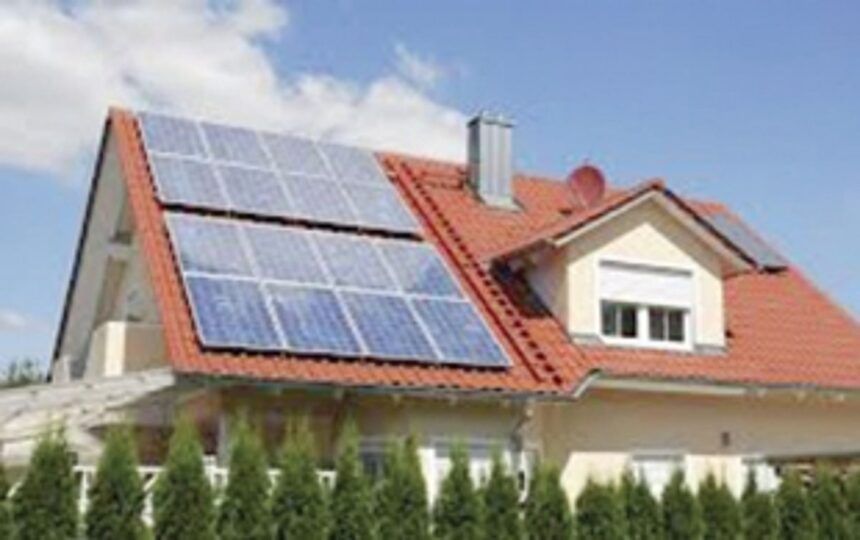
environment is by switching to renewable sources of energy like solar power.
Independent houses, housing societies can install solar panels and link it with
the power grid. This will help in taking the load off the grid and reduce the
demand for power. This will also help in reducing the burning of fossil fuel
for generating power,” she said.
She added that the
power saved could be diverted to industry, which gives employment to hundreds
of people. “Right now the industry is struggling for power. Such steps can go a
long way in resolving the power crisis,” she said.
According to Prof
Satyesh Kakodkar, ‘green buildings’ are the way forward. Buildings with wider
windows for proper light and ventilation could reduce use of air conditioners
and artificial lights, which ultimately will reduce the consumption of
electricity.
“Roofs
of old structures can be painted with SRI paints, which will reduce inner
temperatures so that load on fans and ACs will reduce,” he said, adding,
“laying grass pavers and plantations on the periphery of buildings will reduce
heat in the surrounding areas, thereby making buildings cooler. “Consumption of
electricity will reduce drastically. We can use the saved electricity in the
areas where there is scarcity,” Prof Kakodkar said.