The ferry from Ribandar had just
glided itself from the waters of the Mandovi and lazily moved itself into
position, facing the island of Chorao, over yonder. The rain, hitherto a
distant speck on the horizon, was moving in from the direction of the south west
from the nose of the ferry, spraying different sections of the river as it
moved in quickly towards us like a tracer bullet. Standing on the upper deck,
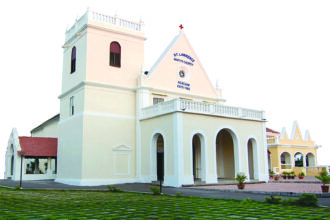
one got an elevated vision of the tip of the Divar Church on the left and the
turrets of the Old Goa church on the right, in the same frame, now enveloped by
the clouds. The moment was an epiphany of the monsoons. The rain, the waters of
the Mandovi, iconic churches, all from the ferry that was now moving towards
the mangroves, hugging the Salim Ali bird sanctuary. The multi-coloured
thrashing of birdlife on the river, normally heard in the winters, were missing
in this period of quiet.
After a little wait on the island of
Chorao, soaking in the drizzle, sitting on an iron bench in front of a stall on
the jetty point, sipping tea, Goa seemed all right. It is here and in many of
the interior villages that you see the Goa of old exploding in its colours and
quaintness. The destination that day was the other island of Divar though.
Chorao was just a little side trip which involved going back to Ribandar
on one of the return ferries, driving to Old Goa to take the Divar ferry and
then driving through easily one of the best countrysides in the world to
the village of Divar. We drove past vast expanses of green, patches of water
bodies and the winding road upwards, leading to the village square with another
branch of the road bending its way to the Divar church.

The date that day was with two
characters, one a peripatetic resident of Divar and the other, a chronicler of
Goa’s history. The resident, we have spoken about often in recent despatches –
Marius Fernandes, the organiser of traditional fests and the passionate
gatekeeper of Goa’s ancient crafts, and Professor Prajal Sakhardande the
chronicler extraordinaire of Goa’s heritage, had agreed to meet yours truly and
Amitava Bhattacharya and his team, whose West Bengal based organisation of
social enterprise is involved in reviving traditional crafts and occupations in
Goa and linking them to markets. It was a meeting of minds, of journeymen at
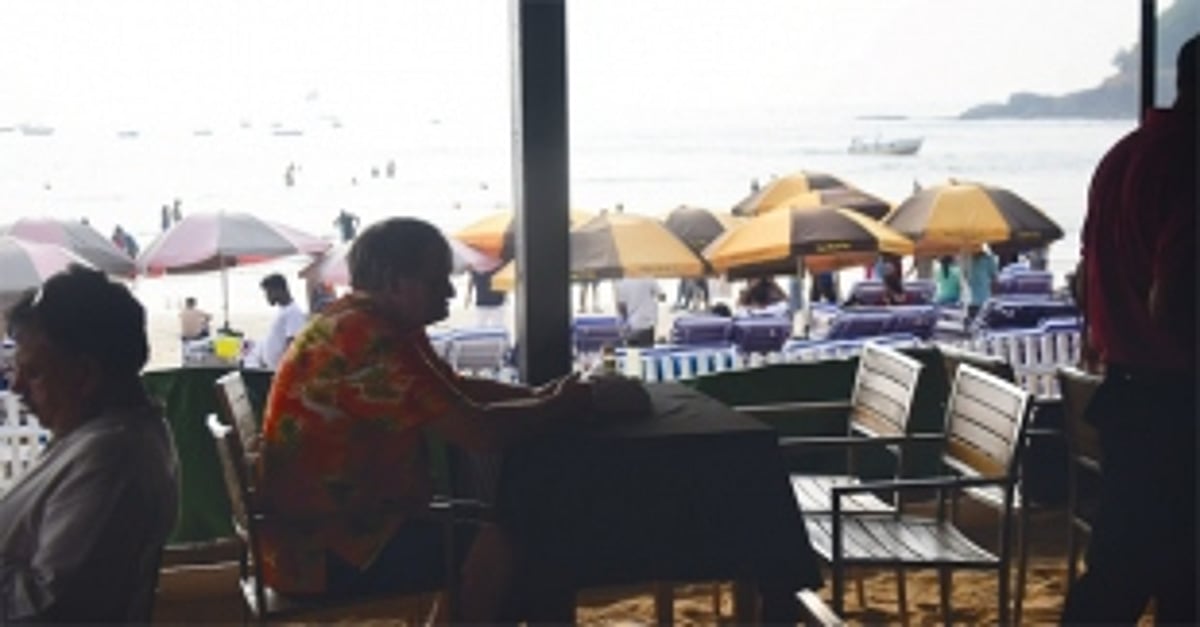
different ends of the same path. Sitting at a local café, next to the home of
writer Mario Cabral e Sa, we chatted over bhaji
and bhajiyas.
It was a simple chat, focused
completely to ensuring that the art, the craft, the music and songs, and the
instruments that accompany them, the plays and jatras, the skills of weaving and using traditional produce remain
active, relevant and recognised, with the world coming to experience and sample
the explosion of creativity that happens in Goa’s villages. At the tea shop,
the buzz remained the same, as it has been for years. Familiar faces darted in
and out, where there are no strangers. An ageing photographer who has seen
better days shuffled in for a glass of tea, this being his virtual home. Elvis,
the singer, whose family owned and managed the legendary Corina restaurant near
the old Panjim post office, sauntered in and had a little chat.
In fact, the journey from Divar to
Panjim, both real and metaphorical, very near to where the Mandovi bridge is
now, in the old post office area, has been a part of the life stories of many Divarkars. Many of the shops, old
restaurants and other establishments were owned by those from Divar, who then
moved and settled down in Panjim.
Divar today has streets with old,
deserted, magnificent homes but all eerily silent with memories draped around
their walls and high ceilings and nestled in the overgrown foliage in their
unkempt gardens.
As we walked the street, the affable
Bombay returned, Ros Picardo emerged from his cottage, greeted us and helped us
identify some of the owners of homes on his street.
The homes of the Gonsalves, Pedro
Fernandes, two Menezes families, including the ones who own the prestigious CMM
group, and that of Sandeep Jacques’ ancestors, (Jacques, now an IAS officer is
posted in the Andamans), are all situated in a line of magnificence, leading
from the small junction which traditionally divides Divar and Mala, with their
two separate churches. And it is during the festival of Bonderam that the
village “rivalries” come to the fore and this division runs across the
festivities. But as time moves on, this ‘rivalry’ is more of a traditional and
quaint hangover with no touch of seriousness.
Marius has an enchanting idea for
this street.
What if all the families came back
for a week and threw their homes open for an art and music festival where the
homes and the streets would be filled with music, dances, and food? It would be
such a homecoming and a reunion of the village’s families, along with music and
dance, the traditional area of expertise of most Divarkars. This would be much like the Fontainhas festival, which
was embraced by the people of Panjim, till it was shockingly misconstrued as a
“Portuguese” festival and stopped.
On the ride back to the mainland of
old Goa, we thought, someday, the boats will ferry back the sons and daughters
of the island, to come back home, at the same time, only if for a week, to
relive the joys of this unique island on the river.