Dolcy D’Cruz
A conversation with
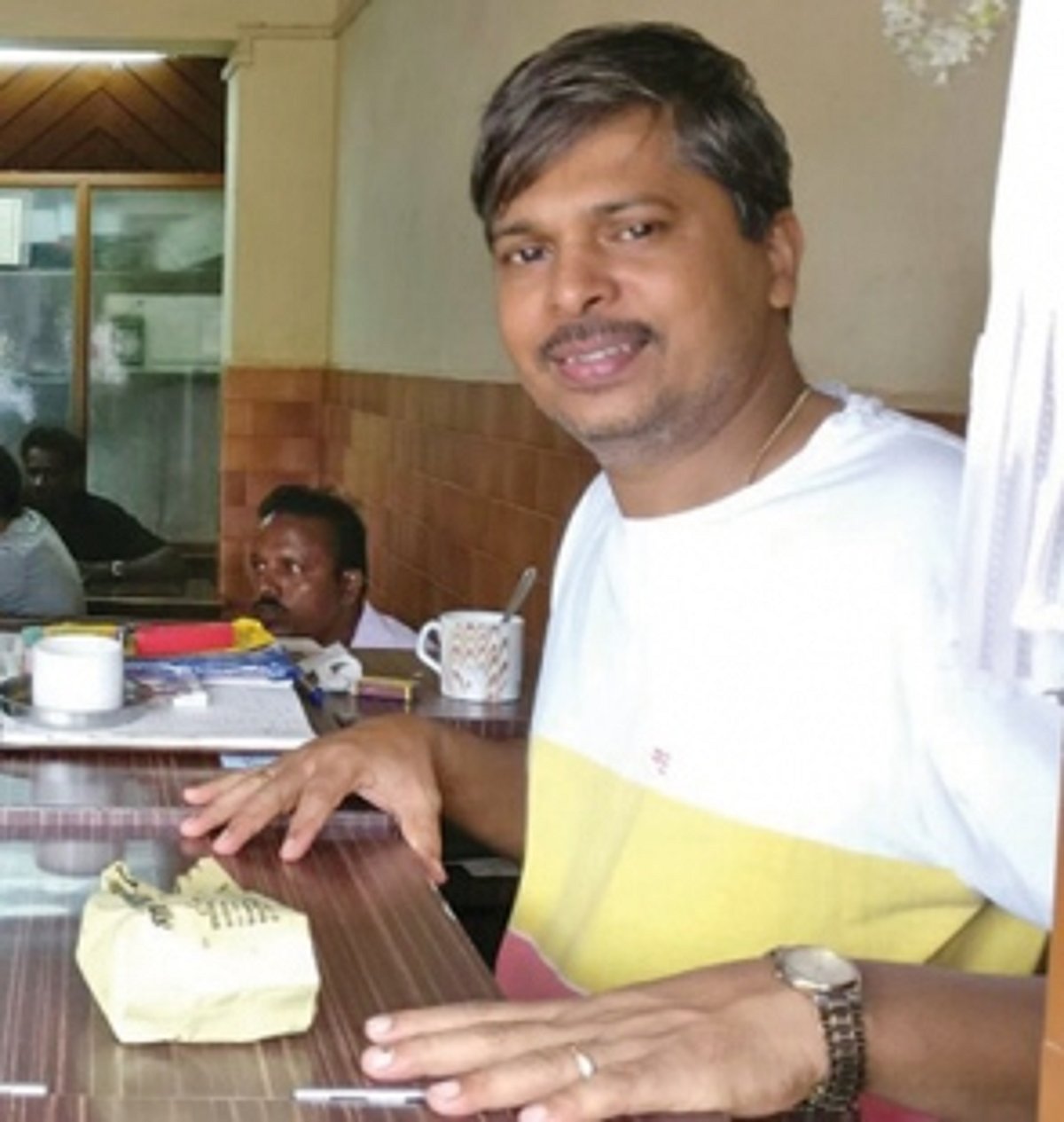
Marius Fernandes will teach you 101 things of Goa that you’ve probably never heard of before. Marius, a true son of the soil, was actually born to Goans Bernard and Antonette Fernandes in Larre, Kenya and lived in the UK before moving to Goa. Eager to do something for Goa, Marius was just 20 when he decided that
he would retire from his job at the British Telecom as soon as he turned 40.
He
returned to Goa in 2000, accompanied by his children, Ashley and Gemma;
Marius wanted them to learn Konkani so they would know more about their roots.
“When I was 9 years old, my mother brought me and my siblings to Goa to learn
Konkani. As Ashley and Gemma were born and brought up in the UK,
I didn’t want them to lose touch with Goa, our home,” says Marius, who
is the grandson of Goan pioneers in Kenya, Mathias Xavier (MX) and Maria Emilia
Fernandes.
In
Goa, Marius made it a practice to constantly travel to different places around the state and connect
with people
in the spheres of music, tiatr and football. “I was inspired by Seraphino
Antao, Mahatma Gandhi, Miguel Rod, Vasco Sports Club (which
got me interested in football) and my hometown team Leicester City in England,” says Marius.
Ashley was just 70 minutes old when he registered as a Leicester football
member.
The turning point for
him was becoming a member of the St Mathias Traditional
Bonderam Committee where he first put the flag of World Goa Day in 2001. “After
witnessing the Bonderam, I realised that the villagers themselves
had a very small role
to play in the village feasts. This had to change.
So over the years, I
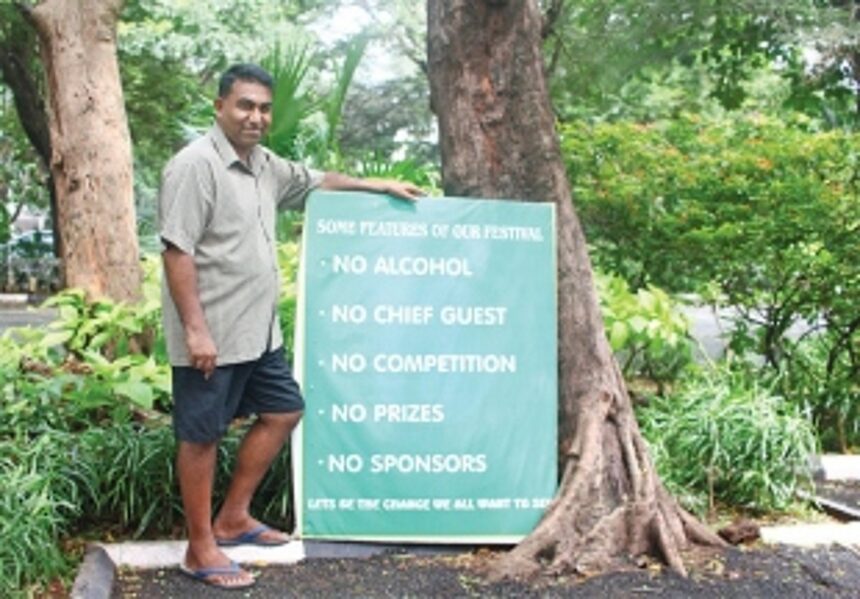
came up with the concept that there would be no sponsors so you are not forced
to invite any chief guests or delay the start of the event, no alcohol so the
children and women could participate freely, and no competitions so
there is complete participation from the villagers hosting the event.
I came up
with aims for the festival like being eco friendly, low cost, multi-cultural,
only Konkani music, only villagers to participate and
to include people of all ages.”
These guidelines now form the core of the festivals organised by Marius in
different parts of Goa.
“Through social media,
our festivals have crossed boundaries and are making
an impact
across the Goan world. I get many requests from villages asking me
to create new festivals for them and I explain my rules, which are compulsory. There are five more festivals being planned right now – ‘Ramponkaranchem Fest’ in Arambol, Diversity
Festival in Khorlim, Old Goa, Earth Festival in Majorda, Drum Festival in
Calangute and ‘Tiatristanchem Fest’ in Candolim,” adds
Marius.