Elsa Angel Rose
Korean skincare and other similar skincare routines, with their elaborate 5–10 steps, are gradually taking a backseat as awareness around mindful and minimal skincare continues to grow. Amidst the overwhelming influx of synthetic products crowding the market, the value of organic, ingredient-focused care has seen a noticeable rise.

There are several potent ingredients, often rooted in traditional practices or backed by emerging research, that remain largely unknown or underappreciated. As the beauty industry evolves, the spotlight is slowly moving toward these hidden gems, redefining what it means to care for skin and hair in a more informed, intentional way.
Overlooked ingredients making waves in skin and hair care
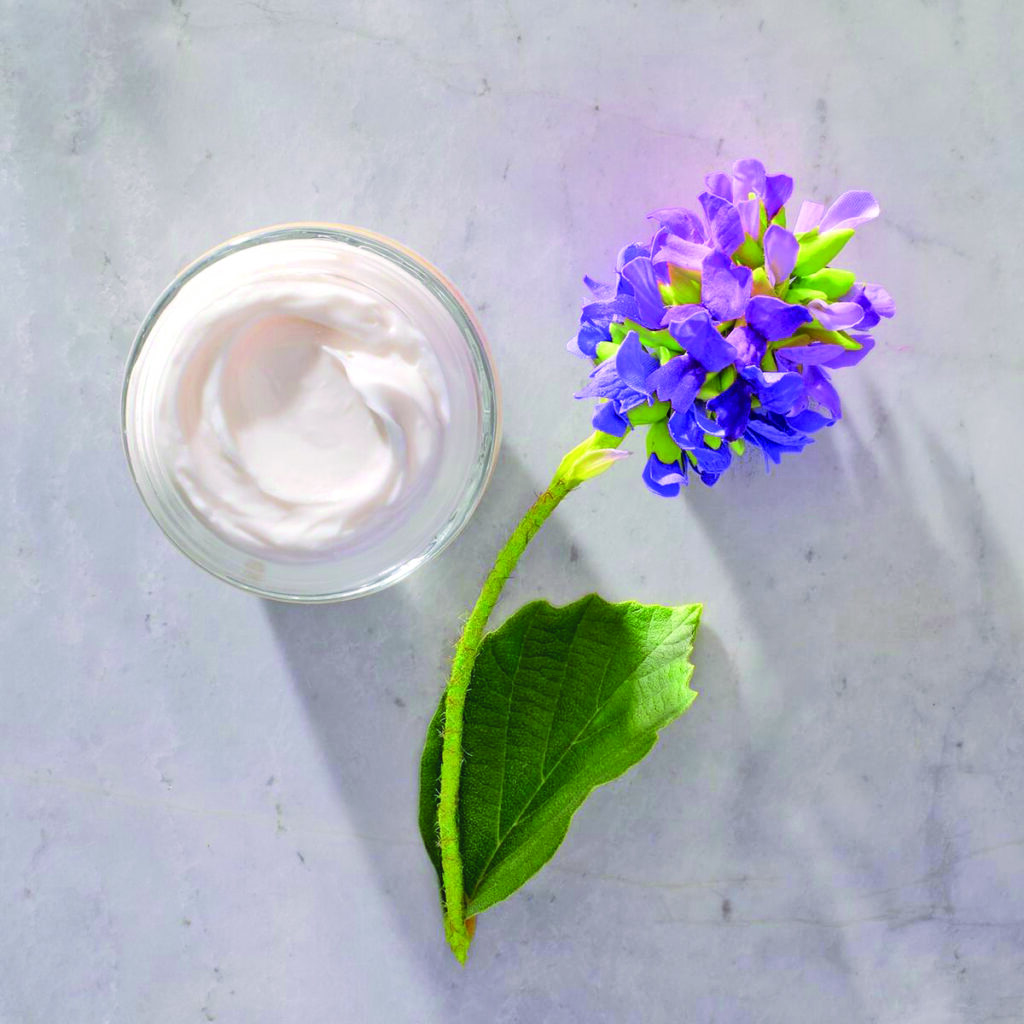
There are numerous ingredients which are highly effective in skin and hair care but are still under the radar. Dr Riszen Fernandes, a medical cosmetologist and founder of a cosmetology clinic, shared, “Bakuchiol, is a gentler alternative to retinol with fewer side effects. Organic / botanical peels (pumpkin, lactic, mandelic, enzyme-based peels) is a gentler alternative to strong chemical peels, with minimal downtime. Rosemary extract is growing interest due to natural hair growth support. Fenugreek (methi) is used for hair fall and scalp health. Flaxseed supports skin hydration and promotes stronger, healthier hair.”
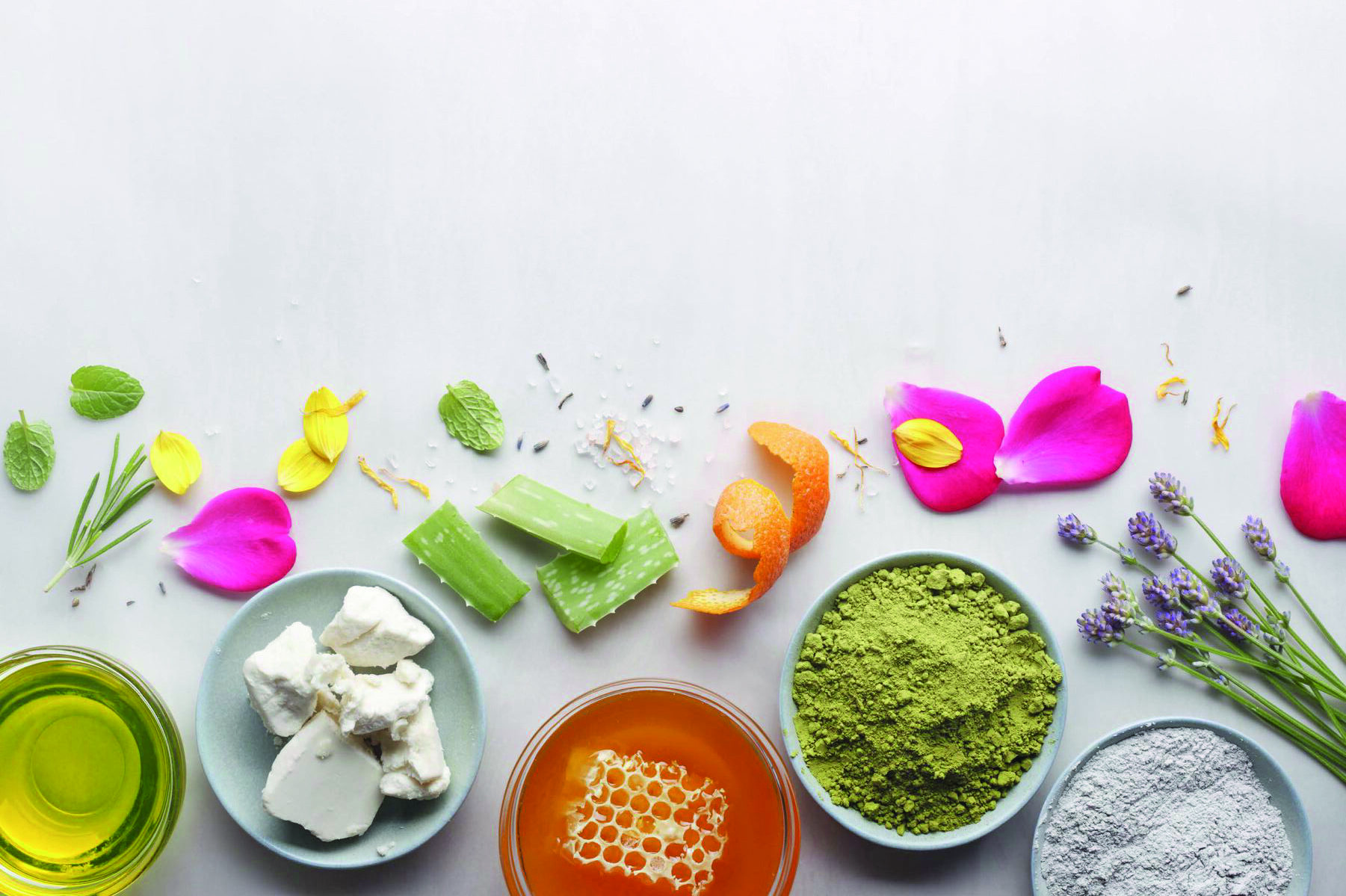
These ingredients, though not as mainstream as widely marketed actives, are steadily gaining attention for their efficacy and relatively gentle approach. Their rise reflects a broader shift towards balancing results with minimal irritation, while also drawing from both traditional knowledge and evolving beauty science.
Traditional remedies making a comeback
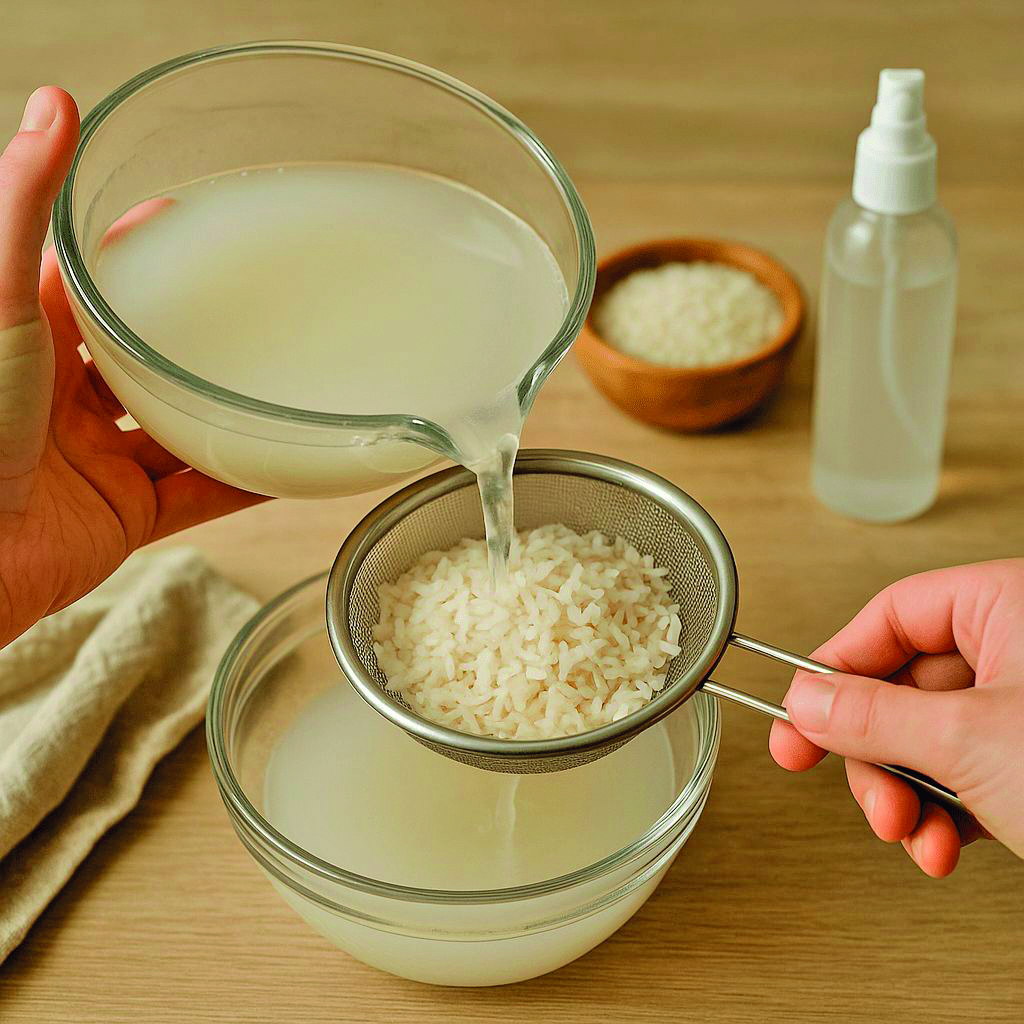
As modern beauty continues to evolve, many age-old remedies are finding their way back into everyday routines, valued for their time-tested effectiveness. Drawing from traditional practices, these natural approaches are being reintroduced with a modern perspective, offering gentle and impactful solutions for both skin and hair care. “Rice water is rich in vitamins and amino acids, helps brighten skin, soothe irritation, and strengthen hair; can be used by soaking rice in water, straining, and using the water for skin or hair. Manjistha bark can be boiled in water and consumed, or powder can be mixed with rose water and applied as a face mask for clearer skin. Ice dunk is briefly dipping the face in ice cold water helps reduce puffiness, tighten pores, calm inflammation, and give an instant glow,” shared Dr Riszen.
When skincare trends do more harm than good
Certain skincare practices today are widely overvalued, often pushed by trends rather than dermatological need. “Over-exfoliation, for instance, is now recognised as one of the most common causes of skin barrier damage, stripping essential lipids and leading to irritation, sensitivity, and breakouts when done too frequently,” said Evelyn a beauty expert from Panjim. Dermatologists have increasingly pointed out that layering multiple active ingredients, such as acids and retinoids, can overwhelm the skin, increasing inflammation without improving results. A rise in younger consumers misusing potent ingredients like retinol and glycolic acid, resulting in compromised skin barriers and long-term damage is also discussed in real time. This has led experts to emphasise that more products or stronger actives do not necessarily translate to better skin, and that misuse can often reverse the intended benefits. “Lemon juice may cause pigmentation and irritation. Baking soda damages the skin barrier. Toothpaste for acne causes irritation. Undiluted apple cider vinegar causes a risk of burns. Harsh DIY scrubs worsen pigmentation and sensitivity,” said Dr Riszen.
Everyday DIY ingredients for naturally healthy skin and hair
- Aloe vera helps soothing and hydrating
- Honey is an antibacterial and moisturiser
- Rice water brightens skin and strengthens hair
- Rose water is calming and refreshing for skin
- Cucumber is soothing and reduces puffiness
- Sandalwood is calming and helps with mild pigmentation
- Milk cream (Malai) deeply moisturizing for dry skin
Simple and effective skincare essentials
- Ice dunk or cold-water splash in the morning to reduce puffiness and refresh skin
- Use rose water during the day for hydration and soothing
- Apply Kumkumadi oil at night 2–3 times a week for glow and pigmentation
- Use rice water rinse 2–3 times weekly for brightening
- Keep routines simple and gentle
- Avoid over-exfoliation or too many actives
- Focus on hydration, calming, and barrier repair
- Consistency matters more than multiple products
Everyday habits for stronger, healthier hair
- Gentle scalp oiling once or twice weekly
- Rice water rinse once weekly for shine and strength
- Flaxseed gel mask once weekly for smoother, healthier hair especially for curly hair
- Avoid excessive heat styling and keep scalp clean
- Avoid very hot water while washing to prevent dryness
- Loose hairstyles to reduce hair breakage and traction hair fall
Dr Riszen Fernandes, Cosmetologist, Panjim