Elsa Angel Rose
“Yoga has been great with mobility and agility for me. I suffer from osteoporosis, and my daily yoga class has made me, to an extent, pain-free, allowing me to spend time and play with my grandchildren,” said Reeta Kochhar, a 64-year-old yoga practitioner from Siolim. This Yoga day, beyond its physical and mental health benefits, Yoga is seen as a healthy option for ageing. The 12th International Day of Yoga comes alive with the global theme “Yoga for Healthy Ageing.”

Old age comes with its own challenges, making it even more important to take care of one’s mental and physical well-being. It is not just about adding more years to life, but about ensuring those years are healthy, active, and fulfilling. “As people grow older, they often face challenges such as physical weakness, stress, sleep problems, joint pain, and loneliness. Yoga helps in naturally reducing these problems and supports a healthier and more peaceful life,” said Neetu Kumari, a Yoga and Pilates expert and trainer from Divine Yoga and Fitness Centre, Porvorim.
Yoga emerges as the new favourite among the elderly
The health practice is known for its physical and mental health benefits to many. But Yoga as a discipline for longevity is still being unravelled. “I started yoga about 20 years ago because of a back problem, which yoga really helped me with. After that, I was not very regular, but for the past 8 years, I have been trying to stay loyal to it because I realised that it helped my ageing body stay fit,” said Kiran Chhokar, 75-year-old Yoga Lover and Practitioner from Miramar. Yoga aids in healthy ageing by supporting spinal strength and mobility, correcting posture, improving lung capacity and digestion, and helping maintain bone density and muscle mass. “For elderly beginners, it is considered best to start yoga with simple and safe postures. These postures help activate the body gradually, improve balance, and reduce stiffness in the joints. Some good poses recommended for ageing members include Tree Pose, Cat & Cow Pose, Child Pose, Cobra Pose, Bridge Pose, and other dynamic poses,” said Neetu.
Does healthy ageing mean performing advanced yoga postures?
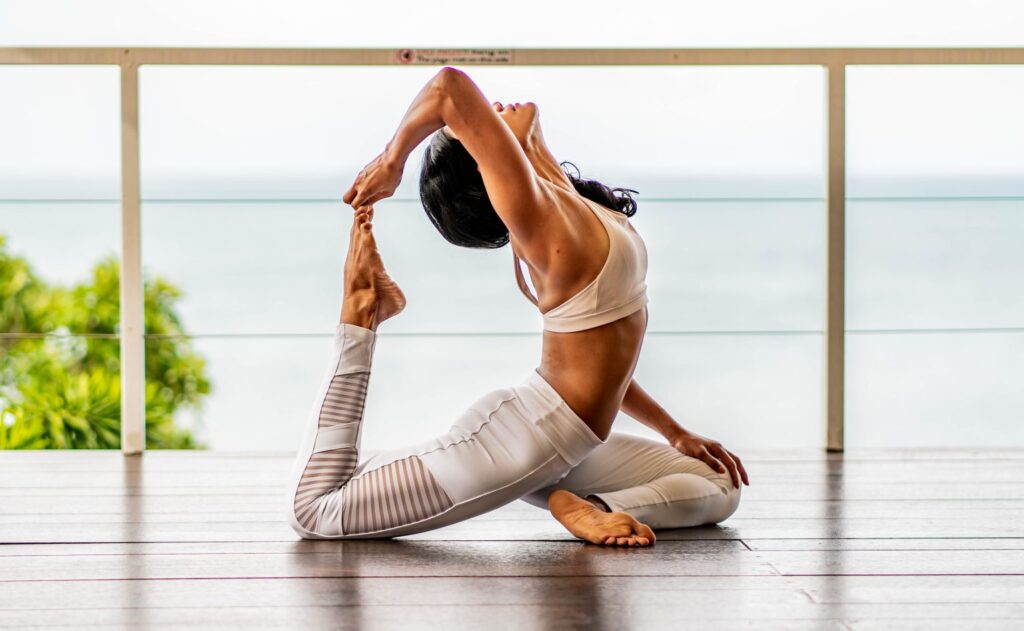
“No, not all, supporting healthy ageing does not mean doing advanced yoga postures. Many people think that flexibility or challenging asanas define good yoga practice, but in reality, yoga is about awareness, breath control, stability, and inner well-being,” said Neetu. According to the expert, elderly people and beginners can receive great benefits from basic movements, gentle stretching, breathing exercises, and relaxation techniques. There are a few common mistakes that elderly beginners or others make that can be avoided with being informed. “Common mistakes elderly beginners make in yoga include forcing difficult poses, skipping warm-ups, not following proper breathing, copying advanced postures, ignoring proper alignment, practising without support, being irregular, expecting quick results, and not listening to their bodies while comparing their progress with others,” shared Neetu.
Youngsters lead the way as yoga gains popularity across ages
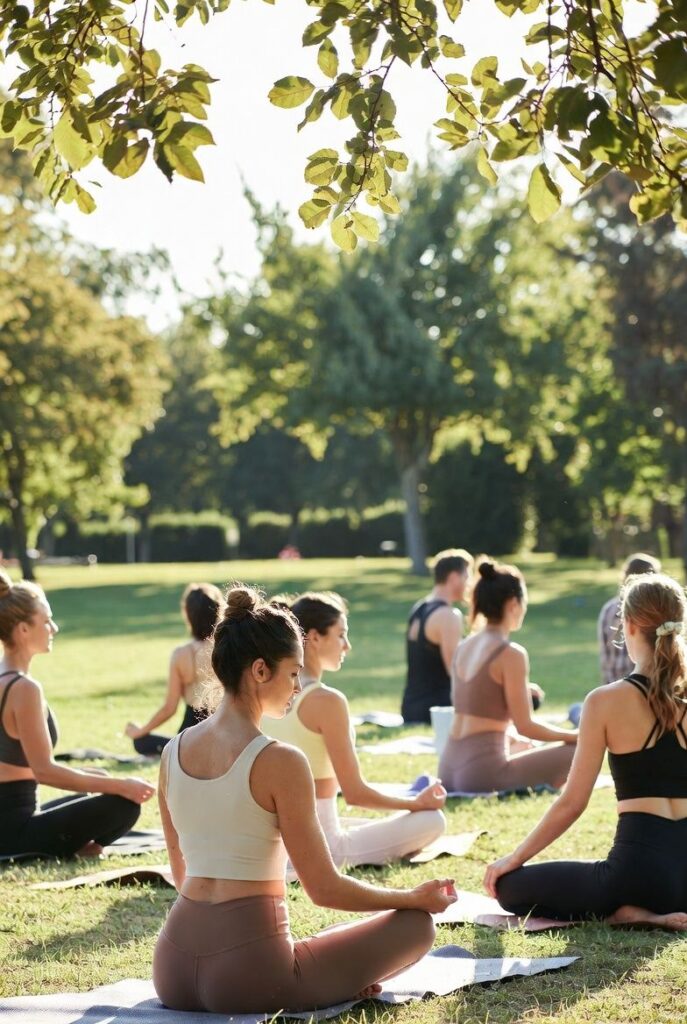
Youngsters have their long-term health in mind and longevity as a primary goal. Yoga has become a muse for a lot of them for the same reasons. “Yoga improves my strength and keeps me calm. The deeper purpose of yoga goes far beyond physical exercise, flexibility, or stress relief, and it totally depends on consistency. It improves my health and breathing both in parallel,” said Rajesh Kumar, a 28 year old from Porvorim. For him Yoga is an integration of body and mind, with physical benefits being one important part of a much larger picture. “Many fitness activities focus primarily on performance or appearance. Yoga often emphasises consistency, self-awareness, and balance. Because it can be adapted to different ages and fitness levels, it is a practice that many people can continue throughout their lives,” said Rajesh.
Though many elderly people who get into yoga initially do it irregularly, over time, they become immersed in the discipline and become consistent. ”I’ve always had an affinity for Yoga, been doing it for 15-20 years. However, never regularly. Unfortunately, it was my diagnosis that led me to make it a regular practise. The main changes I have seen have been my energy levels, which have increased and muscular pains that have improved, allowing me to be more agile in my daily activities. I achieved a sense of calm and purpose in a way” said Reeta.