India is losing the battle to COVID-19 solely due to its unpreparedness. The deaths of 25 persons in a Delhi hospital due to the lack of oxygen is a shocking and unpardonable instance of how unprepared India was for the second wave of the pandemic that everybody was well aware was coming. The experience of Europe of the past months should have alerted India to what was coming, it apparently didn’t. The period between the first wave and the second wave should have been utilised to upgrade the medical facilities. It was not. Parts of the country instead went into election mode, and polls are still on in West Bengal, while across the country people are getting infected by the virus and dying.
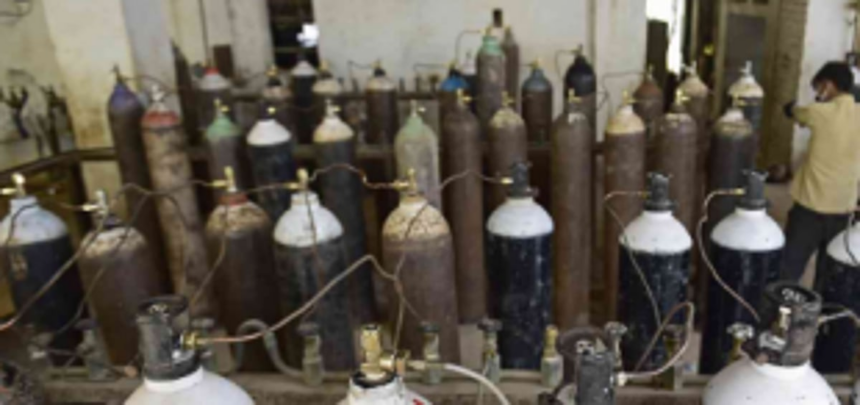
There has been a tragedy in Delhi related to the lack of supply of oxygen, but this is not the only hospital to face a drop in oxygen supply, there are others too. States across the country are facing such a shortage. The glaring evidence of this is the boards outside various hospitals stating oxygen is out of stock. The lack of oxygen for COVID patients is turning into a nightmare at a time when the health services are already swamped with coronavirus cases that they are unable to deal with. From lack of beds, to lack of facilities, to lack of oxygen, the second wave of COVID-19 is engulfing the medical services and exposing the incompetence of the government in handling the situation. The records India is setting are in the number of new cases and deaths in a day.
The moot question is whether it is an actual shortage of oxygen that is causing the crisis or is it the question of logistics that is causing the scarcity. As per available details, India has an over 7000 tonnes production capacity of oxygen per day and the demand earlier from the medical sector was around 10 per cent of that. There is therefore, technically, huge amounts of oxygen stored that just require to be transported to where there is a demand. This is what is causing the lack of oxygen given that the demand for medical oxygen has shot up around 10 times. It is now being moved across the country, but that too takes time and until the movement is streamlined the crisis will continue.
Goa has not been spared and the increasing number of COVID-19 cases led to the State government last week imposing a ban on the supply of oxygen to other States, and also diverting the industrial oxygen requirements to the health sector, specifically the COVID-19 hospitals. A day later the government requisitioned oxynitro plants at industrial estates for the supply of oxygen to meet the demand coming from hospitals. A helping hand came to Goa via Kerala that permitted the movement of 20,000 litres of oxygen for COVID patients in Goa. But at that time Goa’s daily case load was still in three figures, that has now climbed to four figures, increasing the demand for oxygen substantially.
India’s healthcare system has been severely exposed for a second time within a year. There are no beds for them, there is no oxygen either. We have a situation where patients are gasping for breath and are not receiving the high pressure oxygen they need to breathe easy again. At the peak of the first wave, there were 90,000 new cases added a day. Right now, there are 3,00,000 new cases of COVID-19 a day and that is what has brought the pressure on the health services. Relief will come when numbers of new cases begin to drop. Until then the country remains breathless.