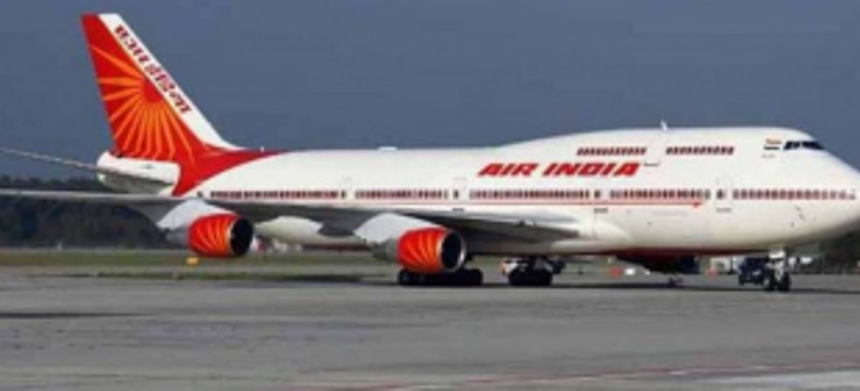
The airline is set to have a new look, a new board and hopefully get back into profit making ways after the string of losses it has suffered. Tata Group had won the tender for control of the airline in October last year, with a Rs 18,000 crore bid, wherein it would pay Rs 2,700 crore cash and takeover Rs 15,300 crore of the airline’s debt. It took control of the airline on January 27, giving a fresh start to the airline that has been suffering losses.
An attempt at disinvestment was made two decades ago in 2001 but it failed and the airline remained with the government. Again in 2017, there was another effort, where the government planned to hold on to 24 per cent of the stake and offload the other 76 per cent, but there was no bid as whoever bought the company would also have to take on the debt portion. The airline has been making losses and reports say that the government has poured into the company Rs 1 lakh crore in just the last decade but it did not bring about a change in the financials of the airline that continued to make losses and accumulate debt. There were only two options before the government – sell the airline or close it down. It chose the former and found a buyer.
Air India was back in the marker last year with new terms – 100 per cent sale of its shares. Whoever won the bid would own the airline outright, but would also have to take on part of the debt. It was only when the government decided to offer the bidder the opportunity to decide how much of the debt they were ready to take on, that interest in the disinvestment bid grew and seven companies showed interest with two reaching the bidding stage. Tata, that won the bid now assume control of Air India, Air India Express and 50 per cent stake in Air India SATS, the ground handling services company.
This has been an emotional acquisition for Tatas as they have regained control of the airline that was founded by them in 1932 and later nationalised. But, emotions aside, Tata now has on its plate a loss-making concern and will have to invest sums larger than what they have paid for it, time and management attention that the airline did not receive during the period it was a public sector unit, if the venture is to be turned profitable. It won’t be easy and it won’t happen overnight. This is a long term venture and will take the company a long time to revive the airline. They have the experience as Tata operates two airlines which are joint ventures with foreign players.
For the Union government the success of the Air India disinvestment will boost its asset monetisation plans that were unveiled last year. The government’s disinvestment plans include PSUs such as BPCL and LIC. Only a few of India’s public sector units are profitable. Disinvestment will substantially reduce the fiscal burden on the government, while making them profitable in the private sector, by taking them out of the ambit of political interference. That perhaps is why several of the PSUs have been wallowing in losses, as they lack the competitive edge that is the characteristic of private enterprise. If disinvestment can change the financials of the public sector units in the country will the success of the Air India deal pilot the asset monetisation plans of the government?