FThe Oscar-winning film RRR’s story, in short, revolves around the rescue of a little girl, Malli, from the Gond tribal community who had been kept as a captive by British General Scott and his wife due to her artistic skills which the First Lady found amazing. The two protagonists who were to fight each other, ultimately fight against their common enemy, the British General, and rescue Malli.
Often addressed as the ‘Rome of the East’, Goa even prior to Liberation was the pearl on the western coast of India and everyone had their eyes on the beautiful landscape. Post-Liberation the State had to decide whether to remain an independent tiny state or merge with a bigger state, not just for political reasons but subtly due to its pristine coast, and lush green low lands which culminated into the mountain ranges of the Western Ghats as one travelled towards the eastern parts of the State. Since Liberation, Goa has witnessed not just political but cultural upheavals, from the advent of the hippies to the now disastrously subsumed domestic tourists who often hand out more trouble than the Goans ever imagined.
Goa’s land is precious to Goans living within the State and those who have migrated for socio-economic reasons. However, with economic constraints on the locals, the State’s land has become the most precious piece of pie on offer to those with money. From being the ‘foreign’ for employment for a huge influx of migrant labour to becoming the second home destination for the wealthy, Goans have begun to feel the pinch. This very reason made Goa Bachao Abhiyan successful in 2006 and the government had to give up on making Goa a concrete jungle by withdrawing the Regional Plan 2011 in January 2007. However, nearly two decades later, the son of the then Chief Minister who had scrapped RP 2011 – the present Town and Country Planning Minister of Goa – has undertaken the task to undo what the previous generation had tried to save.
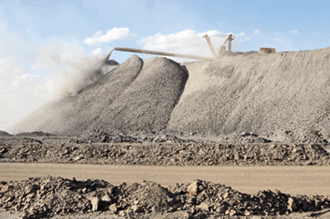
While the available land remains the same, the usage is what will determine the future course of survival for the people of Goa. With rampant and alleged illegal mining, the eastern corridors of the State have become hollow, while the western shores suffer due to a lack of regulations and management of the coasts.
It seems that the TCP Minister feels the Executive is supreme in a democracy and, as per the whims and fancies, changes can be made to the usage of land. The recent announcement, to course correct the land use of six crore square metres of land from ‘no settlement zone’ to ‘settlement zone’ is a massive blow to the identity of Goans. While the layperson in Goa is unable to even purchase a plot for constructing a home, the case of 62,000 sq mts of land reversal in Morjim is a classic case to anticipate what is on offer. The only beneficiaries of such amendments are the real estate sharks and those who wish to mint money at the cost of the locals.
Thus, the colonial and landlord mindset of a few cannot be permitted to run over the present and future of Goa. The protagonists in this real-life situation, the activists and the ‘susegad’ Goans, need to once again rise to the occasion and fight yet another battle to save its most precious treasure – land – from the consequences of destruction that will be unleashed on the State.
The State’s corridors of power, along with the wealthy, are testing the susegad Goan who has always maintained composure. Every single Goan who loves and wishes to save the lands for future generations will have to rise like David against the mighty Goliaths who are riding high on electoral success and have little respect for the laws of this beautiful land. The fight will be to get the government to abandon its plans to reverse the six crore square metres of land to a settlement zone.