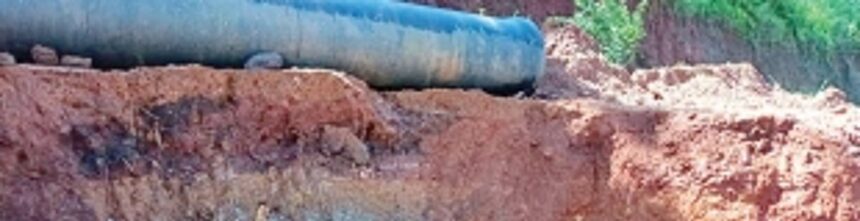
It turned out to be a dry Diwali to parts of Ponda taluka when the water supply pipeline burst on the afternoon of the festival. And whose fault was it? Perhaps we will never know, except for the allegations that are being made at the current time.
The bursting of the main pipeline that supplies water from Opa water treatment plant to Ponda and Tiswadi talukas, for the second time in just over two months, exposes the pathetic condition of the water supply system in the State. Every time the pipeline bursts, and this has now been happening at irregular intervals but almost consistently, parts of the State that are served by these lines go dry for a day or two or more. The current damage to the pipeline affected Marcaim, Bandora, Veling Priol and Curti Khandepar Panchayat, and though water supply was restored, it serves to show that the system is under some stress.
PWD Minister Deepak Pauskar has now said that he would conduct an inquiry into bursting of the pipeline. But how will this help? If the inquiry is meant to pinpoint the reasons for the occurrence and also suggest measures to avoid similar recurrences, then the inqiry would have meaning, but then only if the suggestions were acted upon. Since this does not happen, the announcement of an inquiry only serves to placate the people at the moment at which they are angered for not getting water. From early reports on the reasons for the pipeline burst, it appears that they are same as those when the line was damaged in August. So had action been taken at that time, could the current damage have been avoided?
Did the PWD officials and engineers vist the site of the breach after it was repaired in August? There should have been close monitoring of the pipeline after that time when it ripped open. Residents of the area point out that the contractor engaged in the national highway work did not construct a retaining wall before shifting the pipelines and the excavations have weakened the existing line. The latest breach in the pipeline occurred just opposite to the site where the earlier damage had taken place. Apparently, there have been no lessons learnt, despite the fact that in August parts of the two talukas, including the State capital Panjim, had remained dry for days – some places for almost a week. What purpose then will this inquiry in the latest breach serve? If the minister can state what action was taken against those responsible for the August failure, then perhaps this inquiry will have some meaning. Until then, it remains a placebo to the aggrieved people.
Pipeline bursts are not new to Goa as the Selaulim line has been often breached in the past years leaving South Goa dry. It is only recently that there have been problems associated with the line from Opa with such frequency. According to officials, the pipelines across the State are in good condition. The fractures are mainly due to works being carried out on the highway, which indicates that the issue arises due to a lack of planning and a lack of supervision from the government. A pipeline should have a life of at least half a century, so the breaks in the Selalulim supply system that is some three decades old, raise questions of their quality.
The monsoon has ended, even the cyclone has passed by. Goa now enters the dry season that has another seven months before the skies open up again. An action plan is required to ensure that the PWD utilises this dry period to strengthen the pipelines and ensure that the regularity of their breaking open do not occur again.