About 90 per cent of the beef that is consumed in the State comes from Karnataka and Goa could see a shortage once this bill is implemented in Karnataka. There has been lack of clarity on this, and to be clear and avoid confusion there is no cow slaughter in the State, and Goa was among the first States in the country to have a ban on cow slaughter that exists since the 1970s.
There are actually three different existing laws that protect animals, and in specific the slaughter of cows. The laws are: the Goa Animal Preservation Act, 1955 that permits the slaughter of only those animals that are no longer useful, the Prevention of Cruelty to Animal Act, and The Goa Daman and Diu Prevention of Cow Slaughter Act, 1978 that bans the slaughter of cows. The last act was introduced and passed by the Maharashtrawadi Gomantak Party government. The bovines that in the past have been slaughtered at the Goa Meat Complex, that is today non-functional, comprised bulls and buffaloes.
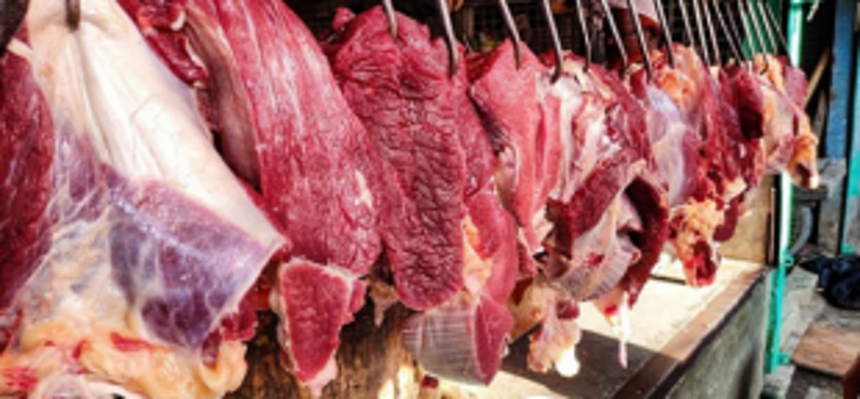
To be even more specific, the beef that is sold in Goa and that Goans consume is buffalo meat or meat of oxen. The cattle heads that are slaughtered at the Goa Meat Complex are buffaloes that are tested by veterinary doctors and cleared for slaughter and for the sale of their meat. There are no cows slaughtered in Goa, nor have there been for the past over four decades and Goa has not been consuming cow meat during the same period as the beef from Karnataka is also not of cows, but of other bovines that are legally slaughtered.
Karnataka’s Bill now changes this scenario. The Bill defines beef as the flesh of any cattle, and cattle is defined as “cow, calf of a cow and bull, bullock and he or she buffalo below the age of thirteen years”. Effectively it aims to ban the slaughter of all cattle, the exemptions being buffaloes above the age of 13 years and certified by a competent authority, cattle used in medical research, cattle certified for slaughter by a veterinarian to prevent spread of a disease, and very sick cattle. This is what will affect the supply of beef to the State and has the traders and consumers worried.
The Quraishi’s Meat Traders’ Association of Goa is planning to meet Goa government representatives next week, seeking their intervention in the matter. This is now a matter for the local government to act upon. Goa has a large beef consumer base that includes tourists who visit the State. It is clear the about 40 per cent of the beef the Goa consumes is in restaurants and hotels mainly among the tourists. According to the Quraishi’s Meat Traders’ Association of Goa, the State requirement is about 15 to 20 tonnes a day, but currently due to the COVID pandemic situation that has led to the closure of hotels and restaurants, the demand is down to 10 to 12 tonnes a day.
Other than the local consumer, the State government will also have to consider the effect on the tourism industry in the State if beef supplies get cut off. It is also time for the goverment to recommence operations at the Goa Meat Complex that has been downed its shutters for years, so that Goa can have its own supply of beef without depending on meat that is sourced from outside the State. no doubt it would still have to procure the cattle heads from across the borders, but when it has its own facility, why is Goa reluctant to reopen the Goa Meat Complex?