The number may appear high to somebody who is learning of this for the first time. Goa in all has 191 village panchayats and this number is about 15 per cent of that total. But for those who have been following this issue for the past few years – yes it has remained pending for a long time – the number is just a paltry figure that needs to be reconsidered if Goa’s ecological balance is to be maintained.
To fully appreciate this, we need to go back in time a little to understand why this is important. The High Level Working Group of the Union Ministry of Environment and Forest on the Western Ghats headed by Dr Kasturirangan Committee had identified an area of 1461 sq kms, covering 99 villages – now 96 because two villages do not exist any longer and one was repeated – in the talukas of Sattari, Sanguem and Canacona as eco-sensitive. The State government had quickly declined to accept that report arguing that the ecologically sensitive areas had been declared by the committee without taking the State and the people into confidence. In 2015, Goa proposed to the Centre the inclusion of 68 villages as ecologically sensitive areas, and five years later in 2020 revised the proposal bringing down the number of villages to 30. Now, the latest proposal has put the number of villages at 26.
The argument proffered by the government for the reduction in number of villages is that it is merely these 26 villages that broadly meet the criteria for the status, the norms being that the maximum height should be 600m above mean sea level with 20 per cent of village area above mean seal level, and that they should be contiguous with the Western Ghats of Maharashtra and Karnataka. The proposal seeking this reduction in the number of villages has been submitted to the Centre, but environmentalists would not agree to this and there is reason for them not to do so, as this is about preserving the existing ecological balance.
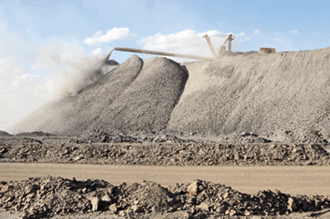
One has to understand that ecologically sensitive areas along the Western Ghats and close to protected wild life sanctuaries would, in addition to boosting environment protection in the State, spell doom to any fresh mining in Goa. Not only is fresh mining prohibited in eco-sensitive areas, but existing activities have to be phased out within five years from the date the villages are notified. Essentially, the decision is between protecting the ecology on the one hand and protecting the interests of the mining companies on the other. Currently Goa is focused on re-starting mining operations, especially in the aftermath of the Supreme Court decision on the petitions that dismissed the government plea to review the February 7, 2018 decision that held second renewals as illegal.
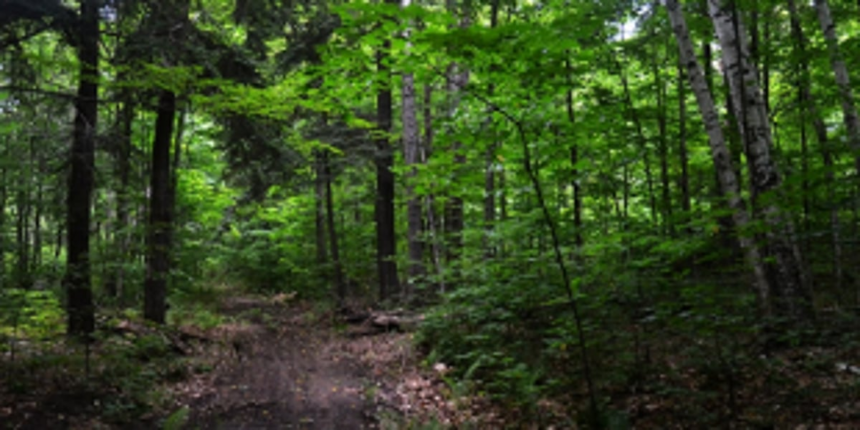
It cannot, however, be an easy decision. Goa needs to weigh the long term ecological losses against the short term monetary gains from mining before embarking on the plans to restart operations. Goa’s small size makes it imperative to protect its green cover and its eco-sensitive areas. Given that Goa has gone to Madhya Pradesh in search of land for compulsory afforestation is a clear indication that the State cannot afford to lose any more of it green cover, that currently stands at 54 per cent of the total land area. Statistically this is far higher than the forest cover of India, but Goa has sensitive zones on its west coast as well as on the eastern border that includes the Western Ghats that need to be protected for posterity.