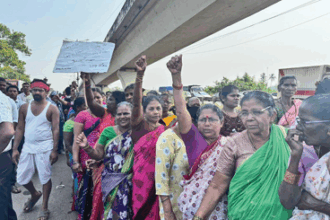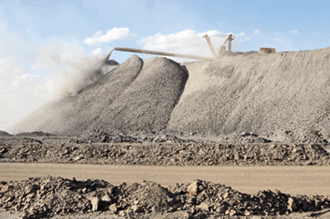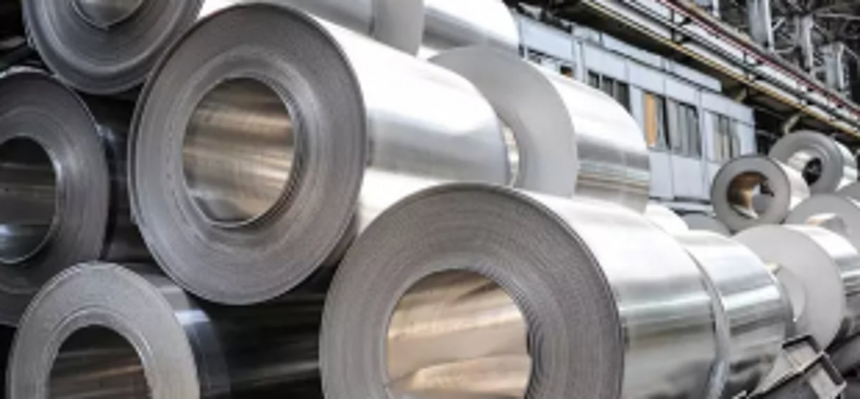
On the call of All India Council of Association of MSMEs (AICA) the Micro, Small and Medium Enterprises (MSMEs) will observe a token one-day closure of all industries across India on December 20. It will also include one-hour peaceful demonstration in front of the respective collectorate/district magistrate office, may be not in Goa, to press for the intervention of Prime Minister Narendra Modi to reduce raw material prices to the level of prices that prevailed in April 2021. With countries like Japan, which hosted the Olympics recently and China cutting down in steel production in their respective countries for environment concerns, the price of steel in the international market went up drastically and many steel producing countries, including India preferred to export than make their product available domestically. Obviously, due to this the price on raw materials skyrocketed making it difficult for small units and MSMEs to sustain themselves economically.
AICA was created by more than 200 MSME Associations covering approximately more than ten lakh MSME industries across India, which happens to the backbone of Indian economy which contributes about 30 per cent of gross domestic product (GDP), 48 per cent of exports and employs nearly over 50 per cent of the working population in manufacturing units. This one-day shutdown, according to AICA, will result in a production loss of Rs 25,000 crore, in addition to loss of employment for many. Major associations of MSMEs will be taking part in this one-day closure and demonstration and MSMEs from other States like Punjab, Haryana, Odisha, Assam, Karnataka (entire Belgaum region), Gujarat, Maharashtra, Karnataka, Tamil Nadu, Andhra Pradesh, Maharashtra, Madhya Pradesh and even our own state Goa are supporting the call of AICA by closing down the operations of their member industries on December 20.
As per the data of MSME Ministry made available on November 26, 2021, India has approximately 6.3 crore MSMEs. The Udyam registration portal registered 5,767,734 MSMEs, replacing the former process of filing for an Udyog Aadhaar Memorandum (UAM). Registered micro-enterprises stood at 5,441,220 (94.34 per cent), followed by small enterprises at 293,555 (5.09 per cent) and midsized enterprises at 32,959 (0.57 per cent). Under the top five state-wise Udyam registrations, Maharashtra recorded maximum number of registrations with 12.18 lakh units, followed by Tamil Nadu (6.23), Gujarat (4.86), Rajasthan (4.68) and Uttar Pradesh (4.45). New online system of MSME/Udyam registration launched by the Union MSME Ministry, with effect from July 01, 2020, successfully registered more than 5.7 million MSMEs until November 2021.
While domestic business requires a strong financial stimulus and support with concessional working capital loans to ensure adequate liquidity is maintained in business operations from the government and financial institutes, they are now hit with the price rise in raw materials. However, this pandemic showed a sharp rise in registration of MSMEs in the country which meant that the ‘job providers’ were doing their job with expectations from the Union government ‘support’. Such strikes do not auger well against the policies and sluggish movements in the Union finance ministry. The Union government has dreamt of doubling the Indian economy to US $5 trillion. In order to achieve this goal, career opportunities for the young population have been generated and MSMEs have the potential to serve as a key employment generator. Surely, the government has taken up promotion of MSMEs in order to create new jobs in the sector to keep the economy flowing and moving. Further, the government aims to enhance MSME’s share in exports and its contribution to GDP. Then why is the MSME sector crying for help?
In order to achieve these targets, the Union government should invest in providing more back-end services to improve performance of the MSME sector as it supplies goods and services to big industrial enterprises. Lack of technology-based production activities and low investment in research and development activities are bottlenecks and impediments, which is hindering the sector to become self-sustained. The Union government needs to subsidise the globally available technology so that the product quality of MSME players can be improved using the existing resources. This also requires the help of academic institutions in the form of providing research and development services for product innovation. Yes, undoubtedly the economics of saving the domestic industry must be put on priority, than mere profit.