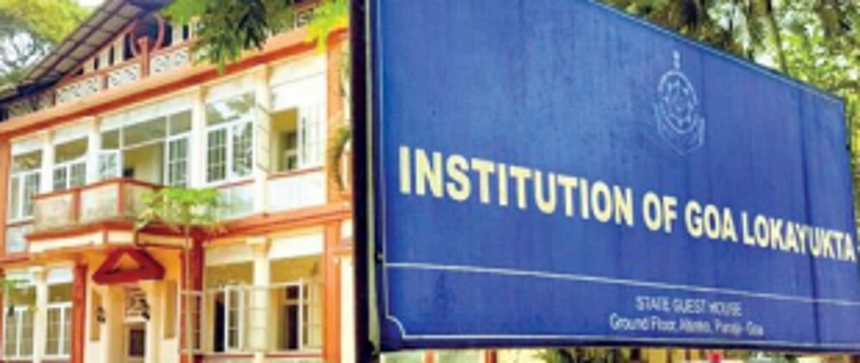
All these are bodies in place to help citizens fight corruption, but are currently not functioning. The social media posts by Chief Minister Dr Pramod Sawant of International Anti-Corruption Day remain meaningless if these institutions that are meant to fight corruption remain toothless tigers. In the past couple of months the State has seen not just the Lokayukta office becoming non functional after the retirement of the Lokayukta Justice PK Misra, but also the Goa State Police Complaints Authority, and the State Information Commissioner.
The Lokayukta retired in early October and two months later there is no replacement for him. Justice Misra, during his term in office had passed various strong reports with directions to the government to take action, but the government had failed to act on any of them. The government’s reasoning is that the reports of the Lokayukta are recommendatory and not binding upon the government. This had led to the Lokayukta even writing a strong letter to the Governor, but there was no change in the stance of the government. The Lokayukta is the ombudsman that can deal with complaints of corruption made by the citizens. When the Lokayukta Act was passed and the first ombudsman appointed, it had come as a relief to the people who had been subjected to various forms of graft, as for them there was now a recourse that they could turn to with their complaints. While they did that and the Lokayukta investigated and filed his reports to the government, the action from the competent authority to act on them has been missing.
On the other hand, the State Police Complaints Authority (SPCA) that had been without a chairman for over two years has now been rendered practically defunct. First its two members proceeded on ‘earned leave’ and then their term ended last month. Besides, though it had continued to function during the two years that it did not have a chairman, the final reports of the authority are still on hold precisely because of the absence of a head. The Police Complaints Authority is meant to take cognizance of allegations of serious misconduct by police personnel and also inquire into allegations of extortion, land/house grabbing or other incidents involving serious abuse of authority.
The Right To Information Act (RTI) is the most effective of weapons that the people have to expose corruption and misdeeds in administration. This has been used extensively by citizens in the past years to bring to light various misdeeds in administration. Many of these misdemeanours would probably have remained unnoticed, had it not been for the RTI Act, but currently the State Information Commission that is the final authority to adjudicate on all cases concerning the act, is also vacant. The government in September had advertised the posts seeking applications from persons to be appointed to the Commission. The advertisement had come more than six months after the chairman had retired and two months after the information commissioners had retired. Till date, the appointments have not been made.
With these three bodies non-functional, how are the people expected to fight the evil of corruption? The fight against corruption will always remain merely statements, no matter which government is in power. For political parties, the promise to end corruption is a great election campaign talking point, but once in power how many parties actually do anything to realise the assurance? These three institutions that are meant to tackle various forms of corruption have to be constituted immediately, if there is to be a semblance of a fight against corruption.