Students in May and June answered the SSC exams. Currently students are answering the Goa Common Entrance Test (GCET). Offices, shops, malls have been opened, so have restaurants. Hotels too have been permitted to now open. The State is ready to welcome tourists again. On July 26, it has called for a public hearing on the Nauxim marina. Why then should the monsoon session of the State Legislative Assembly, that was meant to be for two weeks, be curtailed to just one day?
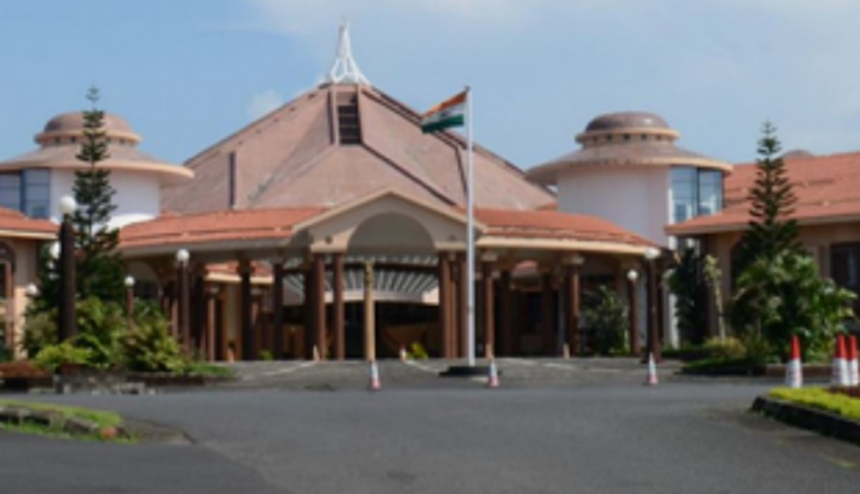
The all-party meeting that had been called by the Speaker to draft the standard operating procedure for the session that has been called from July 27 was unanimous that the number of working days be reduced to just one. The meeting was attended by representatives of the Bharatiya Janata Party, Congress, Goa Forward Party, Maharashtrawadi Gomantak Party, Nationalist Congress Party, who were all in favour of curtailing the session from two weeks to one day. This decision is in view of the rising number of COVID-19 cases and the fact that over a 1,000 persons come under one roof during the session, which would make social distancing difficult. It was also taken after a BJP MLA from Salcete and before a security guard of the Assembly complex tested positive for COVID-19.
As per the Goa Legislative Assembly website the House has had 11 sessions since it March 2017 and the total number of days it has sat has been 72. In 39 months the House has met on 72 days, which actually averages to less than two days a month. How democratic can this be? It’s beginning to appear that the sessions are being held only to meet the Constitutional mandate that there should not be a gap of more than six months between two Assembly sessions.
What will transpire at the Assembly session later this month is that the vote on account will be passed. At the last session, in Februray, the government had presented the Budget and a vote on account had been passed for the government to tide over until the Budget could be debated in detail and passed. The argument of the politicians is that the Budget now has little meaning as the pandemic has changed the entire situation. But there is one point made by the Leader of the Opposition that the government release a white paper on the State’s finances. Such a paper assumes importance as there has been a sharp decline in revenue collection in the State which in three months amounted to Rs 275 cr, with the average of revenue deficit (GST, VAT collections) amounting to 74 per cent, forcing the State to borrow Rs 900 cr.
The revenue deficit is mainly because of the countrywide lockdowns arising from the COvid-19 pandemic. The Assembly would have been the only forum in which the opposition could have sought and got a reply from the government on the State’s finances and on the tackling of the COVID situation in Goa. It is therefore surprising that the opposition that in the past has been demanding special sessions on Mhadei and COVID was agreeable to reducing the session to just one day.
In the current circumstances, there is an array of issues that the opposition would have that it could raise and corner the government. By curtailing the session it has let go of this opportunity. The next session will most likely be in December, that is five months later. Goa elects its legislators with the hope that they will legislate, with the hope that they will take up issues affecting the people. A democracy cannot be vibrant unless the elected members are given the chance to speak in the Legislature.