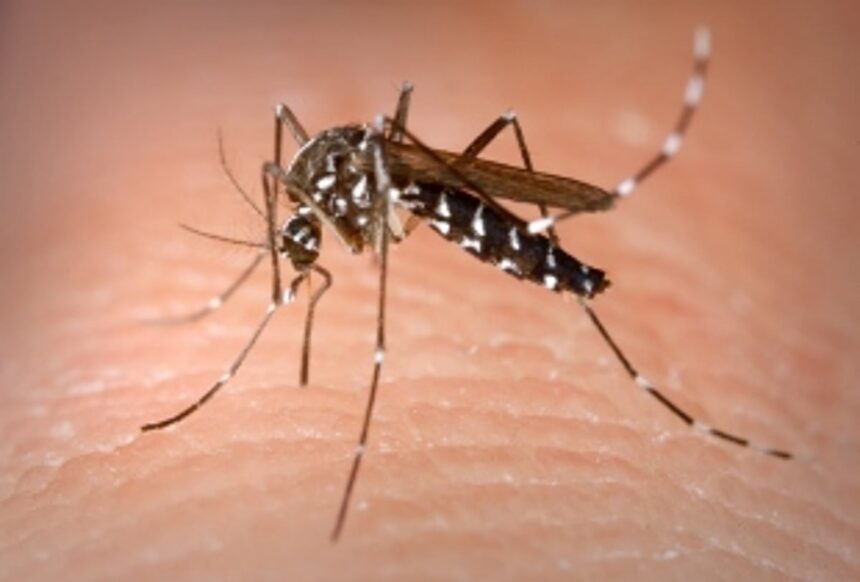
It may not have assumed the proportions of an epidemic yet or even be close to it, but the number of suspected dengue cases in Goa is increasing, and there has already been at least one death. This is a matter of grave concern and the efforts towards controlling the spread of the disease have to be taken up by the authorities before more people fall susceptible to the bite of the mosquito and contract the virus. The suspected cases reported are not just from one area, but spread through towns of the State, which makes it all the more grave, and demanding of attention by the government.
The figures of dengue cases currently prevalent in Goa that we have today can at best be considered as estimates, as they are based solely on patients being treated in government hospitals, and a few private clinics that may have reported their cases to the government authorities. The reporting system from private clinics has to be strengthened, perhaps by way of an online system whereby the clinic can update the government’s system directly reducing the time lapse due to paperwork associated with this. Besides, if the disease is spreading in the State then the authorities have to show more concern and monitor it 24 hours.
It is extremely important that information on dengue cases be released by the authorities as soon as a case is detected in a particular locality so that precautions are taken by other residents in the area. The possibility of six or more cases of dengue from Dona Paula, Panjim indicates that there is a severe infection in that area and unless this information is decimated to the people preventive measures will not be taken by others. Similarly, in Mestawada, Vasco there were seven suspected dengue cases last week. Vasco had just lost a life to dengue and the fear in the town was palpable. It had even led to a protest rally condemning the poor medical services, staff shortage and non-functioning of some facilities at the upgraded Chicalim sub district hospital.
Dengue, a vector-borne disease, is more prevalent during the monsoon, when the rainfall creates breeding grounds for mosquitoes. Goa has just received copious amounts of rain, and is now going through a dry spell, the ideal conditions for mosquitoes to thrive. Currently the authorities rely on fogging in areas to kill the mosquito, but the effectiveness of this is not quantifiable. Instructions by the Health Minister to conduct fogging in mosquito breeding areas, may serve the purpose of reducing the number of mosquitoes. However, if the authorities are serious on eliminating the risk of dengue, then there is much more that needs to be done.
Disseminating information will play a major role in reducing the disease. Information on the disease prevalence is important as the absence of information, instead of curbing the spread of dengue, or instead of people taking immediate action on developing symptoms, would possibly delay the treatment assuming this is a common flu, as the symptoms are almost the same. Monitoring of dengue cases and their prevalence is also important so as to initiate effective control measures once they are detected and before they spread. Early warnings are important as the mosquito breeding sites can also be eliminated.
Goa has to respond to dengue in a fashion similar to how it did to malaria. Waiting for the number of cases at the end of each month is not a pro-active stand taken by the department. There are 50 suspected cases, that is reason enough to be on high alert. Dengue is as debilitating as malaria, and both are transmitted through mosquito bites. The efforts have to be concerted to eliminate the disease.