Was all that necessary? The workers were staging a peaceful protest, highlighting their demands. Did the authorities have to act to them so harshly with them?
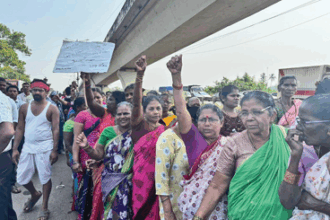
On strike for a week, the anganwadi workers, receiving no response from the government marched to the residence of the Chief Minister, where the attempts of the police force to stop the striking workers, resulted in a scuffle with some of the workers. On a cold December night the workers, mostly ladies, were sitting in protest outside the chief minister’s residence, supported by workers of the political parties. Late night, Congress and TMC members who were standing in solidarity with the anganwadi workers were arrested on the charge that they were instigating the striking group. This brought Leader of the Opposition Digambar Kamat and others to the scene. The Chief Minister had, earlier in the evening, claimed that the demands of the anganwadi workers were met or under consideration following his meeting with the registered union of anganwadi workers and that the union involved in the ‘politicised’ strike was unauthorised. Later in the night, when he met the striking workers around midnight, he said he was open to discussing the issue with them the next morning.
Was it necessary for the workers to sit outside the chief minister’s official residence till late in the night to draw his attention and get him to meet them at around midnight? Yes, the anganwadi workers’ protest has definitely got politicised. Had the Leader of the Opposition not turned up at the spot, would the Chief Minister have met with the workers that night?
The clear fact that gets reiterated from this incident is that the government acts only when people protest. The examples are numerous, but we don’t have to go too far back for such instances. Earlier this month it was the illegal bungalow at Old Goa that got the authorities to issue notices of revocation of construction licence after protests. When the issue had been brought up earlier, the Chief Minister had even feigned ignorance of the issue. In the case of the anganwadi workers, he first said the issue had been settled, before agreeing to meet the workers. A day after the midnight drama, the anganwadi workers were still protesting and waiting for some assurance from the government.
It is becoming apparent from all the past instances that the government machinery needs to improve its handling of strikes, protests and peaceful movements. Last year on December 19, it had detained youth who had gathered at the Panjim Church Square to draw attention to the coal transportation. There are more examples of such detentions – AAP workers were detained in October this year and in September, Youth Congress workers protesting the rise in fuel prices were detained. Are detentions and arrests the only ways to handle a protest?
The law enforcement agencies require a crash course in how to deal with protests. There has to be some amount of negotiation rather than the forcible stoppage of the protest through detentions or arrests. The latter does not inspire confidence in the people and also depicts the government as inept at handling such instances. The government too should send its representatives to meet the people right at the onset of the agitation so that the protest does not prolong. In most cases the government does give in at the end, so why allow the situation to descend to the level where it requires the use of force from the law enforcement authorities? Besides, that use of force is not always justified.