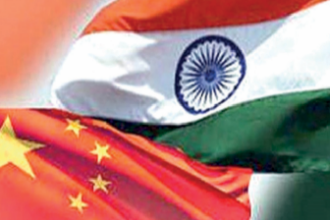
Diwali that is celebrated across the country, was an opportunity for the citizenry to send a message to the country’s neighbours that the people can unite of their own freewill, without any diktat from the government. And so shoppers in Goa, joined the rest of India in boycotting Chinese made products this festive season. Diwali shoppers made it a point to buy fireworks that were made in India and refused to buy those that were made in China. They had not much of a difficulty in searching for the Indian brands as the traders had on display Made in India products for sale, rather than the Chinese imported ones.
In a show of patriotism, to protest China’s support of Pakistan, at a period of time when India-Pakistan relations have been very strained due to the cross border terror attacks, an informal call went out to shun Chinese goods. It appealed to the people who wanted to do something to display their patriotism, and saying no the Chinese firecrackers was one way of doing it. On the day a Pakistan High Commission staffer was detained for espionage in New Delhi, in other cities, towns and villages, people were sifting through their Diwali purchases, looking not at the price on the label but where it had been manufactured.
Vendors and buyers were of the opinion that buying Chinese goods helped the economy of that country to grow and not that of India, so it was a good decision to boycott Chinese firecrackers, some even calling for a complete boycott of all Chinese goods. There was even a concerted attempt made by the Hindu Janajagruti Samiti to go around the State attempting to convince vendors not to keep Chinese fireworks for sale. Given the calls for boycott of Chinese goods, the Confederation of All India Trades had predicted that the sale of Chinese made products could drop by 30 per cent by Diwali. There was also the possibility that the boycott could extend to items not related to the festival.
But Beijing, understandably, wasn’t happy with what was happening in the market places of India and said that any boycott of its goods would have a direct impact on bilateral cooperation and even bring down the quantum of investments from China in India. China was quite clear that its trade with India comprised just 2 per cent of its exports, and said that the main losers would be the Indian consumer who would not have proper substitutes to the Chinese goods. What this meant was that the Indian consumer, by boycotting Chinese goods, would have to make do with inferior quality substitutes. That, however, didn’t faze the Indian buyer who still went ahead and purchased Indian made fireworks, at times paying a little more than they would have paid for a Chinese brand.
But how long will this last? Fireworks and festive purchases are just one component of the purchases the Indian consumer makes throughout the year and various products use Chinese made components. Besides, the business community that has stocked up on Chinese goods or is receiving goods that have been ordered months in advance are unlikely to be willing to make losses. The boycott may have been good for the festive season and sent a message to India’s neighbours, but in the long run economic compulsions will end up ensuring that trade between the two countries continues. It, however, tells us that Indians can be united.