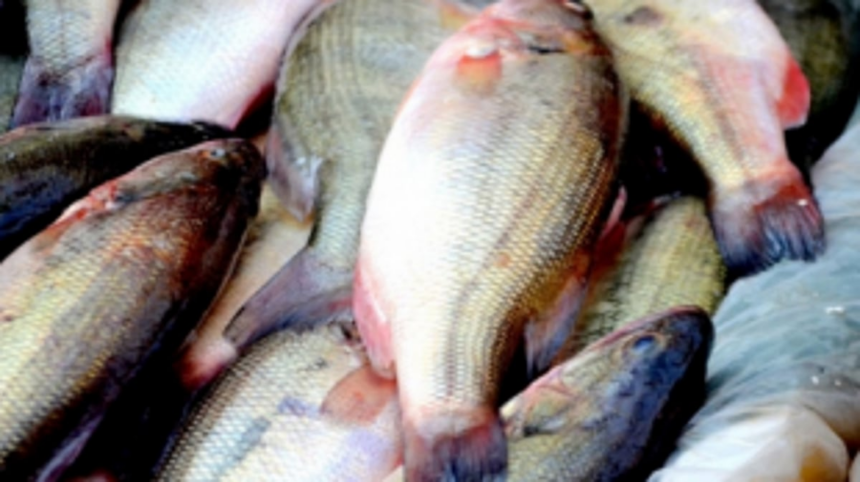
On the face of it, the move to regulate and monitor the fishing sector in the State is welcome. It is required, and should possibly have come years earlier. It is now mandatory for fish traders and vendors across the State to register with the Fisheries Department to carry on their business. What the government has now done is that fish traders, sellers in the market and other places, mobile fish sellers with baskets, sellers on bicycle, sellers with two wheelers, sellers on three wheelers and sellers on four- wheelers have to register. The idea is to have a data base of the sellers, determine from where the traders get their fish during season or when fishing is banned and monitor fish import.
The last part is rather important as two years ago fish imports erupted into a major controversy in the State, when the formalin in fish issue broke. Exactly 24 months later the promised laboratories for formalin testing are still not up and fully equipped, and the random testing that is done is taken to be merely a perfunctory task that does not inspire confidence in the people. If the fishing industry is to be regulated, and it should, it is at the fishing jetties and at the borders from when the fish-laden trucks come that should be monitored. It is here that the fish should be checked for quality and tested for chemical additives in preservation so that the Goan people are assured of safe fish.
There are various issues in the fishing sector that need regulation. There have been complaints that though the government provides subsidies to the trawler owners, which come out of the taxes that the Goan people pay, the benefits in terms of cheaper fish do not percolate to the local consumers. The complaint is that the trawler owners sell their fish outside the State, rather than within it. The retail price of fish varies from market to market and changes on a daily basis depending on the catch. Even on the same day, the price commanded in the market will be different from that quoted by the sellers who go to people’s houses. Regulating this price, if this is what the department also wants to achieve, is going to perhaps be the most difficult of tasks, as the move has not gone down well with the fish sellers who were caught by surprise, and have raised their objections.
How will making the fisherwoman who, with basket on her head goes door-to-door selling fish, register herself help monitor the fishing industry and the price? Surprised fish sellers, for whom this has been a traditional family business for generations, say they have never registered with the government and clearly state that their fish comes from the trawlers during the season and in the off-season they get by selling the smaller variety that is available. Others also state that they have their own canoes and depending on what they catch and yet others depend on the traditional ramponkars for their supply which they then sell.
The fish sellers may allege that this is a way of the government to get them to buy fish from the traders who get their stock from outside the market, that remains to be seen but they have a valid point when they ask how registration will help. That is a question that perplexes the mind. Let the Fisheries Department and all the government authorities concerned with this, first ensure that the fish being brought into the State from outside and sold in the markets is free of formalin and of any other chemical additives that may be used for preservation. If that can be assured and ensured, then the Department can go ahead with the registration of the fish sellers.